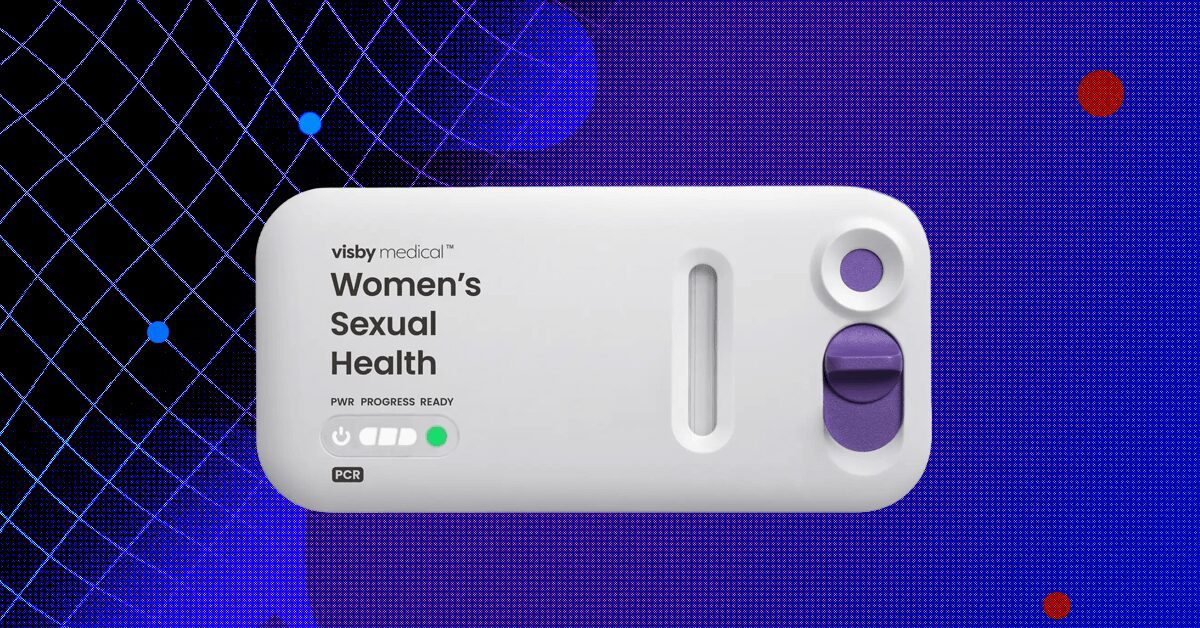
As someone who’s taken an active role in managing my health, I’ve come to realize the importance of regular STI testing. With the rise of at-home testing kits, it’s now easier than ever to take control of my sexual health from the comfort of my own home. But is at-home STI testing right for everyone? In this article, I’ll break down the pros and cons of at-home STI tests, and provide recommendations for those considering this option. At-home STI tests offer a convenient and discreet way to screen for common infections like chlamydia, gonorrhea, and HIV. These tests typically involve collecting a urine sample or throat swab, which is then sent to a lab for analysis. The pros of at-home STI tests include increased accessibility, especially for those living in rural areas or with limited access to healthcare facilities. They’re also a great option for people who feel uncomfortable discussing their sexual history with a healthcare provider. However, there are some cons to consider. At-home STI tests may not be as comprehensive as those offered in a clinical setting, and the accuracy of results can vary depending on the type of test and the lab used. Additionally, at-home tests may not provide the same level of counseling and support as a healthcare provider. So, who should consider at-home STI testing? If you’re sexually active and haven’t been tested recently, an at-home test can be a good starting point. It’s also a good option if you’ve had a new partner or have engaged in high-risk sexual activity. However, if you’re experiencing symptoms or have been diagnosed with an STI in the past, it’s best to consult with a healthcare provider for more comprehensive testing and treatment. In terms of recommendations, look for tests that have been FDA-cleared or approved, and choose a reputable company that provides clear instructions and support. Some popular at-home STI test options include myLAB Box, Everlywell, and STDcheck.com. Ultimately, at-home STI testing can be a convenient and empowering way to take control of your sexual health. While it’s not a replacement for regular healthcare check-ups, it can be a useful tool for those who want to stay on top of their health and wellbeing.
Tags: Array