Austria Joins Global Trend in Banning Social Media for Kids Under 14
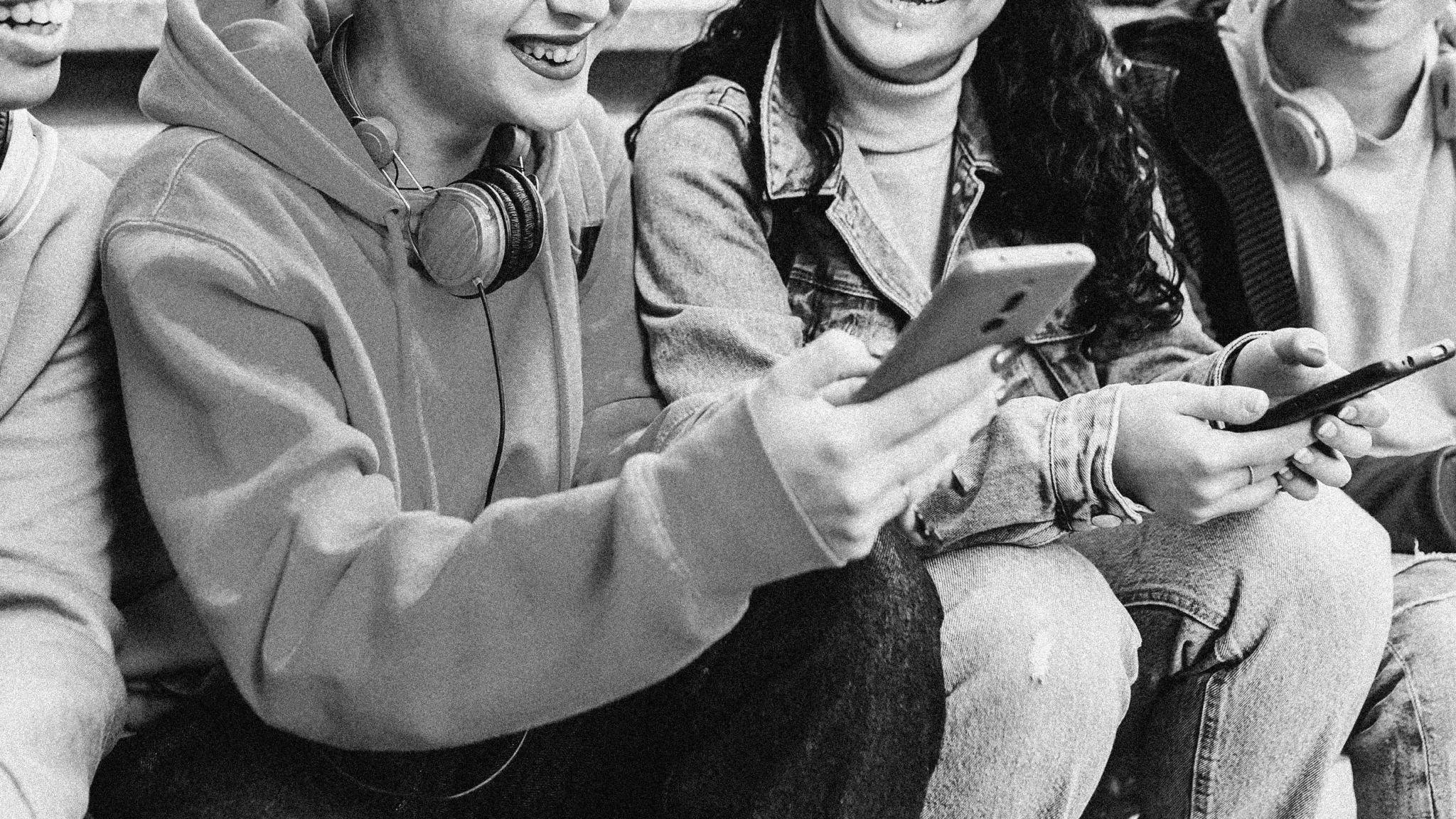
What if your child’s daily scroll through TikTok or Instagram could soon be a thing of the past? Austria’s government has taken a bold step to protect younger generations, announcing plans to ban social media use for children under 14. This move aligns with a growing global movement to limit youth exposure to online platforms, raising critical questions about digital safety and mental health.
Austria’s Plan to Protect Younger Generations
On Friday, Austria’s governing coalition revealed draft legislation to enforce a social media ban for children under 14. The proposal, spearheaded by digitization chief Alexander Pröll, emphasizes privacy-respecting age verification methods. While the exact implementation timeline remains unclear, the government aims to finalize the bill by June. Parliamentary approval will determine when the ban takes effect.
Vice Chancellor Andreas Babler called the decision a “good day for children,” stressing the need to combat the “negative effects” of social media. The plan includes expanding school curricula to teach digital literacy and AI awareness, addressing both prevention and education.
Global Movement Gains Momentum
Austria is not alone. Several nations have already enacted or proposed similar measures:
- Australia banned children under 16 from social media in 2024, citing risks like harmful content and screen addiction.
- Indonesia will enforce a similar rule starting this Saturday.
- France passed a law in January to restrict social media for under-15s, with enforcement set for September.
- Spain and Denmark have announced bans for users under 16 and 15, respectively.
- Britain is reviewing potential age restrictions for teenagers.
These policies reflect a shared concern: social media’s role in fostering addiction, cyberbullying, and exposure to inappropriate content. Governments are increasingly prioritizing youth well-being over corporate interests.
Why Age Verification Matters
Austria’s focus on “technically modern methods” of age verification highlights a key challenge: balancing privacy with enforcement. Traditional methods like ID checks risk exposing minors’ data. The government’s approach—verifying age without compromising privacy—could set a global standard for ethical digital regulation.
What This Means for Parents and Platforms
For parents, these bans signal a shift toward proactive digital safety. For social media companies, they face mounting pressure to redesign platforms for younger users. Critics argue that bans alone aren’t enough, but they represent a crucial first step in rethinking how technology interacts with childhood.
Conclusion: A Call for Global Collaboration
The Austrian social media ban for children under 14 is more than a policy—it’s a statement. As nations unite to protect youth from digital harms, the conversation must expand to include education, mental health resources, and platform accountability. What steps will your country take next? Share your thoughts below.