Autonomous Black Hawk Helicopter: Army’s Future Takes Flight
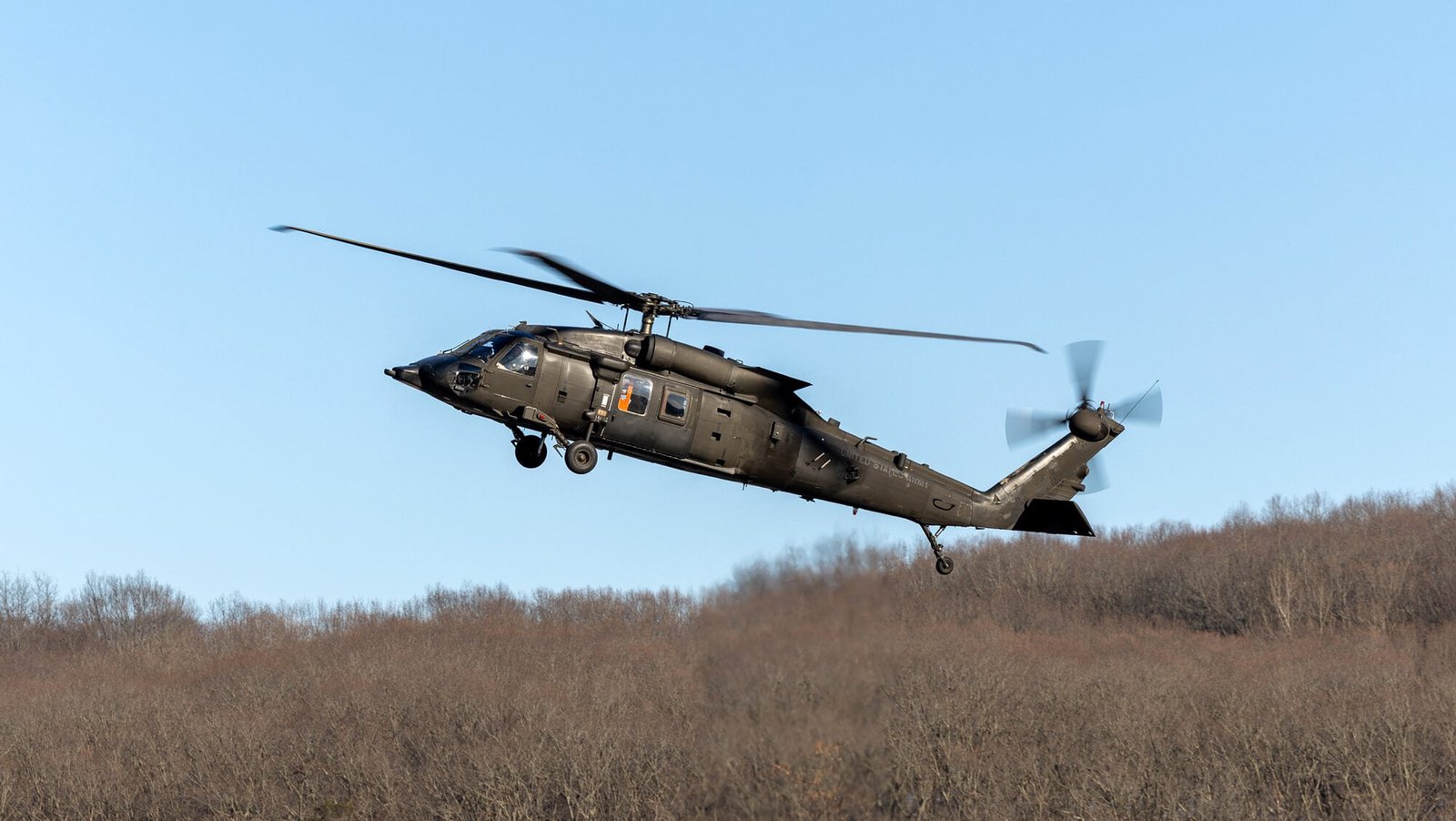
Imagine a helicopter that can fly itself—whether with a pilot onboard or not. The U.S. Army has taken a major step toward this reality with the delivery of its first H-60MX Black Hawk helicopter, equipped with Sikorsky’s MATRIX autonomy suite. This cutting-edge aircraft, part of the DARPA ALIAS program, represents a leap forward in military aviation technology.
What Is the H-60MX Black Hawk?
The H-60MX is not just another Black Hawk. It’s a testbed for autonomous flight, designed to transition seamlessly between manned, optionally piloted, and fully autonomous modes. Delivered to the Army in a recent milestone, this helicopter will undergo rigorous testing by the Army Combat Capabilities Development Command (DEVCOM) to validate its capabilities.
According to Sikorsky, the MATRIX autonomy system at its core has evolved from a developmental concept into a reliable, battle-ready technology. This system enables the H-60MX to perform complex missions with minimal human intervention, enhancing both mission effectiveness and soldier safety.
Why Autonomy Matters for the Army
Autonomous systems like the H-60MX are critical for modern military operations. They reduce pilot workload, allow for missions in high-risk environments, and enable 24/7 operations without fatigue. The Army’s Army Transformation Initiative emphasizes the need for such technologies to stay ahead of global threats.
Key Benefits of the H-60MX
- Enhanced Survivability: Autonomous flight reduces exposure to hostile environments.
- Scalable Autonomy: The technology can be adapted across the Army’s Black Hawk fleet.
- Cost Efficiency: Reduces training and operational costs over time.
The Role of the SAFE Program
The H-60MX serves as the primary testbed for the Army’s Strategic Autonomy Flight Enabler (SAFE) program. This initiative aims to develop a universal autonomy kit compatible with all Black Hawks. The goal is to create a standardized system that can be rapidly deployed across the fleet, ensuring consistency and reliability.
“The Army now has a new tool that furthers its vision to mature pilot-supported autonomy,” said Rich Benton, Sikorsky’s vice president and general manager. “This capability will enhance mission effectiveness and survivability for warfighters today and lay the groundwork for tomorrow’s networked systems.”
From DARPA to Reality: The MATRIX Technology
The H-60MX’s autonomy is powered by Sikorsky’s MATRIX software, developed under DARPA’s Aircrew Labor In-Cockpit Automation System (ALIAS) program. This collaboration began over a decade ago, with MATRIX evolving from a prototype to a robust system ready for military evaluation.
MATRIX enables the helicopter to perform tasks like takeoff, landing, and in-flight navigation without direct pilot input. It also integrates with existing aircraft systems, ensuring compatibility and ease of use. The technology’s success in commercial and military trials has paved the way for its adoption in the H-60MX.
How MATRIX Works
- Sensors: Detect obstacles, weather, and terrain in real time.
- AI Algorithms: Process data to make split-second flight decisions.
- Human-Machine Interface: Allows pilots to monitor and override systems as needed.
The UHawk: A Fully Unmanned Variant
While the H-60MX is a hybrid system, Sikorsky also unveiled the S-70 UHawk—a fully unmanned Black Hawk variant. Unlike the H-60MX, the UHawk lacks a cockpit entirely, designed from the ground up for autonomous operation. This model, funded entirely by Sikorsky, uses the same MATRIX technology to perform missions like resupply or reconnaissance without risking human lives.
The UHawk highlights the versatility of MATRIX, proving that autonomy can be tailored to different operational needs. It also signals a shift toward unmanned systems in military aviation, a trend likely to accelerate in the coming years.
What’s Next for Autonomous Helicopters?
The H-60MX and UHawk are just the beginning. As the Army tests these systems, they’ll gather data to refine autonomy for future missions. Potential applications include disaster relief, medical evacuation, and logistics support—all areas where autonomous flight could save lives and resources.
Meanwhile, competitors like the Air Force and private companies are also investing in autonomous aircraft. The race to develop reliable, scalable autonomy is on, with the Army’s H-60MX setting a high bar for performance and safety.
Conclusion: The Future Is Autonomous
The U.S. Army’s H-60MX Black Hawk helicopter is more than a technological marvel—it’s a glimpse into the future of military aviation. By embracing autonomy, the Army is not only enhancing its operational capabilities but also preparing for a world where human and machine work in perfect harmony.
What do you think about autonomous military aircraft? Share your thoughts in the comments below or explore more about autonomous aircraft and DARPA innovations on our blog.