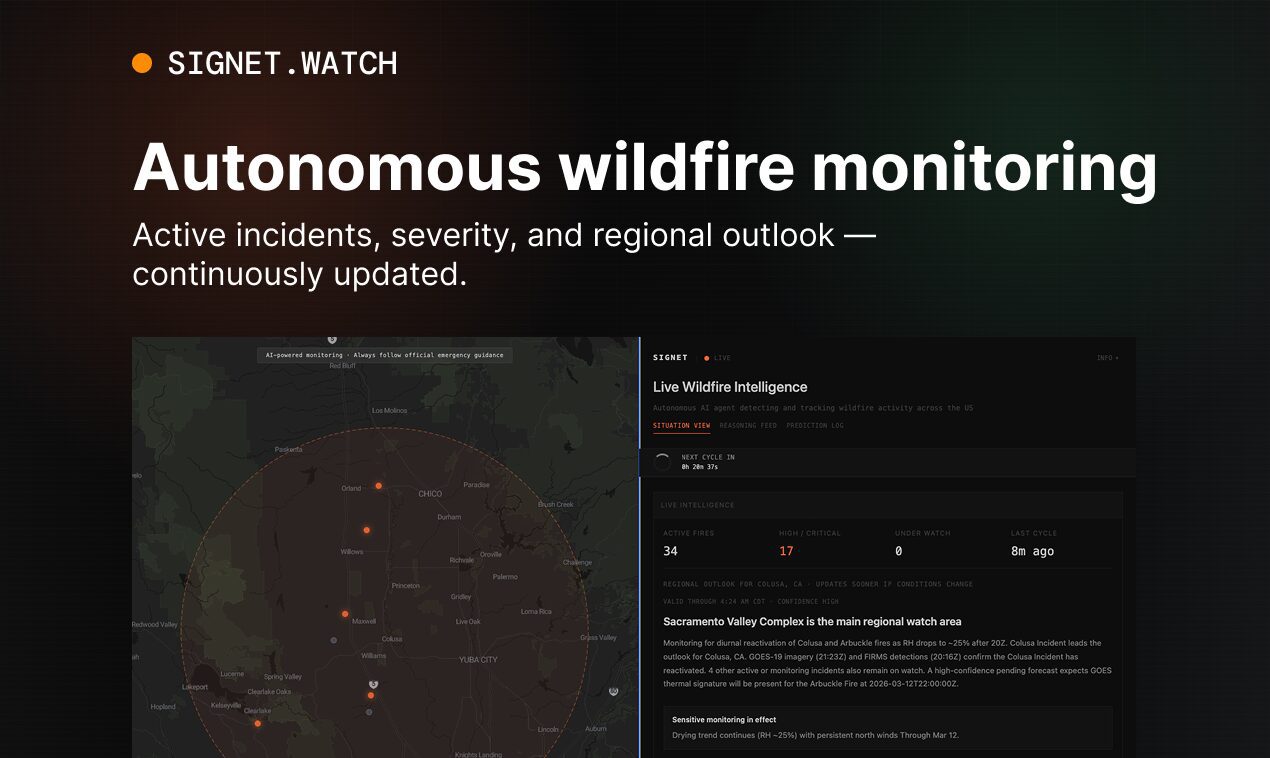
Introduction to Autonomous Wildfire Intelligence
Wildfires have become an increasingly significant threat to communities worldwide, with devastating consequences for the environment, human life, and property. The need for effective and efficient wildfire detection and management systems has never been more pressing. This is where autonomous wildfire intelligence comes into play, leveraging cutting-edge technology to monitor, predict, and prevent wildfires.
What is Autonomous Wildfire Intelligence?
Autonomous wildfire intelligence refers to the use of artificial intelligence (AI) and machine learning (ML) algorithms to analyze data from various sources, such as satellite imagery, weather forecasts, and terrain maps, to detect and predict wildfires. This technology enables real-time monitoring of wildfire activity, allowing for swift response and mitigation strategies.
How Does it Work?
The process begins with the collection of data from multiple sources, including NASA satellite thermal data, NOAA weather and imagery, and public datasets on fuels, terrain, and population exposure. This data is then fed into an AI-powered system, which analyzes it to identify potential wildfire risks and predict fire behavior.
Benefits of Autonomous Wildfire Intelligence
The benefits of autonomous wildfire intelligence are numerous. It enables continuous monitoring of wildfire activity, allowing for early detection and response. This can significantly reduce the risk of wildfires spreading and causing damage. Additionally, autonomous wildfire intelligence can help identify areas of high risk, enabling proactive measures to be taken to prevent wildfires from occurring in the first place.
Real-World Applications
One example of autonomous wildfire intelligence in action is Signet, an autonomous wildfire intelligence agent that monitors the continental US 24/7. Signet combines NASA satellite data, NOAA imagery and weather, fuel models, terrain, and exposure data to track incidents, generate outlooks, and predict fire behavior. Users can sign up for free alerts when notable fire activity is detected near their location.
Conclusion and Future Directions
In conclusion, autonomous wildfire intelligence has the potential to revolutionize fire safety and management. By leveraging AI and ML algorithms to analyze data from various sources, we can detect and predict wildfires more effectively, reducing the risk of damage and loss of life. As this technology continues to evolve, we can expect to see even more innovative applications and solutions emerge.
If you’re interested in learning more about autonomous wildfire intelligence and how it can benefit your community, we encourage you to explore the resources available on our website. Together, we can work towards creating a safer and more resilient future for all.
Frequently Asked Questions
- What is autonomous wildfire intelligence? Autonomous wildfire intelligence refers to the use of AI and ML algorithms to analyze data from various sources to detect and predict wildfires.
- How does autonomous wildfire intelligence work? The process involves collecting data from multiple sources, analyzing it using AI-powered systems, and identifying potential wildfire risks and predicting fire behavior.
- What are the benefits of autonomous wildfire intelligence? The benefits include continuous monitoring of wildfire activity, early detection and response, and identification of areas of high risk.
- What is Signet? Signet is an autonomous wildfire intelligence agent that monitors the continental US 24/7, combining NASA satellite data, NOAA imagery and weather, fuel models, terrain, and exposure data to track incidents, generate outlooks, and predict fire behavior.
- How can I stay informed about autonomous wildfire intelligence? You can sign up for free alerts when notable fire activity is detected near your location and explore the resources available on our website.