
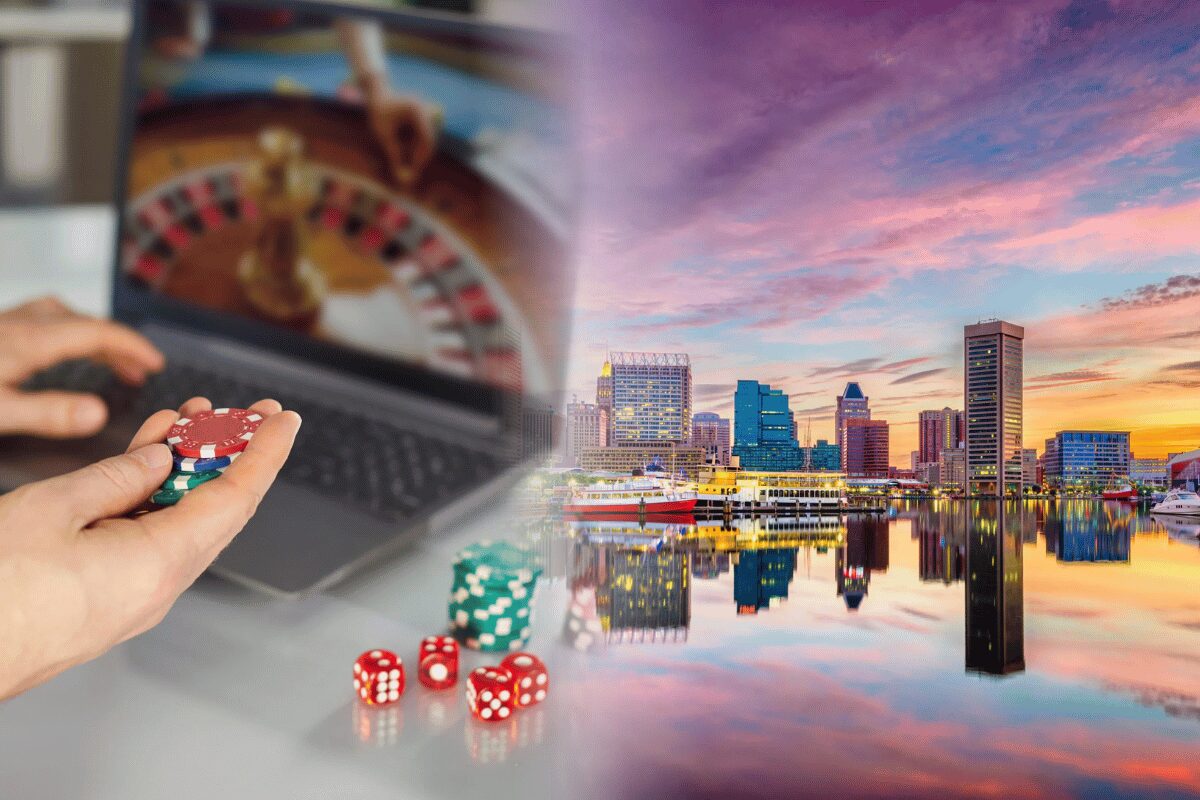
The Legal Battle Unveiled
The City of Baltimore has filed a landmark lawsuit against major social casino platforms, accusing them of operating illegal gambling services. The case targets companies like Chumba Casino, LuckyLand Slots, and Stake.us, alleging they exploit Maryland residents through unregulated online games disguised as harmless entertainment.
Key Accusations in the Complaint
- Platforms offer digital versions of slot machines, blackjack, and roulette—games not permitted under Maryland law.
- “Dual currency” systems let users buy virtual coins for gameplay and earn cash-redeemable sweeps coins, blurring the line between free and real-money gambling.
- Marketing tactics, including influencer partnerships and cartoonish designs, target younger audiences despite lax age verification.
How the Sweepstakes Model Works
Operators use a two-tiered system: users purchase “gold coins” for gameplay and receive “sweeps coins” as bonuses. While gold coins cannot be cashed out, sweeps coins can be redeemed for prizes or cash—a structure regulators argue constitutes illegal gambling.
Regulatory Concerns
Maryland law currently permits only six licensed brick-and-mortar casinos and limited online sports betting. The state has repeatedly warned that real-money online casinos remain illegal, yet these platforms operate without oversight.
Marketing Tactics Under Scrutiny
The lawsuit highlights aggressive advertising strategies, including:
- Social media campaigns with influencers popular among teens and young adults.
- Age-verification loopholes that rely on self-reported birthdates.
- Child-friendly designs mimicking mobile games to attract younger users.
Broader Implications for the Industry
Baltimore’s case joins a growing wave of legal challenges against sweepstakes casinos across the U.S. Similar lawsuits in Alabama and Louisiana reflect regulators’ concerns about unregulated gambling and its impact on youth.
Consumer Risks
Industry critics warn that these platforms lack responsible gaming safeguards, leaving users vulnerable to addiction and financial harm. The American Gaming Association has called for stricter oversight to close legal loopholes.
What’s Next?
Baltimore seeks civil penalties, restitution for affected players, and a court order to shut down operations in the city. The outcome could set a precedent for how states address the legal gray area of online gambling.
Stay informed about the evolving legal landscape of online gaming. Follow ReadWrite for updates on this case and related developments.
FAQs
- What is the focus of the Baltimore social casino lawsuit? The city alleges these platforms operate illegal gambling services by offering casino-style games disguised as sweepstakes.
- How do sweepstakes casinos work? They use a dual-currency system where users buy virtual coins and earn cash-redeemable sweeps coins.
- Are these platforms legal in Maryland? No—real-money online casinos are prohibited, and regulators have issued cease-and-desist orders to similar operators.
- Why are youth a concern? Marketing tactics and lax age verification make these games appealing to minors, raising addiction risks.
- What could happen if the lawsuit succeeds? The city could force companies to pay fines, return profits, and stop operating in Baltimore.








