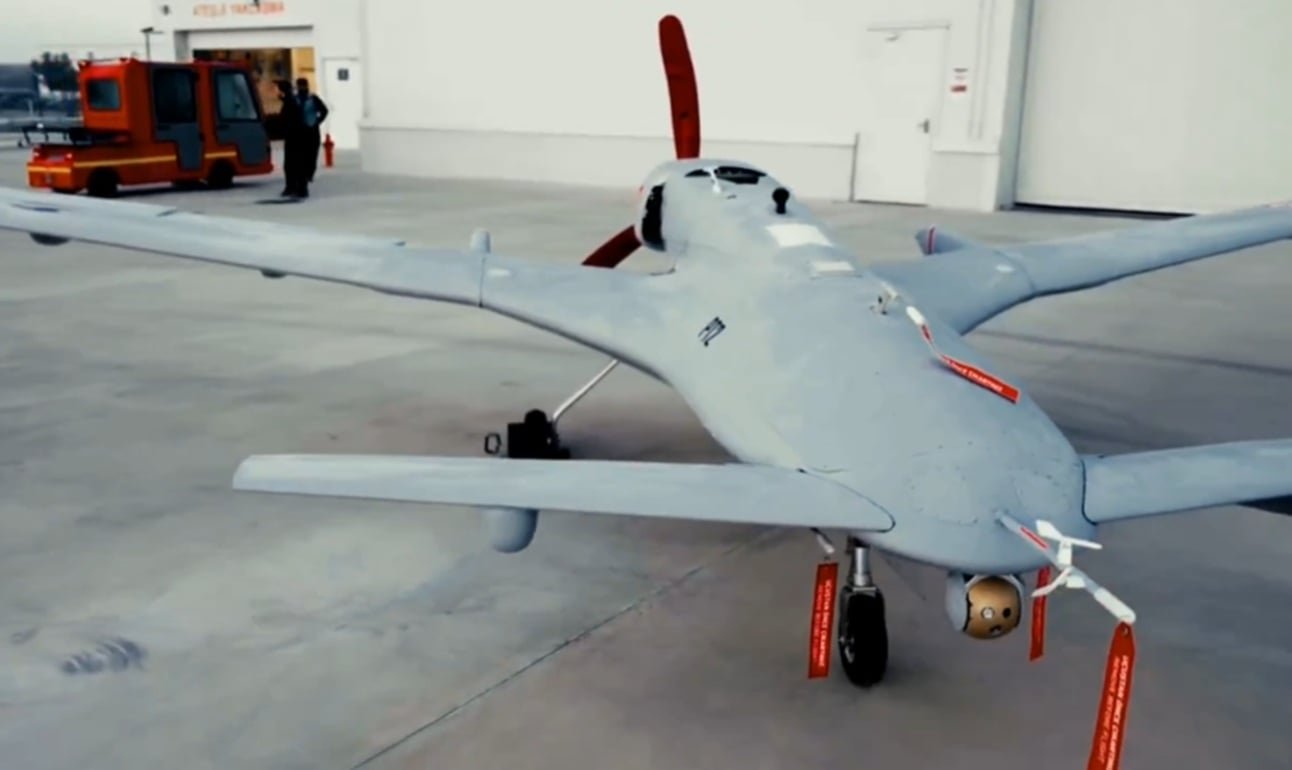
Baykar’s K2 Kamikaze Drone: AI-Powered Warfare Innovation
Imagine a drone that combines artificial intelligence, swarm tactics, and reusable design to redefine modern warfare. Turkish defense company Baykar has unveiled its latest creation—the K2 kamikaze drone—a heavy loitering munition that pushes the boundaries of autonomous military technology. With a 2,000-kilometer range and a 200-kilogram warhead, the K2 is not just another drone; it’s a strategic leap forward in precision strike capabilities.
AI-Driven Precision and Swarm Tactics
The K2 kamikaze drone leverages AI-based navigation and targeting systems to operate autonomously. Unlike traditional drones, it uses computer vision algorithms to identify and engage targets without human intervention. This capability is further amplified by its swarm flight technology, allowing multiple drones to coordinate attacks simultaneously. For example, a swarm of K2s could overwhelm enemy defenses by striking from multiple directions, making it a formidable tool in asymmetric warfare.
Key Features of the K2 Kamikaze Drone
- Extended Range: Operates up to 2,000 kilometers from its launch site.
- Heavy Payload: Carries a 200-kilogram warhead for high-impact strikes.
- Reusable Design: Unlike disposable drones, the K2 can be redeployed multiple times.
- Short Takeoff Capability: Functions from unprepared runways, enhancing operational flexibility.
Strategic Advantages of the K2
The K2’s reusability and AI-driven autonomy offer significant cost and logistical benefits. Traditional one-way attack drones are often single-use, but the K2’s design reduces long-term expenses. Its ability to operate from short runways also makes it ideal for rapid deployment in remote or contested areas. For instance, military units could launch K2s from forward bases without requiring extensive infrastructure.
Comparative Edge Over Competitors
While other nations develop similar systems, the K2 stands out with its combination of range, payload, and reusability. Most loitering munitions are designed for single missions, but Baykar’s approach emphasizes sustainability. This aligns with global trends in defense technology, where cost-effectiveness and adaptability are critical.
Impact on Modern Warfare
The K2’s introduction reflects a broader shift toward AI-integrated military platforms. Conflicts like the Russia-Ukraine war have demonstrated how swarms of loitering drones can disrupt air defenses and target high-value assets. The K2’s swarm capability could amplify this effect, forcing adversaries to invest in advanced counter-drone systems.
Challenges and Countermeasures
As loitering drones proliferate, so do defensive strategies. Nations are developing layered air defense systems to detect and neutralize swarms. However, the K2’s AI-driven targeting and autonomous flight may complicate interception efforts, creating a new arms race in drone warfare.
The Future of Drone Technology
The K2 kamikaze drone is more than a weapon—it’s a blueprint for next-generation military systems. Its success could inspire innovations in AI-guided munitions, reusable platforms, and swarm coordination. For defense analysts, the K2 underscores the importance of adapting to AI-driven threats while investing in countermeasures.
As Baykar continues refining the K2, its impact on global defense strategies will grow. Whether you’re a military professional or a tech enthusiast, the K2 represents a pivotal moment in the evolution of autonomous warfare. Stay tuned for updates on how this technology reshapes the battlefield.