How Biological Computing Works
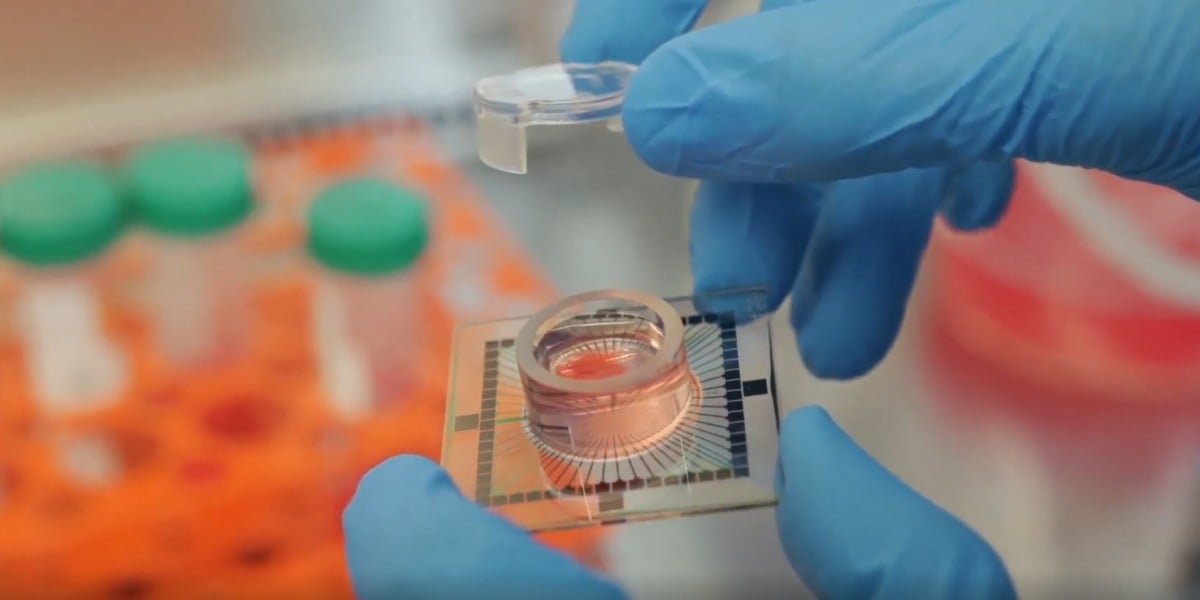
At Cortical Labs’ Melbourne datacenter, the day begins with a task few would expect: topping up cerebrospinal fluid. This liquid, modeled after the human brain’s natural environment, sustains living neurons that power biological computers. Technicians replace the fluid every 24 hours to replenish oxygen and glucose, which the neurons consume as they process tasks.
A Gassy, Messy Process
Adjusting gas mixtures is equally critical. Nitrogen and carbon dioxide are added to maintain a 5% oxygen atmosphere—ideal for biological computing. Unlike traditional servers, these systems require hands-on care, blending biology with technology in a way that feels more lab than datacenter.
Why Biological Computing Matters
Hon Weng Chong, CEO of Cortical Labs, argues that biological computers outperform classical systems in three key areas:
- Speed: Neurons learn faster in simulated environments.
- Originality: They generate novel solutions instead of rehashing data like AI models.
- Energy Efficiency: These systems use less power than conventional datacenters.
Challenges and Opportunities
Despite its promise, biological computing faces hurdles. Few organizations can source or manage living cells, and automation remains a distant goal. Cortical Labs is addressing this by launching a cloud service, allowing users to rent CL1 units via an API. However, preparation takes weeks—cells must be sourced, and environments tailored for each task.
The Rise of Biological Cloud Services
Cortical Labs’ cloud offering targets two groups: scientific labs lacking infrastructure and businesses exploring unconventional computing. Early adopters include Australian banks experimenting with quantum tech. The CEO envisions a future where automation streamlines the messy setup process, but for now, human intervention remains essential.
Real-World Applications
Biological computing has already achieved milestones. In 2022, researchers demonstrated neurons learning to play Pong. Cortical Labs refined this into the CL1, a commercial device now in use. Future applications could range from drug discovery to complex simulations, leveraging the unique adaptability of biological systems.
What’s Next for Biological Computing?
Chong acknowledges the technology’s infancy but remains optimistic. As cell foundries emerge to support the industry, biological computing could become mainstream. For now, the focus is on refining the CL1 and proving its value in experimental settings. The Register highlights this as a pivotal moment in tech history—where biology and cloud computing collide.
Final Thoughts
Biological computing is messy, gassy, and far from perfect. Yet, its potential to revolutionize cloud tech is undeniable. As Cortical Labs and others push boundaries, we may soon see a world where datacenters run on living neurons. Ready to explore this frontier? Dive deeper into the science behind it all.