BlackRock’s $33B Bet on Electricity Demand Explained
In a bold move reshaping global energy markets, BlackRock’s Global Infrastructure Partners (GIP) and EQT have announced a $33 billion investment in electricity demand infrastructure. This strategic bet signals a seismic shift in how investors view energy transitions—and highlights why electricity is becoming the backbone of modern economies.
What is BlackRock’s $33B Electricity Investment?
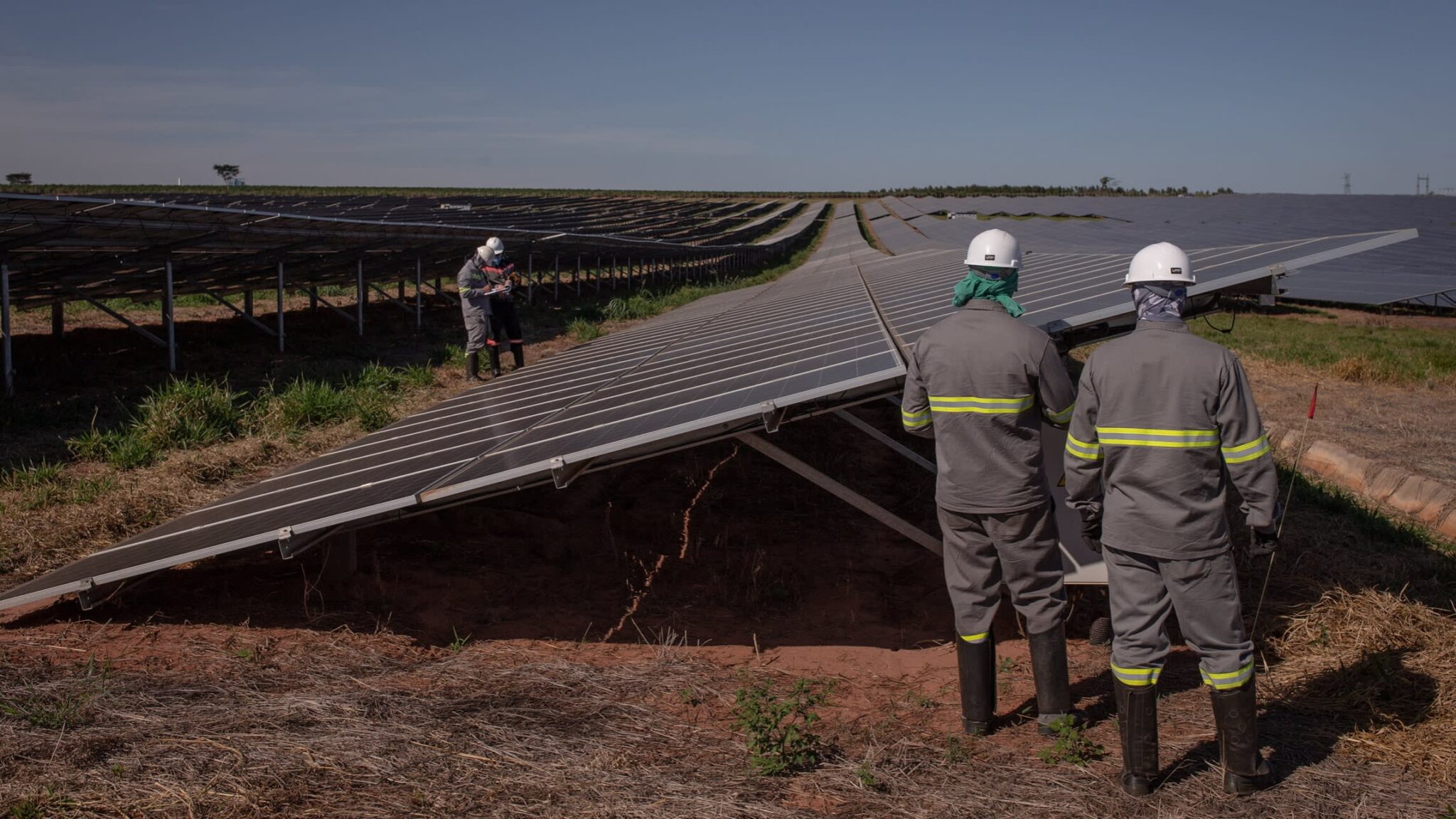
The partnership targets renewable energy projects, grid modernization, and energy storage solutions across North America and Europe. By leveraging BlackRock’s financial expertise and EQT’s operational experience, the fund aims to capitalize on surging electricity demand driven by decarbonization and digitalization.
Key Details of the Investment
- Focus Areas: Solar, wind, battery storage, and smart grid technologies.
- Geographic Scope: U.S., Canada, and EU markets with high renewable potential.
- Timeline: Initial projects to launch within 18 months.
Strategic Rationale
BlackRock’s investment aligns with global net-zero goals, which require tripling clean energy capacity by 2030. The fund also taps into growing corporate demand for green power, with tech giants like Google and Amazon committing to 100% renewable energy.
Why Electricity Demand is on the Rise
Electricity consumption is projected to grow 60% by 2040, driven by electrification of transport, AI data centers, and industrial automation. This surge creates opportunities for investors willing to back scalable infrastructure.
Global Energy Transition
Nations like Germany and the U.S. are phasing out coal and nuclear plants, creating a vacuum for renewables. BlackRock’s fund will help bridge this gap while reducing carbon footprints.
Technological Advancements
Advances in battery storage and AI-driven grid management are making clean energy more reliable. BlackRock’s investment supports these innovations, ensuring stable power supply amid climate challenges.
Implications for Investors and the Market
This $33B move could accelerate energy equity valuations and drive down renewable energy costs. However, risks like regulatory shifts and supply chain bottlenecks remain.
Market Impact
- Boosts demand for solar panel manufacturers and wind turbine suppliers.
- Creates jobs in construction and maintenance sectors.
- Encourages policy reforms to streamline energy project approvals.
Risks and Opportunities
While climate policies offer long-term stability, short-term volatility from geopolitical tensions (e.g., Ukraine-Russia energy disputes) could disrupt supply chains. Diversified portfolios remain critical.
Conclusion: The Future of Energy is Electric
BlackRock’s electricity investment underscores a clear trend: clean energy is no longer a niche market. For investors, this signals a chance to align profits with planetary health. Stay informed about energy transitions by subscribing to our newsletter.
FAQs
- What is BlackRock’s electricity investment strategy? The fund focuses on renewable infrastructure and grid upgrades to meet rising demand.
- How does this affect traditional energy stocks? Fossil fuel equities may face downward pressure as renewables gain market share.
- What are the environmental benefits? The investment could reduce CO2 emissions by 150 million tons annually by 2030.
- Can small investors participate? Indirectly, through ESG-focused mutual funds or ETFs tracking energy transition stocks.
- What regions will see the most growth? The U.S. and EU, due to strong policy support and existing infrastructure.