
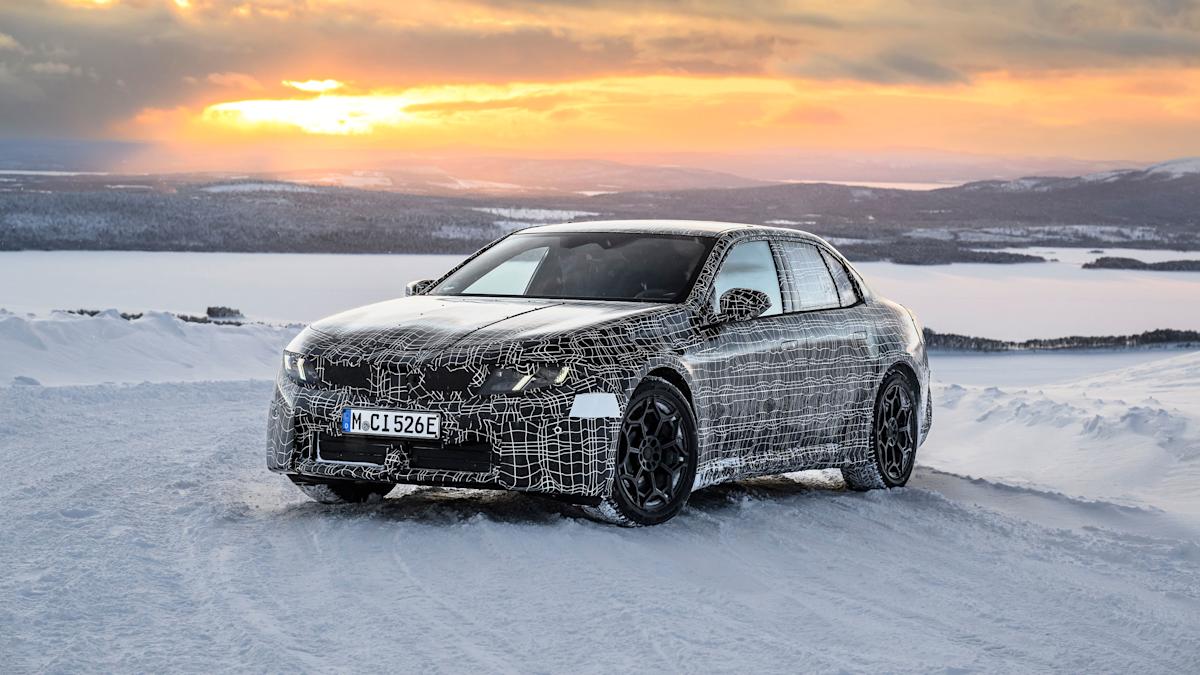
BMW i3: The Future of Electric Driving
Electric vehicles (EVs) must excel in performance, affordability, and design to thrive in today’s competitive market. BMW’s new i3 sedan aims to do just that. After testing a prototype in Sweden’s icy conditions, it’s clear this EV is poised to redefine what drivers expect from electric sedans.
The Evolution of the BMW i3
BMW isn’t new to the EV game. The original i3 hatchback debuted in 2013, earning praise for its innovation but falling short of mass-market success. Now, the company has reset the i3 name to align with its modern naming strategy. The new i3 is an electric sedan built on the Neue Klasse platform, the same architecture underpinning the iX3 SUV. This platform represents a complete overhaul of BMW’s EV technology.
Neue Klasse: A New Era for BMW
The Neue Klasse platform introduces groundbreaking features:
- Advanced Battery Tech: A cell-to-pack design increases capacity while reducing weight.
- Integrated Electronics: Qualcomm-powered systems unify safety, performance, and user experience.
- Revamped Design: A bold, futuristic aesthetic that sparks debate but commands attention.
These innovations position the i3 as a serious contender in the EV space.
Heart of Joy: Smarter, Safer Driving
BMW’s “Heart of Joy” system is the i3’s technological crown jewel. By consolidating critical functions—like ABS, traction control, and motor control—into fewer, more powerful chips, the i3 delivers seamless performance. During my test drive on Swedish ice, this system proved its mettle.
Braking and Handling on Ice
On glare ice, the i3’s dual-motor AWD system (463 hp, 476 lb-ft torque) showcased its prowess. Recuperative braking minimized reliance on physical brakes, ensuring smooth stops. Even clumsy drivers could navigate tight turns without drama, thanks to intelligent torque distribution.
Fun Meets Function
Disabling stability controls transformed the i3 into a drift-friendly machine. The system’s safety net prevented spins while preserving the thrill of manual control. This balance of fun and reliability is rare in EVs.
Panoramic Vision: A Glimpse into Tomorrow
The i3’s Panoramic Vision display replaces traditional gauges with a massive windshield-mounted screen. Initially daunting, it’s surprisingly intuitive. Customizable panels let drivers prioritize data like speed, music, or voice assistant prompts. While the central touchscreen leans left, the overall interface feels futuristic yet functional.
What’s Next for the BMW i3?
BMW will reveal full details on March 18, including pricing and final design. If the company nails the balance between cost and features, the i3 could become a global EV leader. Its blend of performance, tech, and style sets a high bar for competitors.
Conclusion: A Promising Electric Future
The BMW i3 isn’t just an EV—it’s a statement. With its Neue Klasse platform, Heart of Joy system, and Panoramic Vision display, it’s ready to challenge the status quo. Stay tuned for March 18 to see if this electric sedan can deliver on its bold promise.
FAQs
1. What makes the BMW i3 stand out in the EV market?
The i3 combines cutting-edge tech like the Neue Klasse platform and “Heart of Joy” system with bold design and all-wheel-drive performance.
2. How does the i3 handle icy conditions?
Its dual-motor AWD system and smart braking tech ensure stability and control, even on glare ice.
3. What’s the significance of the Panoramic Vision display?
This windshield-mounted screen replaces traditional gauges, offering customizable data in a futuristic, driver-friendly format.
4. When will the BMW i3 launch?
Official details, including pricing and design, will be revealed on March 18.
5. Is the i3 a successor to the 2013 model?
Yes, but it’s a complete redesign built on modern EV architecture, with no direct ties to the original i3 hatchback.








