
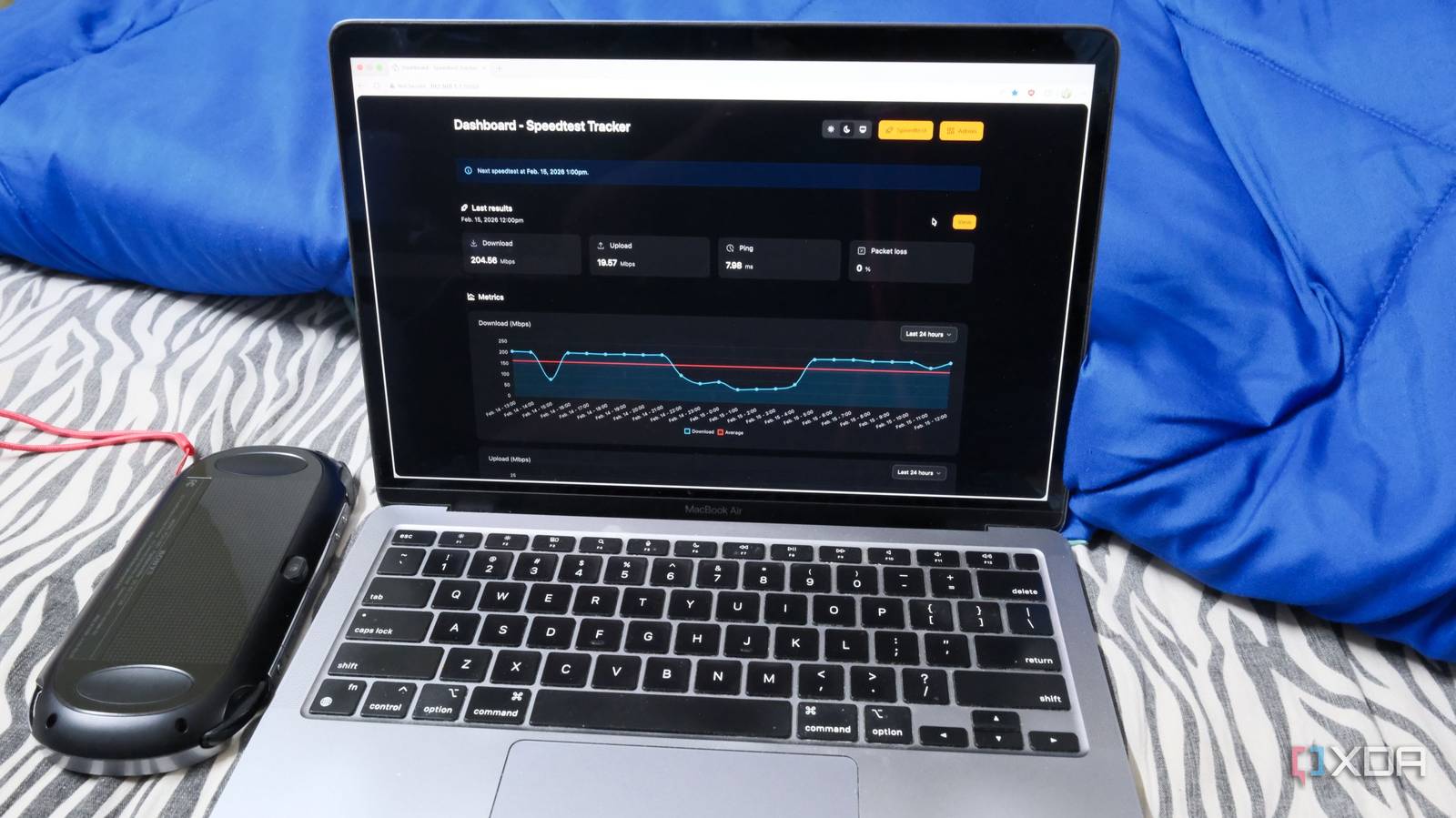
Introduction to Self-Hosted Speed Trackers
Monitoring your internet’s performance is crucial for ensuring you get the speeds you pay for. A self-hosted speed tracker can be a valuable tool in this endeavor. For instance, it can help identify bottlenecks in your network and provide insights into your internet service provider’s (ISP) performance.
Meanwhile, choosing the right tracker can be daunting, given the numerous options available. Therefore, it’s essential to consider factors such as ease of use, compatibility, and the type of data it can track.
Benefits of Using a Self-Hosted Speed Tracker
Additionally, a self-hosted tracker offers several benefits, including real-time monitoring and detailed graphs of your internet’s performance. However, one of the most significant advantages is the ability to track your network’s performance without relying on third-party services.
For example, you can use this data to optimize your network for better performance, thereby enhancing your overall browsing experience. Furthermore, having control over your data ensures that it doesn’t fall into the wrong hands.
Key Features to Look for in a Self-Hosted Tracker
When selecting a self-hosted speed tracker, there are several key features to consider. Firstly, it should be able to monitor your internet’s upload and download speeds. Secondly, it should provide detailed graphs and statistics on your network’s performance.
Moreover, the tracker should be easy to set up and use, even for those who are not tech-savvy. Finally, it should be compatible with your device and operating system.
How to Choose the Right Self-Hosted Tracker for Your Needs
Choosing the right self-hosted tracker can be a challenging task, given the numerous options available. However, by considering your specific needs and requirements, you can make an informed decision. For instance, if you’re looking for a tracker that can monitor your network’s performance in real-time, you should look for one that offers this feature.
Meanwhile, if you’re concerned about data privacy, you should opt for a tracker that stores your data locally. Additionally, you should consider the tracker’s compatibility with your device and operating system.
Top Self-Hosted Trackers for Monitoring Internet Speed
There are several self-hosted trackers available that can help you monitor your internet speed. Some of the top options include:
- NetData: A real-time monitoring tool that provides detailed graphs and statistics on your network’s performance.
- CollectD: A system statistics collection daemon that can monitor your network’s performance and provide insights into your ISP’s performance.
- Prometheus: A monitoring system and time series database that can help you track your network’s performance and identify bottlenecks.
Finally, when choosing a self-hosted tracker, it’s essential to consider your specific needs and requirements. By doing so, you can ensure that you get the most out of your tracker and optimize your network for better performance.
Conclusion
In conclusion, a self-hosted speed tracker can be a valuable tool for monitoring your internet’s performance and optimizing your network for better speeds. By considering your specific needs and requirements, you can choose the right tracker for your needs and ensure that you get the most out of your internet connection.
Therefore, if you’re looking to boost your internet speed and take control of your network’s performance, consider investing in a self-hosted speed tracker today.
Frequently Asked Questions
Here are some frequently asked questions about self-hosted speed trackers:
- What is a self-hosted speed tracker? A self-hosted speed tracker is a tool that allows you to monitor your internet’s performance and track your network’s speeds without relying on third-party services.
- How do I choose the right self-hosted tracker for my needs? When choosing a self-hosted tracker, consider your specific needs and requirements, such as the type of data you want to track and the device you’re using.
- What are the benefits of using a self-hosted speed tracker? The benefits of using a self-hosted speed tracker include real-time monitoring, detailed graphs and statistics, and the ability to track your network’s performance without relying on third-party services.
- Can I use a self-hosted tracker to monitor my ISP’s performance? Yes, a self-hosted tracker can help you monitor your ISP’s performance and identify bottlenecks in your network.
- Is it difficult to set up a self-hosted tracker? The difficulty of setting up a self-hosted tracker depends on the specific tool you’re using. However, most trackers are easy to set up and use, even for those who are not tech-savvy.








