BSOD at Microsoft Conference: A Tech Joke or Security Warning?
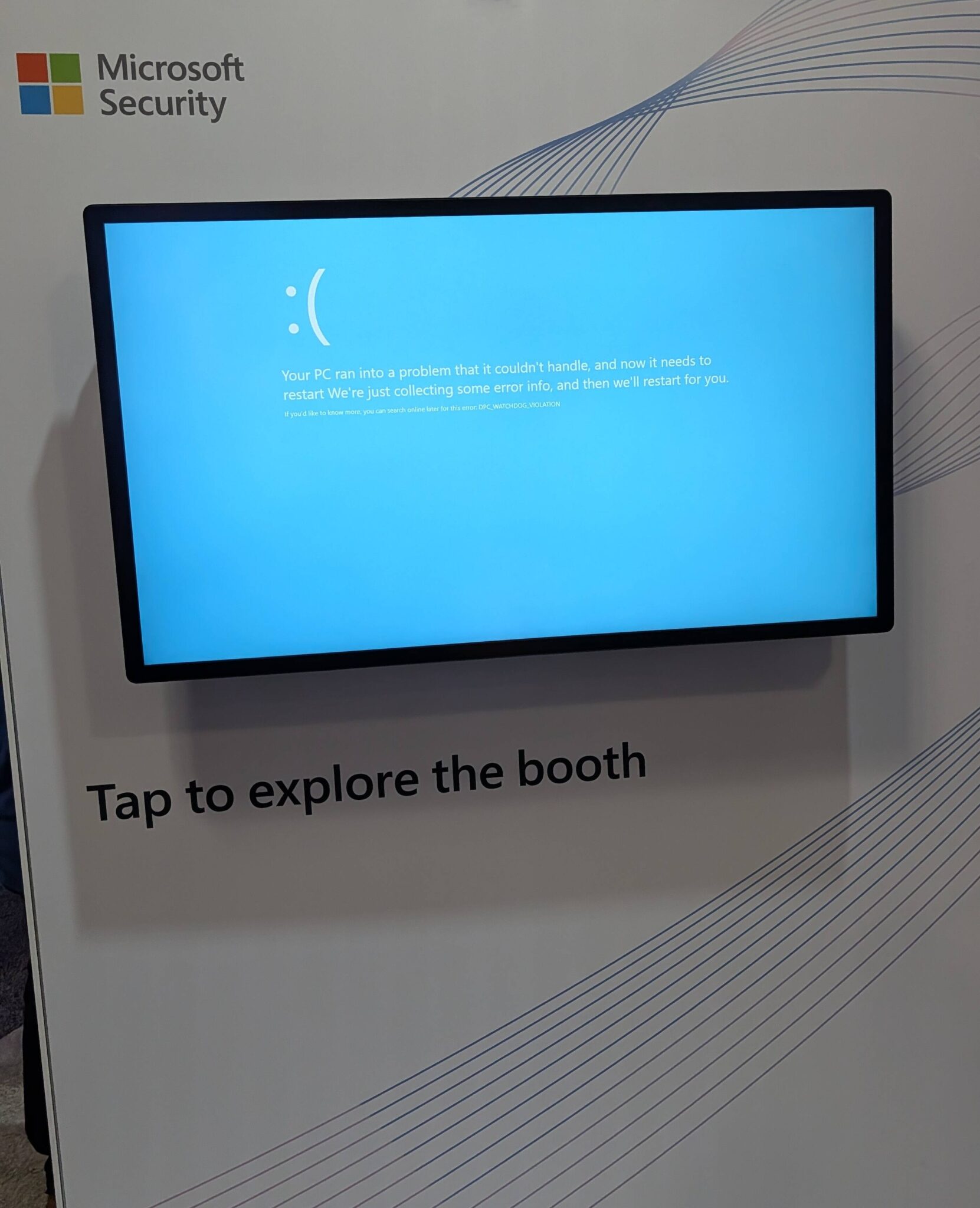
Imagine walking past Microsoft’s booth at a major security conference and spotting a Blue Screen Of Death (BSOD) on display. Not a modern one, but a vintage Windows 98 example. Is this a nostalgic nod to computing history—or a subtle jab at Windows’ reliability? The Register recently uncovered this curious display at the RSAC 2026 Conference, sparking debates about Microsoft’s messaging and software stability.
The BSOD Display at RSAC 2026
Attendees noticed two screens at Microsoft’s booth: one featuring a classic Windows 98 BSOD and another resembling a Windows 8 error. The first screen included cryptic hex values and text that raised eyebrows—was it a technical support scam mockup or uninitialized data? The second screen displayed the familiar warning: “Your PC ran into a problem it couldn’t handle.”
Windows 98 vs. Windows 8: A Tale of Two BSODs
- Windows 98 Example: The hex values and formatting suggest either a relic from the 1990s or a deliberate example of outdated error handling.
- Windows 8 Example: The modern-looking screen mimics a common user experience, though its authenticity remains questionable.
Scam Warnings and Technical Red Flags
BSODs often signal hardware or software failures. However, these displays also resemble scam tactics. For example, fake error screens trick users into calling fraudulent support lines. Microsoft’s booth, meanwhile, might be highlighting security risks—or inadvertently showcasing its own software’s vulnerabilities.
Microsoft’s Response (Or Lack Thereof)
The Register reached out to Microsoft for clarification. Was this a guerrilla marketing stunt for Windows security services? A historical exhibit? The company declined to comment. Meanwhile, attendees noted the screens vanished by the event’s end, leaving the mystery unresolved.
Guerrilla Marketing or Honest Mistake?
Microsoft has a history of unconventional marketing. Could these BSODs be a cheeky way to acknowledge Windows’ past while promoting its security solutions? Or did the company accidentally display outdated error messages during a demo? The ambiguity is part of the intrigue.
The Dual Nature of BSODs
A BSOD is rarely a good sign. Yet, in this case, the screens served as both a cautionary tale and a conversation starter. For Microsoft, the display might underscore the importance of robust error handling. For users, it’s a reminder to stay vigilant against scams that mimic real system errors.
What This Means for Windows Users
While the RSAC 2026 display may have been an oddity, it highlights ongoing concerns about Windows reliability. Here’s how to stay ahead of potential issues:
- Keep Windows Updated: Regular updates patch vulnerabilities and improve stability.
- Verify Error Screens: If you see a BSOD, check for official Microsoft branding before contacting support.
- Use Trusted Antivirus: Scammers often exploit outdated systems. A reliable antivirus can block many threats.
Final Thoughts: A BSOD or a Bait-and-Switch?
Microsoft’s RSAC 2026 display may have been a harmless nod to computing history—or a subtle critique of Windows’ legacy. Either way, it’s a reminder that even tech giants aren’t immune to software quirks. What do you think? Share your take in the comments below!