CAMM2 RAM for Desktops: The Major Downside You Need to Know
Imagine upgrading your desktop with cutting-edge CAMM2 RAM, only to discover it won’t fit your motherboard. Sounds frustrating, right? This is the reality for many PC enthusiasts as CAMM2 RAM transitions from laptops to desktops. While the technology promises faster speeds and sleeker designs, compatibility issues could derail your upgrade plans. Let’s break down what CAMM2 RAM is, why it’s exciting, and why you should proceed with caution.
What is CAMM2 RAM?
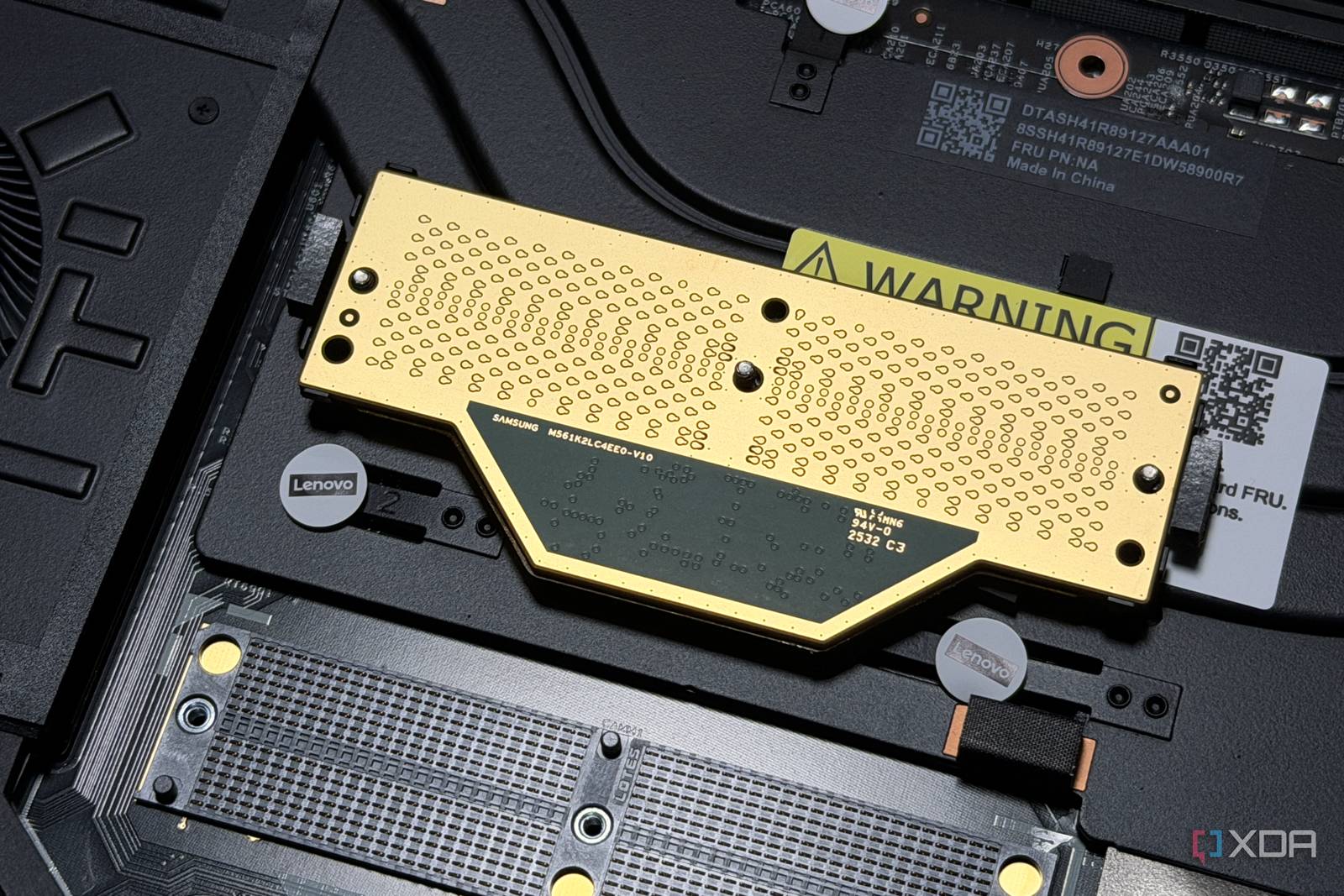
CAMM2 (Compute Acceleration and Memory Module 2.0) is a next-gen memory standard designed for high-performance computing. Unlike traditional DDR5 RAM, CAMM2 integrates memory and storage into a single module, reducing latency and improving efficiency. Initially developed for laptops and servers, it’s now making waves in the desktop market.
Key Benefits of CAMM2 RAM
- Higher bandwidth: CAMM2 offers up to 40% faster data transfer rates than DDR5.
- Compact design: Its slim profile saves space in small-form-factor builds.
- Energy efficiency: Lower power consumption extends component lifespan.
The Major Downside of CAMM2 RAM
Here’s the catch: CAMM2 RAM requires a specialized motherboard with a CAMM2 slot. Most desktops currently on the market use DDR4 or DDR5 slots, which are incompatible. Upgrading to CAMM2 means replacing your motherboard, CPU, and possibly your power supply—a costly and complex process.
Why Compatibility Matters
Even if you’re tempted by CAMM2’s performance gains, check your system’s specs first. For example, Intel’s 13th-gen and AMD’s Ryzen 7000-series CPUs don’t support CAMM2. You’ll need a motherboard with a CAMM2 connector (like the upcoming X870 or Z890 series) to leverage this technology.
Should You Upgrade to CAMM2 RAM?
Consider these scenarios before making the leap:
- Future-proofing: If you’re building a high-end gaming or workstation PC, CAMM2 could justify the investment.
- Budget constraints: For casual users, DDR5 remains a more cost-effective and widely supported option.
- Upgrade timeline: CAMM2 adoption is still in its infancy. Waiting a year might save you money as prices drop and compatibility improves.
Conclusion: Weighing the Pros and Cons
CAMM2 RAM represents a leap forward in memory technology, but its desktop adoption hinges on readiness to overhaul your entire system. While enthusiasts and professionals may benefit from its speed and efficiency, most users should stick with DDR5 for now. Always research motherboard compatibility and future-proofing potential before upgrading.
Ready to explore CAMM2? Check our guide to compatible motherboards and upgrade tips.