
Introduction to the Drunken Monkey Hypothesis
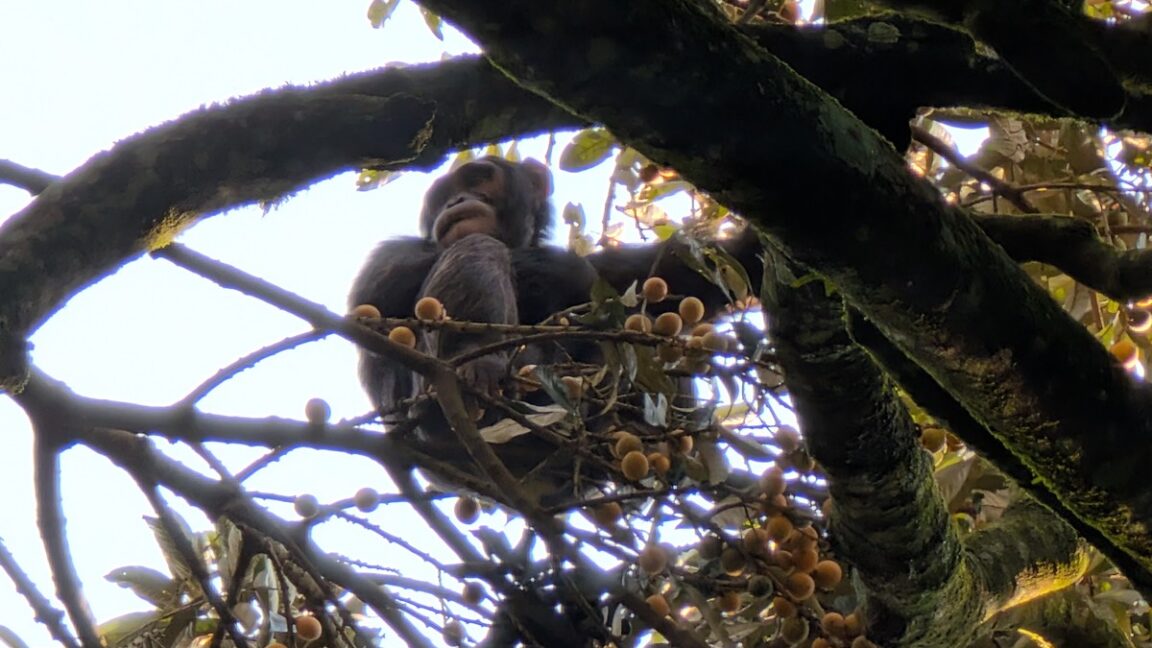
The urine of chimpanzees has been found to contain high levels of alcohol byproduct, most likely due to their regular consumption of fermented fruit. This discovery supports the ‘drunken monkey hypothesis’, which proposes that the human attraction to alcohol originated around 18 million years ago, when the great apes first evolved. This theory, put forth by University of California, Berkeley biologist Robert Dudley, suggests that social communication and food sharing evolved to help identify the presence of fruit from a distance.
The Science Behind the Drunken Monkey Hypothesis
Initially, scientists were skeptical about this theory, arguing that chimpanzees and other primates do not eat fermented fruit or nectar. However, over the past two decades, reports have emerged of primates consuming fermented foods. For instance, wild chimpanzees have been observed sharing fermented African breadfruit, which contains measurable alcoholic content. Additionally, a study found that chimps in the Ivory Coast and Uganda consume 14 grams of alcohol per day, equivalent to a standard drink in the US.
Collecting Chimp Urine Samples
Aleksey Maro, a UCB graduate student, collected urine samples from chimps in Ngogo, Uganda, to see if they contain any alcohol metabolites. This involved sleeping in trees and using makeshift bowls made from plastic bags to collect the samples. The results showed that most of the urine samples contained significant levels of ethyl glucuronide, a byproduct of alcohol, above the equivalent of one or two drinks for humans.
Implications of the Discovery
This finding provides widespread physiological evidence of the consumption of alcohol by chimpanzees, supporting the drunken monkey hypothesis. The results suggest that food and alcohol are evolutionarily connected, particularly in the lives of chimpanzees. However, more research is needed to fully confirm the hypothesis, including studying the effects of dietary ethanol on chimp physiology and behavior over time.
Future Research Directions
Future studies will explore how consuming fermented fruit may affect the timing of female fertility and the behavior of chimps. Additionally, researchers will investigate whether other species, such as fruit bats, also consume large quantities of fermented fruit. The ultimate goal is to definitively prove the universal hypothesis of attraction to alcohol and its evolutionary origins.
Conclusion
In conclusion, the discovery of high levels of alcohol byproduct in chimpanzee urine provides strong evidence for the drunken monkey hypothesis. This theory has significant implications for our understanding of the evolutionary origins of human fondness for alcohol. As research continues to uncover the complex relationships between food, alcohol, and evolution, we may gain a deeper understanding of the universal attraction to alcohol and its role in shaping human behavior.
Call to Action
As we continue to explore the fascinating world of animal behavior and evolution, it is essential to consider the potential implications of our findings for human health and society. By supporting further research into the drunken monkey hypothesis and its related fields, we can gain a deeper understanding of the complex factors driving human behavior and develop more effective strategies for promoting public health and well-being.
Frequently Asked Questions
- What is the drunken monkey hypothesis?
The drunken monkey hypothesis proposes that the human attraction to alcohol originated around 18 million years ago, when the great apes first evolved.
- Do chimpanzees really eat fermented fruit?
Yes, studies have shown that chimpanzees consume large quantities of fermented fruit, which contains measurable alcoholic content.
- What are the implications of the discovery of alcohol byproduct in chimpanzee urine?
The discovery provides widespread physiological evidence of the consumption of alcohol by chimpanzees, supporting the drunken monkey hypothesis and suggesting that food and alcohol are evolutionarily connected.
- What are the potential effects of consuming fermented fruit on chimpanzee behavior and physiology?
Future research will explore the potential effects of dietary ethanol on chimp physiology and behavior over time, including the timing of female fertility and behavior.
- Can the drunken monkey hypothesis be applied to other species?
Yes, researchers are investigating whether other species, such as fruit bats, also consume large quantities of fermented fruit, which could provide further evidence for the universal hypothesis of attraction to alcohol.








