
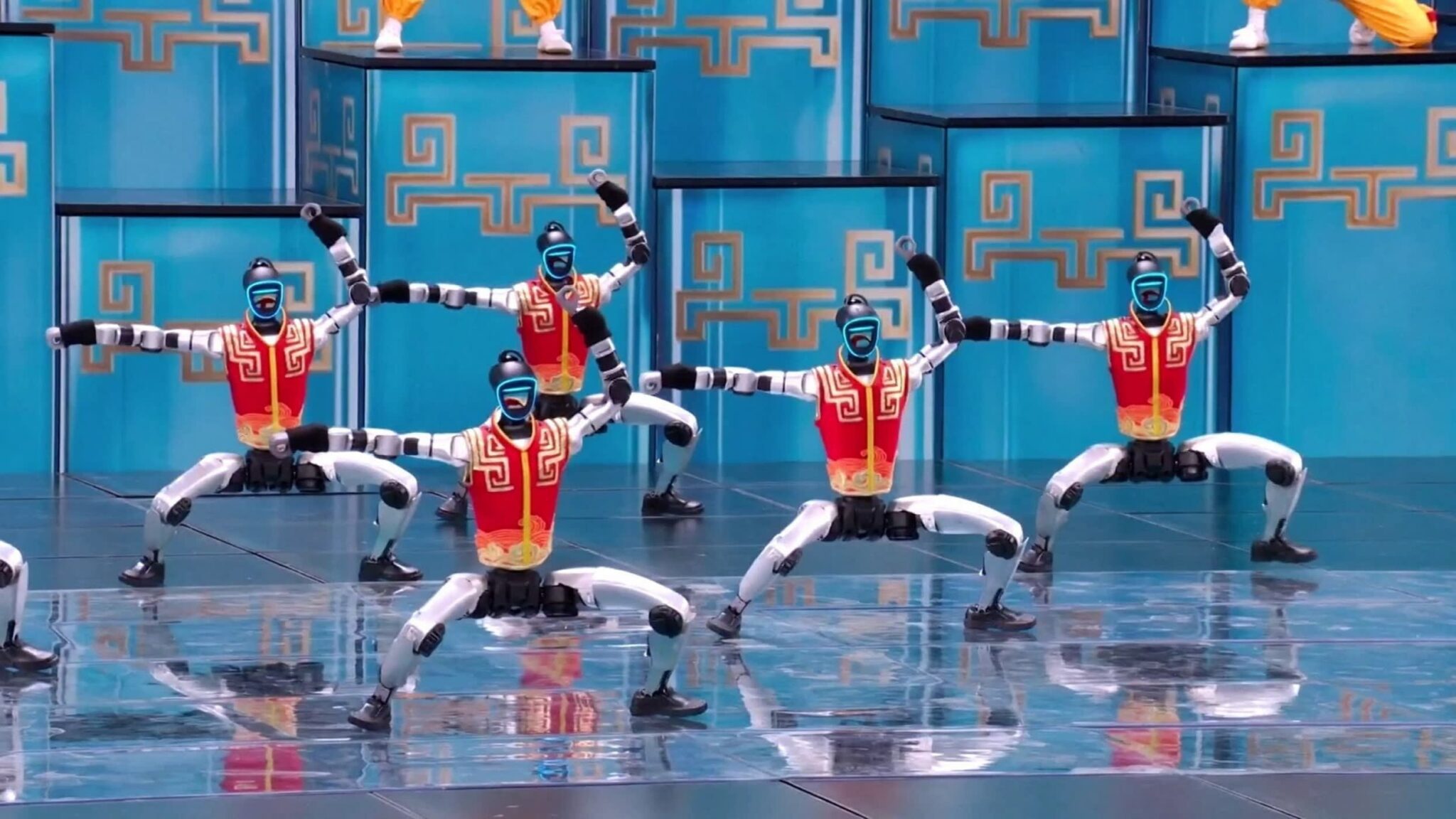
China’s Dancing Robots: AI’s New Frontier
Imagine a robot that can dance to your favorite song and crack jokes. In China, this isn’t science fiction—it’s reality. Companies are developing AI-powered robots that blend entertainment, technology, and human-like interaction. This article explores the companies behind these innovations, the technology driving them, and their potential impact on society.
The Rise of China’s Dancing Robots
China’s robotics industry has surged in recent years, with companies like UBTech and companies mentioned in the Financial Times leading the charge. These firms are creating robots that can perform synchronized dances, mimic human gestures, and even engage in playful banter. The goal? To make AI more relatable and accessible to everyday users.
Key Players in the Field
- UBTech: Known for humanoid robots like the Alpha series, UBTech integrates AI with expressive movements.
- Private Equity-Funded Startups: Emerging firms are leveraging venture capital to experiment with AI-driven entertainment robots.
- State-Sponsored Research: Government initiatives support AI labs focused on human-robot interaction.
Behind the Scenes: How These Robots Work
Creating a dancing, joking robot requires advanced AI algorithms, motion sensors, and natural language processing. For example, robots use machine learning to analyze music rhythms and choreograph moves in real time. Meanwhile, dialogue systems enable them to respond to jokes and questions with humor.
Technological Breakthroughs
- Real-Time Motion Control: Sensors adjust movements to match music tempo.
- Emotion Recognition: Cameras detect user emotions to tailor responses.
- Cloud-Based AI: Robots access vast datasets to improve performance over time.
Implications for the Future of AI
These robots aren’t just for entertainment. They hint at broader applications in education, healthcare, and customer service. For instance, a robot that can dance might also teach physical therapy exercises, while a joke-telling AI could reduce loneliness in elderly care.
Ethical Considerations
As with any AI advancement, questions arise about job displacement and data privacy. However, experts argue that these robots will augment human roles rather than replace them. The Financial Times highlights how companies are balancing innovation with ethical frameworks.
Conclusion: The Human Touch in AI
China’s dancing robots represent a fascinating intersection of technology and humanity. By making AI more engaging, these innovations could reshape how we interact with machines. Ready to explore more? Share your thoughts in the comments below!
FAQs
What companies are leading China’s dancing robot innovation?
Companies like UBTech and state-backed AI labs are at the forefront, combining robotics with entertainment and education.
How do these robots learn to dance?
They use motion sensors and machine learning to analyze music patterns and synchronize movements in real time.
Can these robots replace human entertainers?
Unlikely. While they enhance experiences, human creativity remains irreplaceable in most artistic fields.
What industries benefit from this technology?
Education, healthcare, and customer service are key areas where these robots could improve engagement and efficiency.
Are there ethical concerns?
Yes, including data privacy and job displacement. Companies are addressing these through transparent AI policies and human-centric design.








