
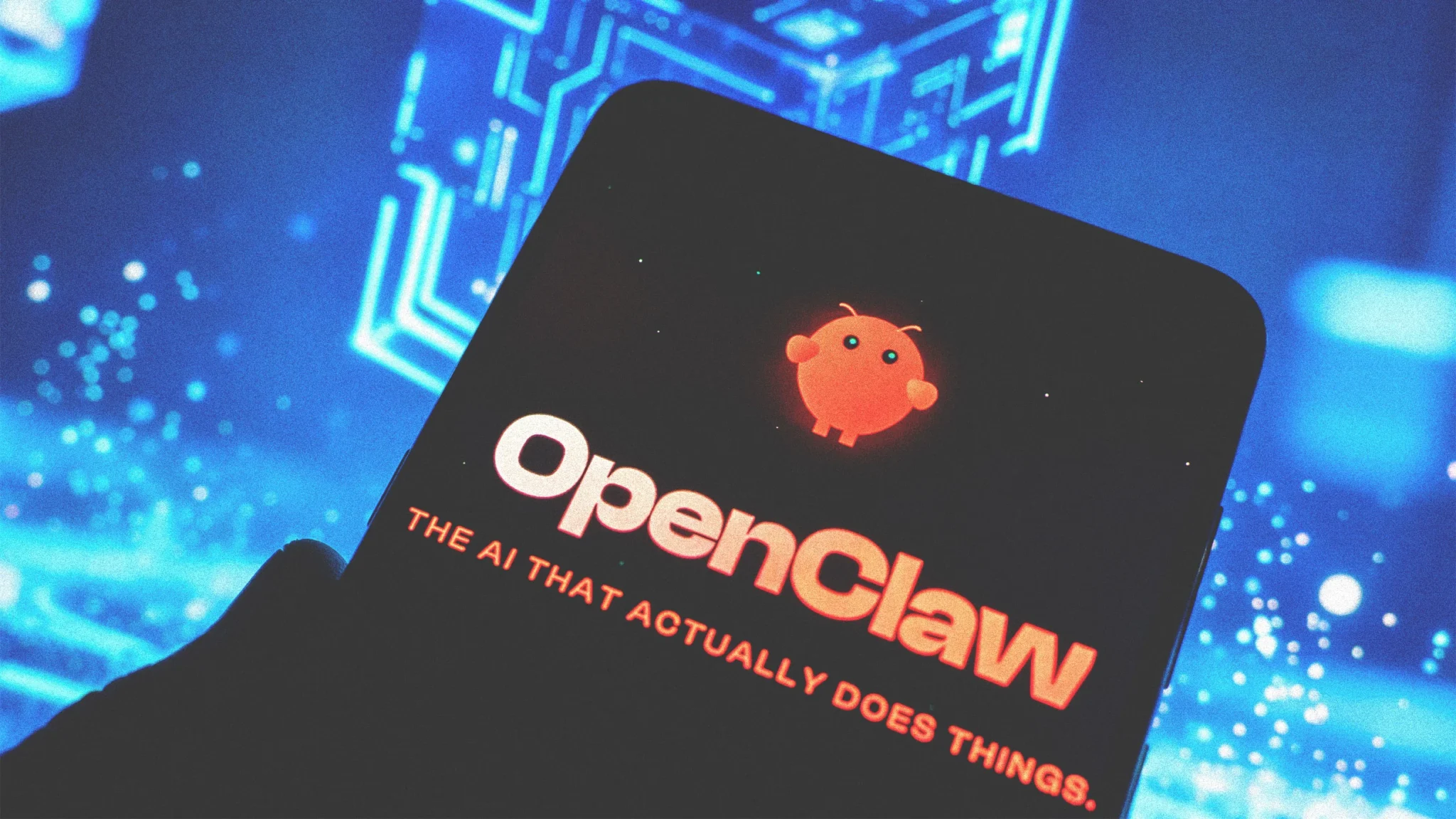
Introduction to OpenClaw
Recently, images from Chinese cities showed senior citizens lining up to install OpenClaw, an always-on AI assistant, on their devices. However, China is now shunning the technology due to security concerns. Meanwhile, the country’s internet emergency response center has issued a warning about the risks OpenClaw poses.
China’s Rapid Tech Adoption
China is adopting tech at a breakneck pace, with a large number of people installing OpenClaw. Additionally, areas like Shenzhen and Wuxi offered subsidies to scale up adoption. Nevertheless, the central government has sent out warnings against installing OpenClaw on government systems.
For example, the private sector is now offering to uninstall unwanted OpenClaw instances for a fee. Furthermore, cybersecurity experts like Alan Woodward are warning about the risks of giving agentic AI access to valuable data.
Cybersecurity Risks
Woodward points out that China’s response is more than just a warning – it’s a recognition of the rapid AI adoption and its potential for supply chain attacks. Therefore, attackers are bound to produce malicious add-ons and plug-ins.
Moreover, Ryan Fedasiuk, a fellow at the American Enterprise Institute, says that China can’t seem to make up its mind about OpenClaw. However, the Chinese government aims to capture the economic upside of agentic AI while keeping it out of the party-state’s own bloodstream.
Balance Between Adoption and Security
Fedasiuk reckons that the balance between adoption and security can’t hold for long. Meanwhile, every private-sector actor is trying to adopt agentic AI, which poses a significant challenge. Additionally, banning agents in 2026 is like trying to ban spreadsheets in 1985 – the productivity gains are enormous.
Finally, Fedasiuk points out that China’s OpenClaw ban seems sensible due to the cybersecurity implications of AI agents. However, it’s out of step with current thinking about AI. Therefore, governments should be alarmed by the cybersecurity implications of AI agents.
Conclusion
In conclusion, China’s OpenClaw conundrum is a complex issue that requires a balance between adoption and security. Meanwhile, the country’s rapid tech adoption and security concerns are at odds with each other. Additionally, the private sector’s response to the ban is a significant factor in the debate.
For instance, the uninstallation services offered by the private sector are a testament to the complexity of the issue. Furthermore, the warnings from cybersecurity experts like Woodward and Fedasiuk are a reminder of the potential risks of agentic AI.
FAQs
Here are some frequently asked questions about OpenClaw:
- What is OpenClaw, and how does it work?
- Why is China banning OpenClaw on government networks?
- What are the cybersecurity implications of AI agents like OpenClaw?
- How can individuals and organizations protect themselves from the risks of agentic AI?
- What is the future of OpenClaw in China, and how will it impact the country’s tech adoption?








