China’s Type 055: Cruiser or Destroyer?
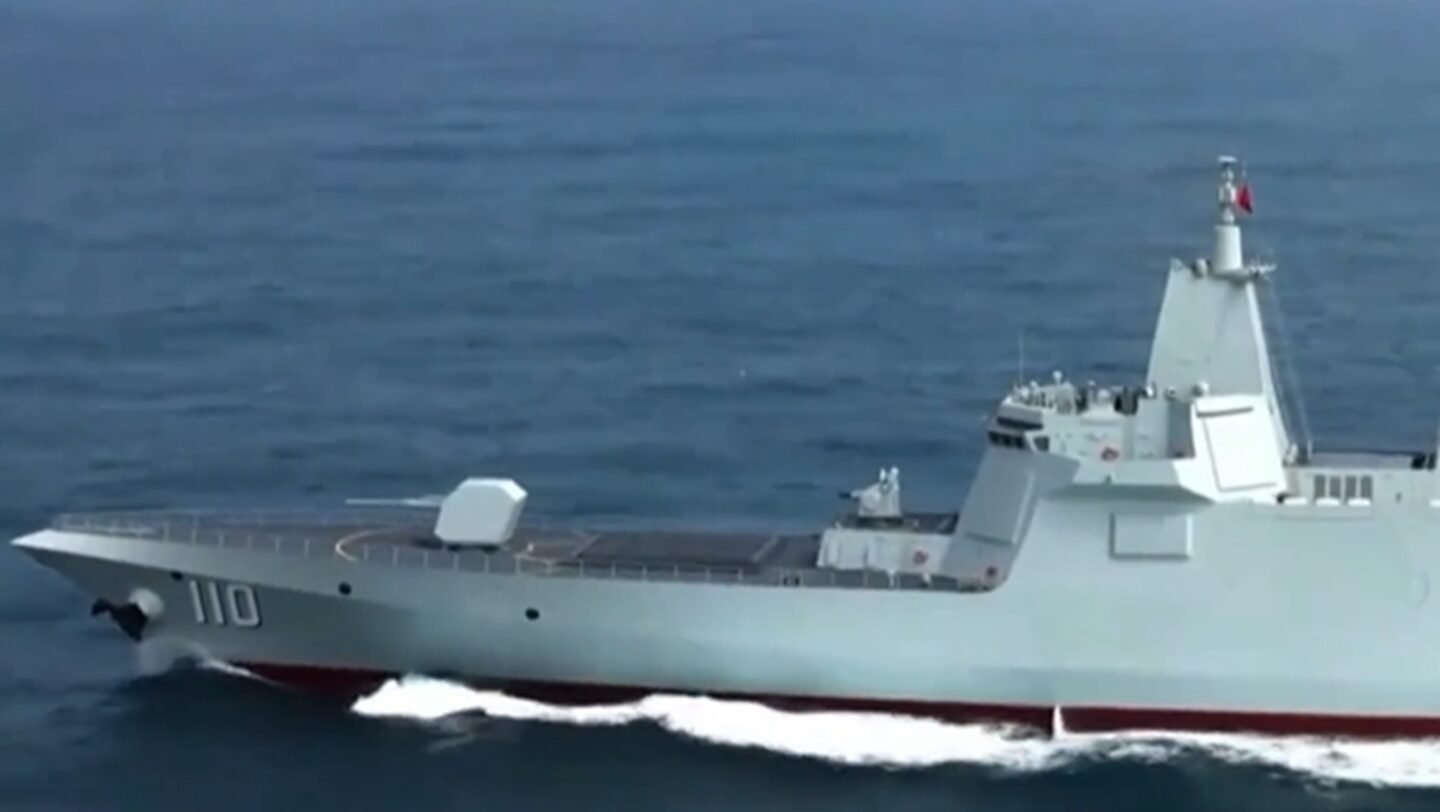
China’s recent commissioning of two new Type 055 guided missile warships has reignited a long-standing debate: is this vessel a cruiser or a destroyer? With its massive size, advanced armament, and strategic role, the Type 055 blurs traditional naval classifications. This article breaks down the evidence, explores NATO’s perspective, and explains why this debate matters for global naval strategy.
The Debate: Cruiser or Destroyer?
The People’s Liberation Army Navy (PLAN) officially classifies the Type 055 as a guided missile destroyer. However, NATO and many analysts argue it meets the criteria of a cruiser. The distinction hinges on three key factors:
- Size and Displacement: At 180 meters and over 12,000 tons, the Type 055 exceeds traditional destroyer classifications.
- Firepower: Its 112 vertical launch system (VLS) cells rival those of U.S. cruisers like the CG-47 Ticonderoga.
- Role: Designed for air defense, anti-ship strikes, and command coordination—tasks typically assigned to cruisers.
Why the Classification Matters
Naval terminology isn’t just semantics. Cruiser status implies a ship’s ability to operate independently in blue-water environments, a critical capability for China’s growing global ambitions. Meanwhile, destroyers are typically smaller, faster, and designed for fleet protection.
Type 055 Specifications and Capabilities
To understand the debate, let’s examine the Type 055’s specs:
- Length: 183 meters (600 feet)
- Displacement: 12,000+ tons
- Armament: 112 VLS cells, YJ-18 anti-ship missiles, HHQ-9 air defense missiles
- Stealth Design: Radar-absorbent materials and angular hull reduce detectability
Comparisons to Western Warships
The Type 055 outperforms many U.S. destroyers in VLS capacity and multi-mission flexibility. For example, the U.S. Arleigh Burke class has 96 VLS cells but lacks the Type 055’s integrated air defense systems. Meanwhile, the CG-47 Ticonderoga cruiser shares similar VLS counts but is older and less stealthy.
NATO’s Perspective vs. China’s Classification
NATO officially classifies the Type 055 as a cruiser, citing its size, firepower, and strategic role. China, however, insists on the destroyer label to emphasize its focus on fleet operations rather than independent missions. This discrepancy reflects broader differences in naval strategy:
- China’s Approach: Prioritizes mass production of advanced warships to project power in the Indo-Pacific.
- NATO’s Approach: Maintains a tiered fleet structure with distinct roles for cruisers, destroyers, and frigates.
Strategic Implications for the PLAN
With ten Type 055s now in service, China is building a fleet capable of challenging U.S. naval dominance. These ships are often deployed with carrier battle groups, enhancing their ability to conduct long-range strikes and defend against aerial threats.
Conclusion: A New Era of Naval Power
The Type 055 represents a paradigm shift in naval warfare. Whether classified as a cruiser or destroyer, its capabilities redefine what a modern warship can achieve. As China continues to expand its blue-water navy, the global balance of maritime power will increasingly depend on vessels like the Type 055.
What’s your take? Share your thoughts in the comments below or download our free naval industry guide to explore warship design and procurement trends.