Introduction to Space Debris
Space debris has become a significant concern in recent years, with the increasing number of satellites and other objects in Earth’s orbit. The incident involving the Chinese taikonauts on the Shenzhou 20 mission highlights the risks associated with space debris. In this article, we will delve into the details of the incident and explore the implications of space debris on space travel.
Space Debris: A Growing Concern
Space debris refers to the accumulation of objects in Earth’s orbit that are no longer in use or are not functioning as intended. These objects can range from small pieces of metal to entire satellites. The problem with space debris is that it can cause significant damage to operational spacecraft and satellites, potentially leading to catastrophic consequences.
For example, in 2009, a defunct Russian satellite collided with a functioning US satellite, resulting in the creation of over 1,000 pieces of debris. This incident highlights the potential risks associated with space debris and the need for effective mitigation strategies.
Causes of Space Debris
There are several causes of space debris, including:
- Collisions between spacecraft and other objects in orbit
- Explosions of spacecraft and other objects in orbit
- Decommissioned spacecraft and satellites that are not properly disposed of
These causes can result in the creation of a significant amount of debris, which can then pose a risk to operational spacecraft and satellites.
The Incident Involving the Chinese Taikonauts
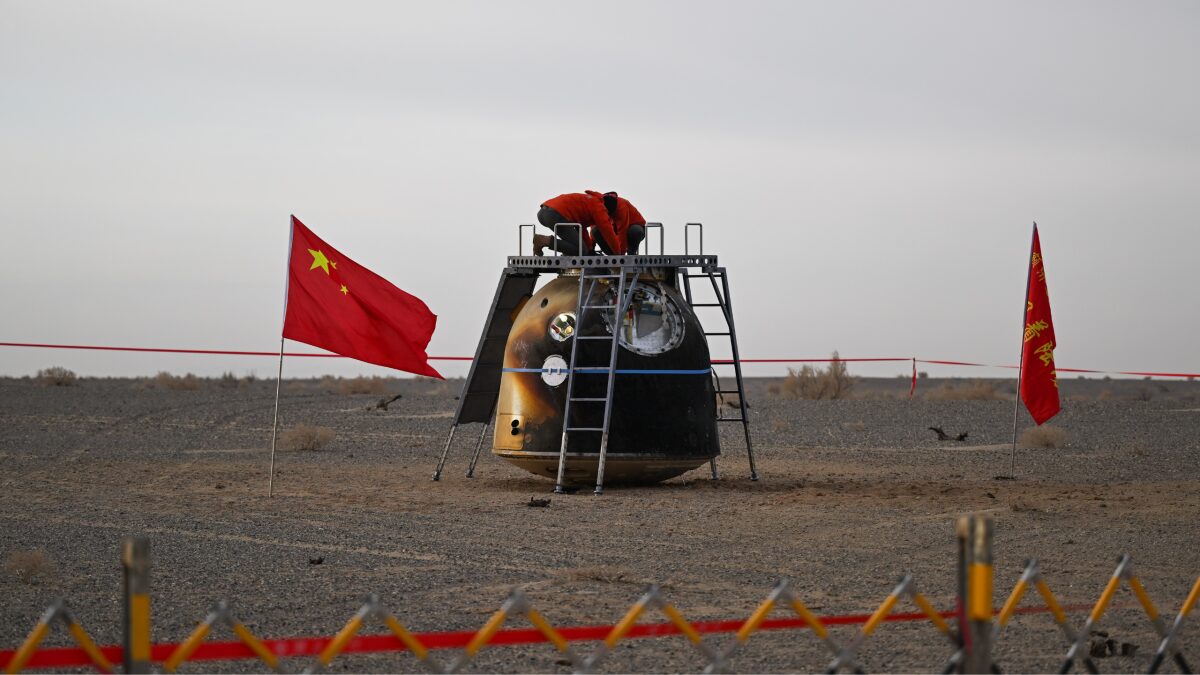
In November, an anomaly aboard the Shenzhou 20 mission left three Chinese taikonauts temporarily stranded in space. The incident occurred when a small piece of space debris impacted the spacecraft, causing a crack in one of the viewports.
The taikonauts, who were on a mission to the Chinese space station, were forced to leave the spacecraft and return to Earth on a different capsule. The incident highlights the risks associated with space debris and the need for effective mitigation strategies.
Response to the Incident
The Chinese space program responded quickly to the incident, sending a new capsule to retrieve the taikonauts. The empty Shenzhou 20 capsule was later brought back to Earth, and an investigation into the incident was launched.
The incident has sparked renewed concerns about the risks associated with space debris and the need for effective mitigation strategies. It has also highlighted the importance of international cooperation in addressing the issue of space debris.
Implications of Space Debris
The incident involving the Chinese taikonauts highlights the potential risks associated with space debris. The accumulation of debris in Earth’s orbit can pose a significant threat to operational spacecraft and satellites, potentially leading to catastrophic consequences.
For example, a collision between a spacecraft and a piece of debris could result in the loss of the spacecraft and the creation of even more debris. This could lead to a chain reaction of collisions, resulting in the creation of a significant amount of debris.
Mitigation Strategies
There are several mitigation strategies that can be employed to reduce the risks associated with space debris. These include:
- Designing spacecraft and satellites with debris mitigation in mind
- Implementing effective debris removal strategies
- Encouraging international cooperation in addressing the issue of space debris
These strategies can help to reduce the risks associated with space debris and ensure the long-term sustainability of space travel.
Conclusion
In conclusion, the incident involving the Chinese taikonauts highlights the risks associated with space debris. The accumulation of debris in Earth’s orbit can pose a significant threat to operational spacecraft and satellites, potentially leading to catastrophic consequences.
It is essential that we employ effective mitigation strategies to reduce the risks associated with space debris. This can include designing spacecraft and satellites with debris mitigation in mind, implementing effective debris removal strategies, and encouraging international cooperation in addressing the issue of space debris.
By working together, we can reduce the risks associated with space debris and ensure the long-term sustainability of space travel.
FAQs
Q: What is space debris?
A: Space debris refers to the accumulation of objects in Earth’s orbit that are no longer in use or are not functioning as intended.
Q: What are the causes of space debris?
A: The causes of space debris include collisions between spacecraft and other objects in orbit, explosions of spacecraft and other objects in orbit, and decommissioned spacecraft and satellites that are not properly disposed of.
Q: What are the implications of space debris?
A: The implications of space debris include the potential for collisions between spacecraft and debris, which can result in the loss of the spacecraft and the creation of even more debris.
Q: What are some mitigation strategies for reducing the risks associated with space debris?
A: Some mitigation strategies for reducing the risks associated with space debris include designing spacecraft and satellites with debris mitigation in mind, implementing effective debris removal strategies, and encouraging international cooperation in addressing the issue of space debris.
Q: Why is international cooperation important in addressing the issue of space debris?
A: International cooperation is important in addressing the issue of space debris because it allows for the sharing of resources and expertise, which can help to reduce the risks associated with space debris.