
Chuck Peddle and the 6502 Microprocessor Legacy
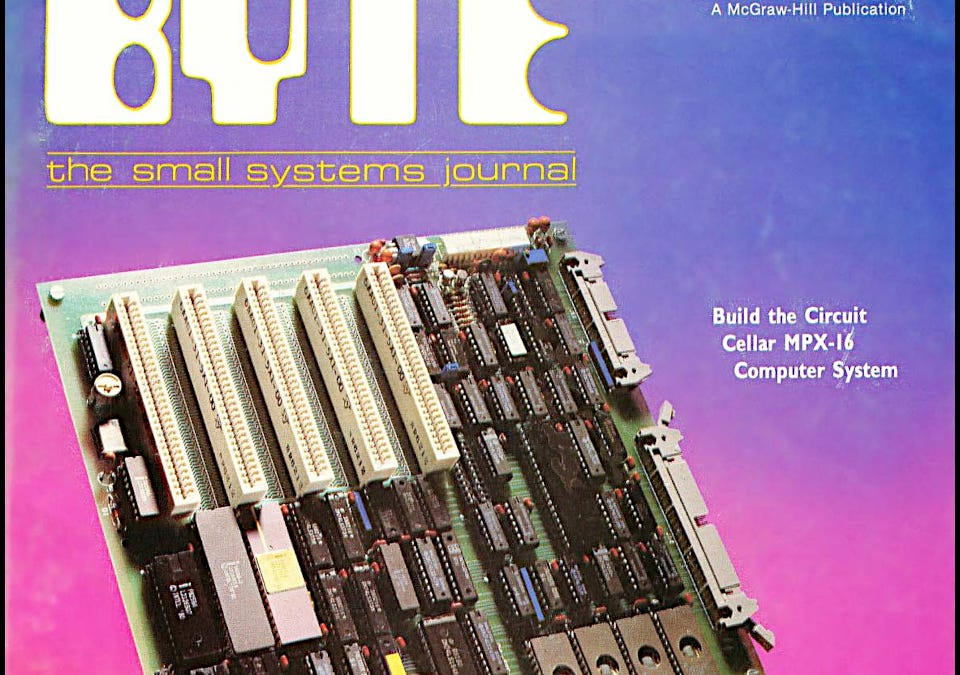
Chuck Peddle’s name is etched into the history of computing. As the architect of the MOS Technology 6502 microprocessor and the Commodore PET, he laid the groundwork for the personal computer revolution. In a 1982 interview with Byte magazine, Peddle shared insights into his design philosophy, the Victor 9000 system, and his vision for the future of microcomputers. Let’s explore his contributions and their lasting impact.
The 6502 Microprocessor: A Game-Changer
By 1974, Peddle had already made waves in the tech world. At MOS Technology, he led the design of the 6502 microprocessor, which sold for just $25—far below competitors’ $200+ prices. This affordability democratized computing, enabling companies like Atari, Apple, and Commodore to build groundbreaking systems. The 6502’s simplicity and cost-effectiveness made it a cornerstone of early personal computers, including the Apple II and Commodore PET.
Key Innovations
- 6522 PIA: Extended the 6502’s capabilities with timers and shifters, critical for advanced applications.
- Cost Leadership: Disrupted the market by proving high-performance chips could be affordable.
- Industry Adoption: Became the heart of iconic systems, shaping the 1980s computing landscape.
Victor 9000: Designing for the Future
In the early 1980s, Peddle co-founded Sirius Systems Technology to create the Victor 9000 (later Sirius 1). This machine aimed to bridge the gap between personal computers and office systems. Peddle outlined three generations of microcomputers:
Generational Shifts in Microcomputing
- First Generation: Hobbyist boards like the KIM-1 and Apple I.
- Second Generation: Plug-and-play systems like the PET and Apple II.
- Third Generation: Professional-grade desktops with high-capacity storage, networking, and advanced software.
The Victor 9000 embodied the third generation. With 128KB of RAM, the Intel 8088 processor, and a focus on business applications, it targeted office environments. Peddle emphasized collaboration with Victor, a Hong Kong-based manufacturer, to balance cost and global reach.
Lessons from Peddle’s Vision
Peddle’s approach to design and market strategy offers timeless lessons:
- Cost-Effective Innovation: The 6502’s success proved affordability could drive mass adoption.
- Partnerships: The Victor-Sirius collaboration highlighted the value of global manufacturing alliances.
- Future-Proofing: The Victor 9000’s architecture allowed migration to 16-bit systems, anticipating industry trends.
Conclusion: A Legacy of Innovation
Chuck Peddle’s work on the 6502 microprocessor and the Victor 9000 remains a testament to visionary engineering. By prioritizing accessibility, collaboration, and forward-thinking design, he helped shape the modern computing era. As we reflect on his contributions, we’re reminded that the right technology, at the right price, can change the world.
Explore more: Dive into the history of the 6502 or the evolution of personal computing. Share your thoughts in the comments—how do you see Peddle’s legacy influencing today’s tech?








