
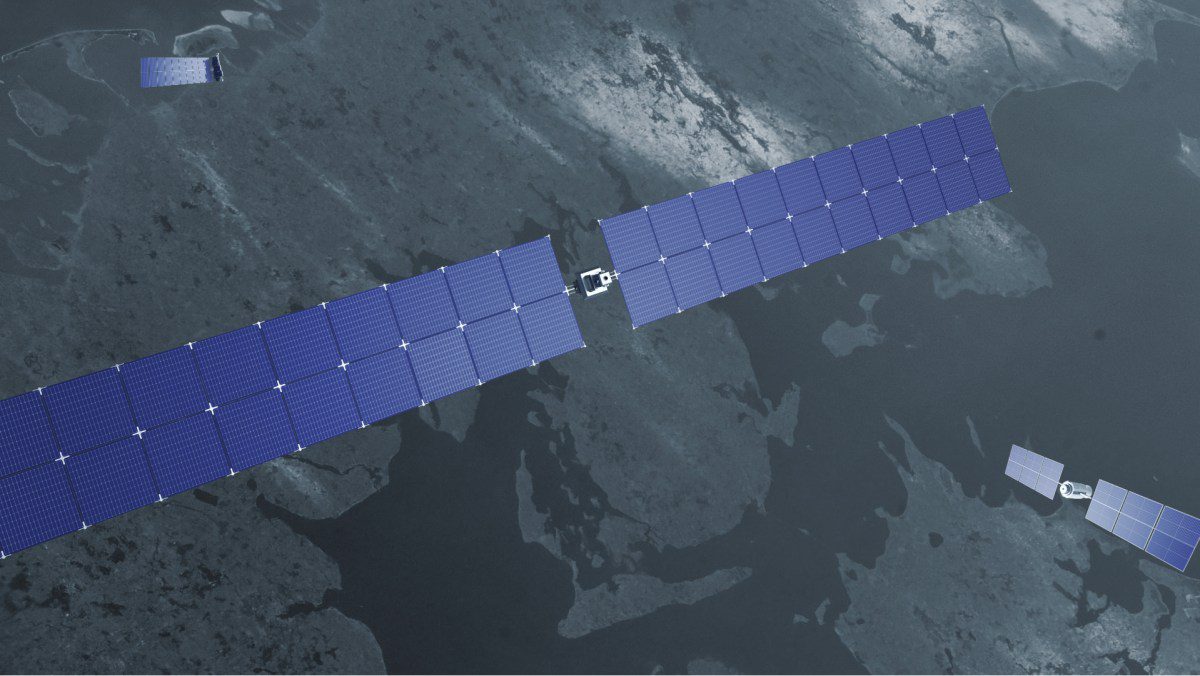
Cooling High-Powered Processors in Space
As space companies aim to launch the most advanced chips into orbit, the issue of cooling these high-powered processors has become a pressing concern. Meanwhile, the lack of airflow in space complicates the process of heat dissipation. For example, Nvidia CEO Jensen Huang emphasized the challenges of cooling in space during his firm’s recent earnings call, stating, “It’s cold in space … [but] there’s no airflow, and so the only way to dissipate is through conduction.”
Cooling Challenges in Space
However, the unique environment of space poses significant cooling challenges. Additionally, the high-powered processors used in space-based data centers generate a substantial amount of heat. Therefore, finding effective cooling solutions is crucial to ensure the reliability and performance of these systems. Meanwhile, researchers are exploring innovative cooling methods, such as advanced heat pipes and radiators, to address these challenges.
Furthermore, the use of high-powered processors in space-based applications is becoming increasingly common. For instance, satellite constellations and space-based data centers require powerful computing capabilities to process vast amounts of data. Nevertheless, the cooling of these systems remains a significant hurdle. Consequently, the development of efficient cooling solutions is essential to support the growth of space-based computing.
Current Cooling Solutions
Currently, several cooling solutions are being used in space-based applications, including:
- Heat pipes: These devices use a working fluid to transfer heat from the processor to a radiator, where it is dissipated.
- Radiators: These devices use a combination of conduction and radiation to dissipate heat into space.
- Fluid-based cooling systems: These systems use a fluid to absorb heat from the processor and transfer it to a radiator or heat exchanger.
Additionally, researchers are exploring new cooling technologies, such as advanced materials and phase-change materials, to improve the efficiency of cooling systems in space.
Future Directions
Looking ahead, the development of more efficient cooling solutions will be critical to support the growth of space-based computing. Meanwhile, the use of advanced materials and innovative cooling technologies will play a key role in addressing the cooling challenges in space. For example, the use of graphene and other advanced materials could enable the development of more efficient heat pipes and radiators. Furthermore, the integration of cooling systems with other spacecraft systems, such as power and communication systems, will be essential to optimize overall system performance.
Finally, the development of standardized cooling solutions for space-based applications will help to reduce costs and improve the reliability of these systems. Consequently, the space industry is likely to see significant advancements in cooling technologies in the coming years, enabling the widespread adoption of high-powered processors in space-based applications.
Conclusion
In conclusion, the cooling of high-powered processors in space is a complex challenge that requires innovative solutions. However, by leveraging advanced materials and cooling technologies, researchers and engineers can develop more efficient cooling systems for space-based applications. Therefore, as the space industry continues to evolve, the development of effective cooling solutions will be essential to support the growth of space-based computing.
Frequently Asked Questions
- What are the main challenges of cooling high-powered processors in space? The main challenges include the lack of airflow and the need for efficient heat dissipation.
- What are some current cooling solutions used in space-based applications? Current solutions include heat pipes, radiators, and fluid-based cooling systems.
- What are some future directions for cooling high-powered processors in space? Future directions include the development of advanced materials and innovative cooling technologies.
- Why is cooling important for space-based applications? Cooling is essential to ensure the reliability and performance of high-powered processors in space.
- What is the focus keyword for this article? The focus keyword is “cooling high-powered processors in space”.








