Introduction to Solar Flares and Earthquakes
Earthquakes are a complex phenomenon that have puzzled scientists for centuries. While the underlying causes of earthquakes are well understood, predicting when and where they will occur remains a significant challenge. Recently, researchers in Japan have proposed a new link between solar flares and earthquakes, suggesting that these rare celestial events could be the trigger for seismic activity on our planet.
Understanding Solar Flares and Their Effects on Earth
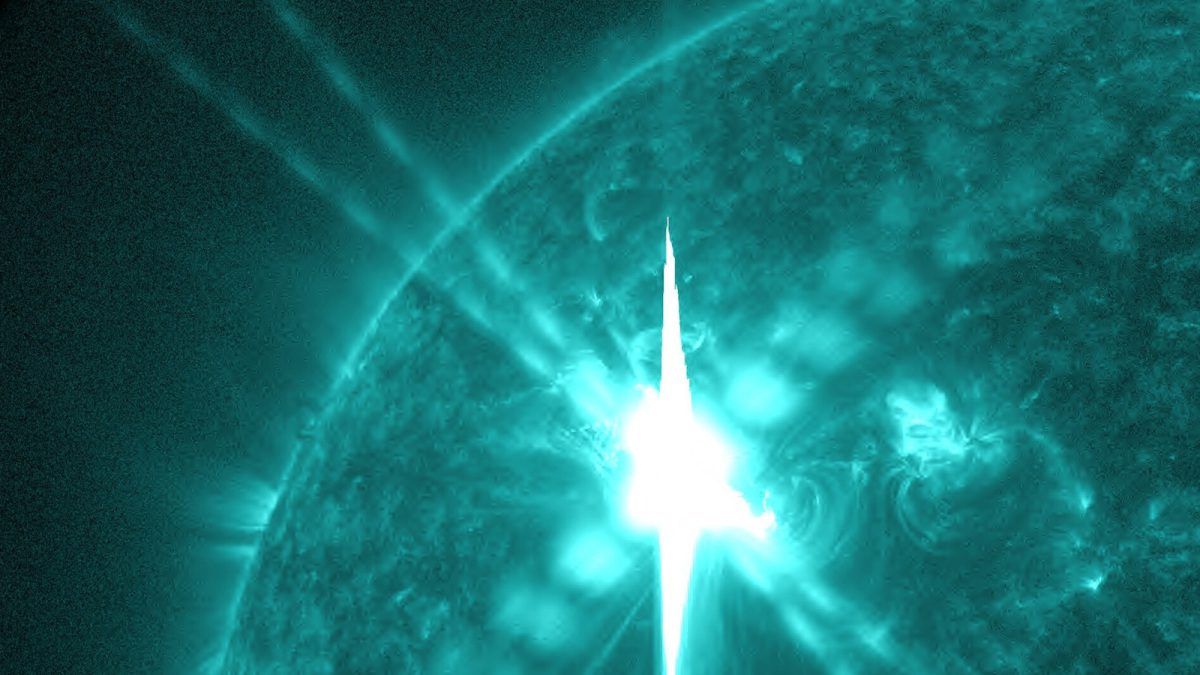
Solar flares are intense bursts of radiation from the sun, often accompanied by coronal mass ejections. These events can affect Earth’s magnetic field, potentially causing changes in the upper atmosphere. The study published in the International Journal of Plasma Environmental Science and Technology posits that these changes could, in turn, influence the forces acting on Earth’s crust, potentially triggering earthquakes.
The Mechanism Behind Solar Flares and Earthquakes
The proposed mechanism involves the disruption of Earth’s ionosphere by solar flares, leading to changes in the electromagnetic profile of the ionosphere. This could cause electrons to shift towards Earth’s crust, affecting its electrical makeup and potentially leading to a sudden release of stored energy in the form of an earthquake.
Case Studies: Noto Peninsula Earthquakes and Other Examples
The study cites the Noto Peninsula earthquakes in Japan on January 1, 2024, which occurred just one day after a strong solar flare had struck Earth. Another example is an earthquake in December 2025 that followed another solar flare. While these examples are intriguing, they are not conclusive evidence of a causal link.
Expert Opinions and the Need for Further Research
Not all experts are convinced by the findings. Nicholas Schmerr, a geophysicist at the University of Maryland, suggests that the study is highly speculative and that more evidence is needed to prove true causality. However, the idea is worth exploring further, and historical records could provide valuable insights into the potential correlation between solar flares and earthquakes.
Potential Implications and Future Research Directions
If a link between solar flares and earthquakes could be established, it could have significant implications for earthquake prediction and preparedness. Understanding the triggers of earthquakes could allow for more effective evacuation strategies and emergency measures, potentially saving lives and reducing damage.
Conclusion and Call to Action
In conclusion, while the idea that solar flares could trigger earthquakes is speculative, it is an area worth exploring further. As our understanding of the complex interactions between the Earth’s atmosphere, magnetic field, and crust evolves, we may uncover new insights into the causes of earthquakes. Further research is needed to determine the validity of this hypothesis and to explore the potential implications for earthquake prediction and preparedness.
Frequently Asked Questions
- Q: What are solar flares and how do they affect Earth? A: Solar flares are intense bursts of radiation from the sun that can affect Earth’s magnetic field and potentially cause changes in the upper atmosphere.
- Q: Can solar flares trigger earthquakes? A: The study suggests a potential link between solar flares and earthquakes, but more research is needed to confirm this hypothesis.
- Q: How could understanding the link between solar flares and earthquakes help us? A: If a link could be established, it could improve earthquake prediction and preparedness, saving lives and reducing damage.
- Q: What is the current state of research on this topic? A: The study published in the International Journal of Plasma Environmental Science and Technology provides some evidence for the link, but more research is needed to confirm the findings.
- Q: How can I stay informed about the latest developments in this field? A: Following reputable scientific sources and staying up-to-date with the latest research papers and news articles can help you stay informed about the topic.