Cybersecurity Threats: Good, Bad, and Ugly in 2026
From law enforcement dismantling cybercrime networks to devastating ransomware attacks, 2026 has brought a mix of progress and peril in the cybersecurity landscape. Let’s break down the key developments shaping the year—and what they mean for organizations and individuals.
The Good: Law Enforcement Strikes Cybercrime Network
In a major win for cybersecurity, U.S. and European authorities have dismantled the SocksEscort proxy network, a platform that enabled criminals to access “clean” residential IP addresses. This network, powered by 20,000+ compromised Linux devices infected with AVRecon malware, allowed attackers to bypass blocklists and commit fraud. Law enforcement seized servers, froze $3.5 million in cryptocurrency, and disconnected infected routers, marking a critical disruption in cybercrime infrastructure.
BlackCat Ransomware Insider Charged
Meanwhile, former DigitalMint employee Angelo Martino faces charges for collaborating with the BlackCat ransomware group. Prosecutors allege he shared negotiation details and participated in attacks, netting victims over $26 million. BlackCat, active since 2021, has extorted over $300 million globally. Martino’s case highlights the risks of insider threats in ransomware ecosystems.
The Bad: FortiGate Firewalls Exploited
Threat actors are exploiting vulnerabilities in FortiGate Next-Generation Firewalls (NGFWs) to breach networks. SentinelOne reports attackers are leveraging known flaws (CVE-2025-59718, CVE-2025-59719, CVE-2026-24858) and weak credentials to extract configuration files, steal service account credentials, and map network topologies. These breaches enable lateral movement and privilege escalation, turning firewalls into backdoors.
Attack Tactics and Mitigation
- Configuration Theft: Attackers create local admin accounts (e.g., “support”) and extract LDAP credentials to enroll rogue devices into Active Directory.
- Malware Deployment: Legitimate RMM tools like Pulseway and MeshAgent are weaponized to exfiltrate sensitive data (e.g., NTDS.dit files).
- Recommendations: Retain FortiGate logs for 14+ days, enforce strong access controls, and integrate logs into SIEM systems for real-time monitoring.
The Ugly: Stryker Hit by Handala Wiper Malware
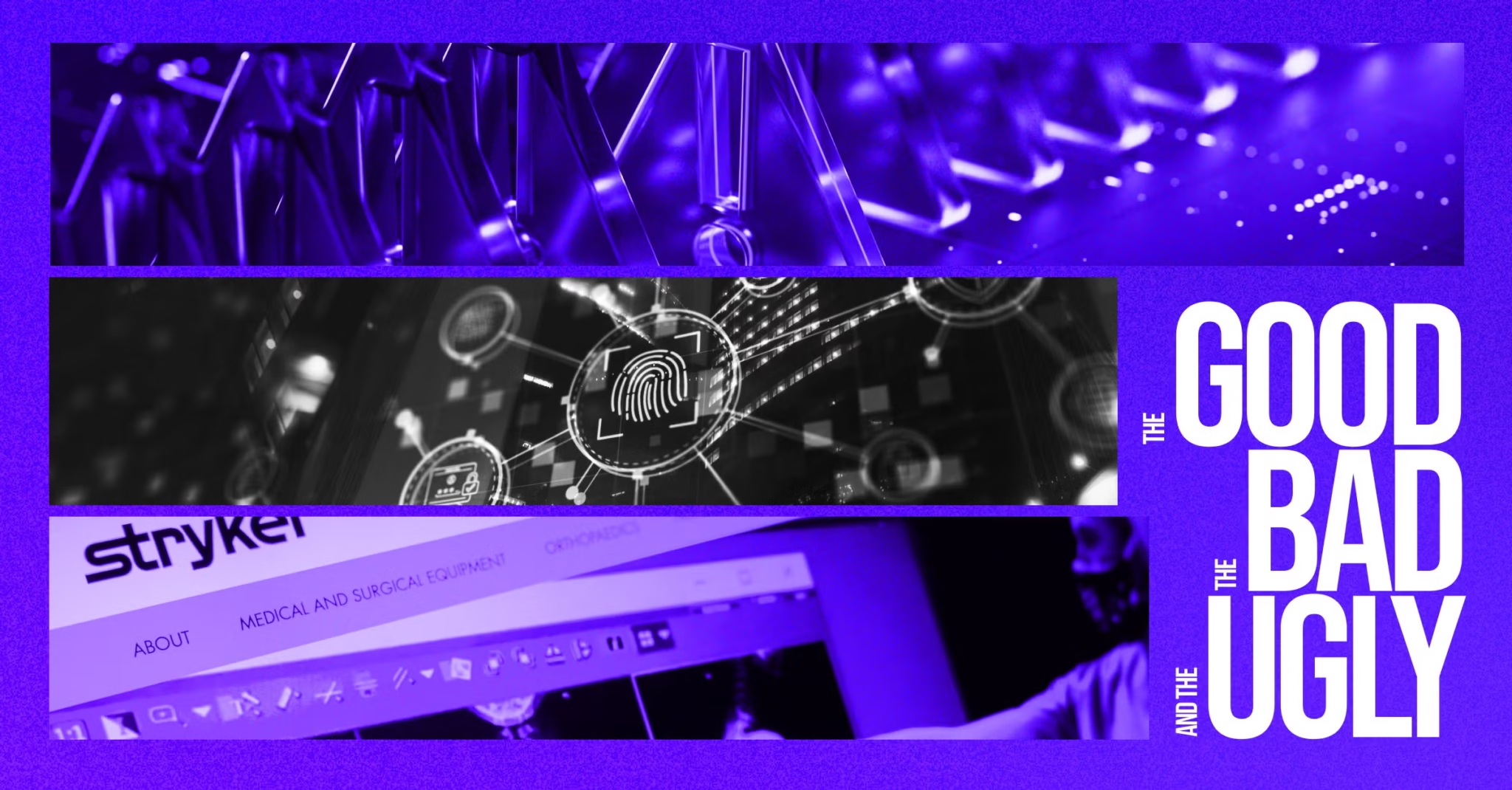
Medical tech giant Stryker suffered a catastrophic cyberattack by Handala, a pro-Palestinian hacktivist group linked to Iran. The attack wiped 200,000+ systems globally, forcing office shutdowns in 79 countries. Handala claimed to steal 50TB of data and displayed its logo on login screens, disrupting Microsoft services and forcing manual workflows.
Impact and Lessons Learned
Stryker’s incident underscores the growing threat of state-aligned hacktivists. While no ransomware was involved, the attack highlights vulnerabilities in critical infrastructure. Cybersecurity experts warn that Iran-linked groups may escalate attacks during geopolitical tensions, targeting U.S. organizations and critical sectors.
Conclusion: Staying Ahead of Cybersecurity Threats
The 2026 cybersecurity landscape demands vigilance. From dismantling cybercrime networks to defending against sophisticated attacks, organizations must prioritize proactive measures:
- Apply Microsoft’s latest security patches, especially for RCE vulnerabilities in Office and Excel.
- Secure NGFWs with strong credentials, regular patching, and log retention.
- Prepare for disruptive attacks by hardening infrastructure and monitoring for anomalies.
Stay informed and adapt: Follow us on LinkedIn, Twitter, and YouTube for the latest cybersecurity insights.