
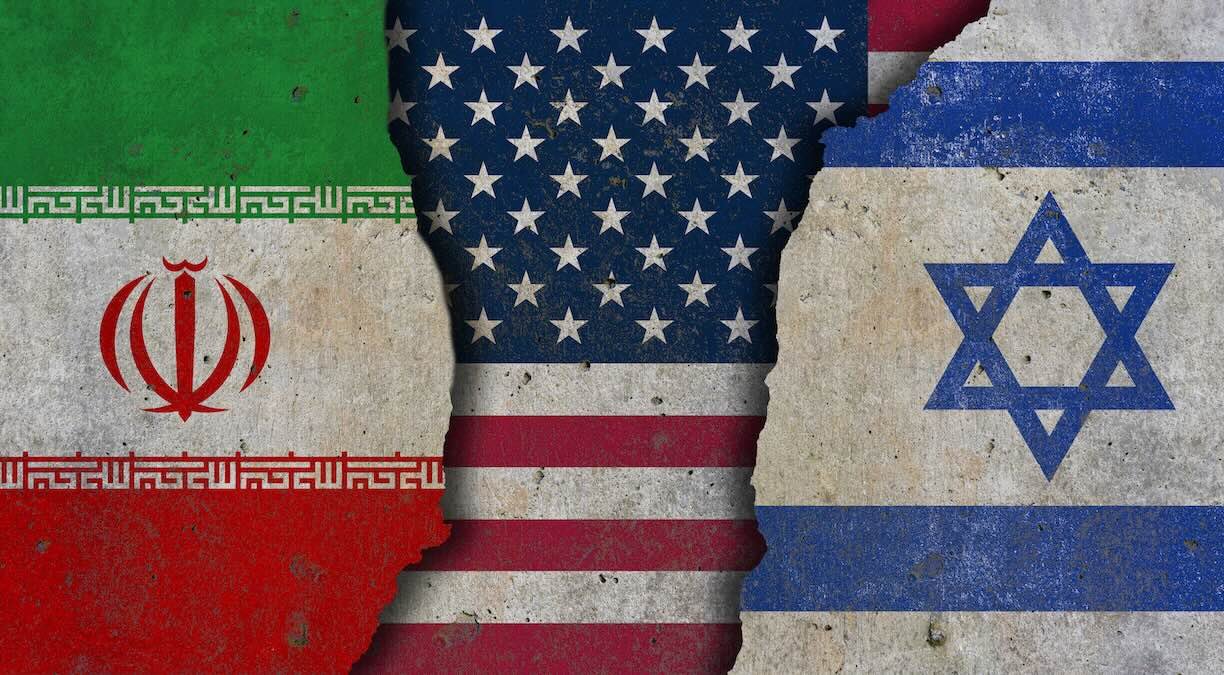
Cyberwarfare Escalates: US-Israel and Iran Trade Digital Blows
In the shadow of kinetic warfare, the US-Israel-Iran conflict has spilled into the digital realm, with both sides unleashing cyberattacks targeting critical infrastructure, government systems, and propaganda platforms. From wiper malware to DDoS assaults, the cyberwarfare landscape is evolving rapidly, raising alarms about global cybersecurity.
Pro-West Cyberattacks Disrupt Iran’s Infrastructure
Following coordinated airstrikes on February 28, 2026, US-Israeli forces launched cyberoperations that crippled Iranian communications, energy systems, and propaganda outlets. Key targets included:
- IRGC Command Systems: Disrupted to hinder counterattack coordination.
- Government Apps: A prayer app was hijacked to send pro-West messages.
- Energy and Aviation: Deep intrusions caused infrastructure instability.
NetBlocks reported a 48-hour internet blackout in Iran, a tactic the regime often uses to suppress dissent and hide human rights violations.
Iran’s Retaliation: Cyberattacks on Israel and the US
Iranian and pro-Iran groups have escalated their own cyberwarfare campaigns, targeting:
- Air Defense Systems: Alleged attacks on Israeli defense infrastructure.
- Industrial Control Systems (ICS): Disruptions to Jordan’s fuel infrastructure.
- Logistics Providers: Data-wiping operations against US military suppliers.
CrowdStrike’s Adam Meyers warns that Iranian-aligned actors are conducting reconnaissance and DDoS attacks, which often precede more destructive operations. “Their cyber playbook aligns with broader strategic goals,” he notes.
The Role of Hacktivists and Ransomware
Hacktivist groups like Handala and ransomware gangs such as Sicarii are amplifying Iran’s cyberwarfare efforts. Meanwhile, Iran’s Ministry of Intelligence and Security (MOIS) has claimed attacks in Jordan, though experts caution against overestimating their impact.
Cynthia Kaiser of Halcyon highlights Iran’s history of blending ransomware with state-sponsored sabotage, citing the 2024 Baltimore attack as a precedent.
Assessing the Cyberwarfare Threat
While both sides possess advanced cyber capabilities, experts urge caution about exaggerated claims. SentinelOne reported no “significant malicious cyber activity” directly tied to the conflict but warned of increased targeting in defense, finance, and critical infrastructure sectors.
Key concerns include:
- Wiper Malware: Designed to erase data irreversibly.
- DDoS Campaigns: Overloading networks to cause outages.
- ICS Vulnerabilities: Exploiting industrial systems for physical damage.
What’s Next in This Cyberwarfare Saga?
As tensions escalate, cybersecurity firms like Sophos and Flashpoint are monitoring Iranian groups like The Great Epic for further attacks. The integration of AI tools, such as Anthropic’s AI in US military operations, adds a new layer of complexity to cyberwarfare strategies.
For organizations in Israel, the US, and allied nations, the takeaway is clear: prepare for sustained cyberattacks targeting critical systems. Proactive threat intelligence and robust incident response plans are no longer optional—they’re survival tools.
Conclusion: Cyberwarfare as a Modern Battlefield
The US-Israel-Iran conflict underscores how cyberwarfare has become a cornerstone of modern geopolitics. As destructive tools and AI-driven tactics evolve, the line between digital and physical warfare blurs. Stay informed, stay prepared.
FAQs
1. What is cyberwarfare and how does it impact global conflicts?
Cyberwarfare involves state-sponsored or state-aligned cyberattacks to disrupt infrastructure, steal data, or destabilize adversaries. In the US-Israel-Iran conflict, it has targeted energy grids, communications, and logistics systems.
2. How are DDoS attacks used in cyberwarfare?
DDoS (Distributed Denial of Service) attacks overwhelm networks, causing outages. Iran and pro-Iran groups have used them to disrupt US and Israeli government websites during the conflict.
3. What role do hacktivists play in cyberwarfare?
Hacktivist groups like Handala amplify state-sponsored attacks by launching DDoS campaigns and spreading propaganda. Their actions often align with broader geopolitical goals.
4. Can cyberwarfare cause physical damage?
Yes. Attacks on industrial control systems (ICS) can damage power grids, water supplies, and manufacturing facilities. Iran’s alleged ICS attacks in Jordan exemplify this risk.
5. How can organizations protect against cyberwarfare threats?
Implement multi-layered cybersecurity defenses, conduct regular threat assessments, and collaborate with threat intelligence platforms to detect and respond to emerging cyberwarfare tactics.








