
When Science Fiction Meets Literary Depth
Dan Simmons, the visionary author behind the Hyperion Cantos, passed away at 77 after a stroke. His legacy lives on through a body of work that defied genres and redefined science fiction. For readers like me, Hyperion remains a transformative experience—a novel that blends cosmic scale with intimate human drama.
The Genre-Defying Structure of Hyperion
A Canterbury Tales for the Space Age
Published in 1989, Hyperion unfolds like a modern Canterbury Tales, with seven pilgrims sharing stories on a journey to the enigmatic Time Tombs. Each narrative explores a different genre: tragedy, political thriller, military sci-fi, and more. This structure allows Simmons to tackle profound themes while keeping the reader engaged with shifting tones and perspectives.
Emotional Depth in Hard Science Fiction
What makes Hyperion stand out is its emotional resonance. The story of Lenar Hoyt, a priest grappling with a dying religion, and Sol Weintraub’s tale of parenthood struck a chord with readers. For me, the latter mirrored my own experience as a new father, creating an unforgettable connection between fiction and life.
Why Hyperion Stands Out in Science Fiction
Seven Stories, One Epic Universe
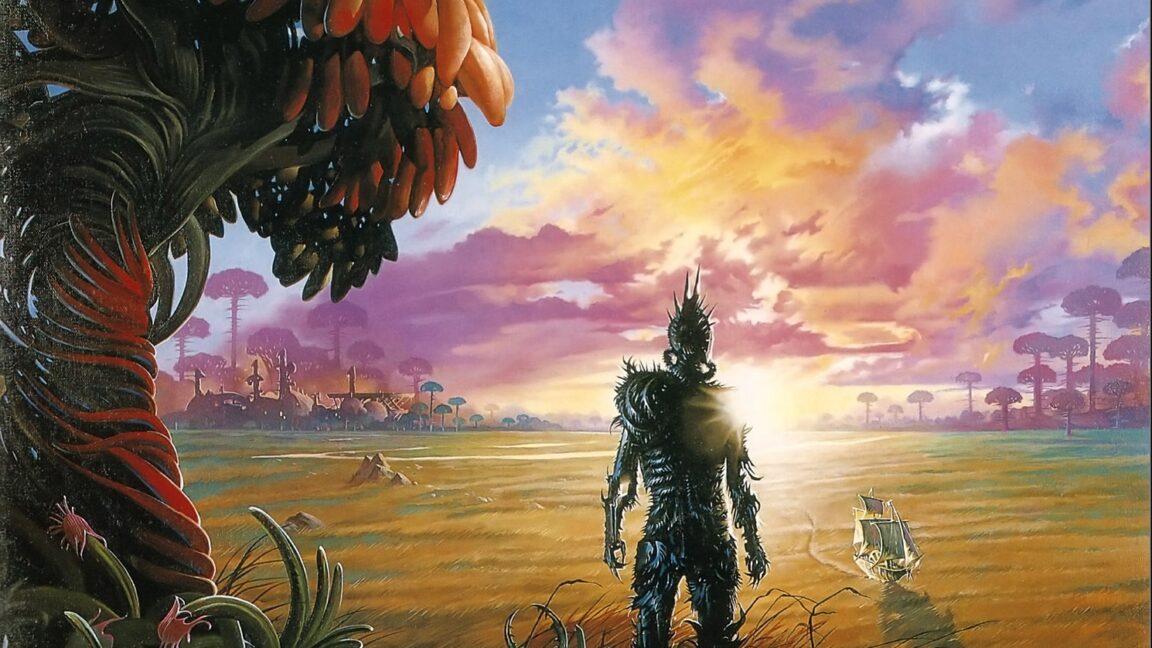
- Each character’s backstory reveals facets of a sprawling universe filled with tesla trees, cruciforms, and the enigmatic Shrike.
- The Time Tombs’ backward-time mechanics challenge both characters and readers to rethink causality and destiny.
- Simmons’ ability to weave theological questions into hard sci-fi sets Hyperion apart from typical genre fare.
A Series That Delivers
The Hyperion Cantos trilogy (plus a prequel) maintains its epic scope. While opinions vary on the sequels, the series concludes with a satisfying resolution rare in modern sci-fi. Simmons’ commitment to completing his vision—unlike many authors who leave series unfinished—cements his reputation as a storyteller who respects his audience.
The Legacy of Dan Simmons
Simmons’ career spanned horror, historical fiction, and science fiction. The Terror, his fictionalized account of Franklin’s lost expedition, showcased his versatility. Yet Hyperion remains his crowning achievement—a work that transcends categories and lingers in the imagination.








