Introduction to the Ratepayer Protection Pledge
The Trump administration has announced the Ratepayer Protection Pledge, an agreement where tech companies like Amazon, Google, and Microsoft will pay for new power generation and transmission capacities for their data centers. However, the agreement lacks enforcement mechanisms and ignores basic economics.
What’s Being Agreed To
The pledge includes five key points, with the first three being the most significant. Companies will pay for new generating capacity, transmission infrastructure, and cover costs whether the power is used or not. They will also consider allowing local grids to use on-site backup generators during emergencies.
Concerns and Limitations
There are concerns about the agreement’s effectiveness, as companies may struggle to live up to their pledges due to limited supplies of natural-gas-generating equipment. Additionally, the agreement does not address the potential for increased energy prices due to expanded use of natural gas.
Meeting Increased Demand with Natural Gas
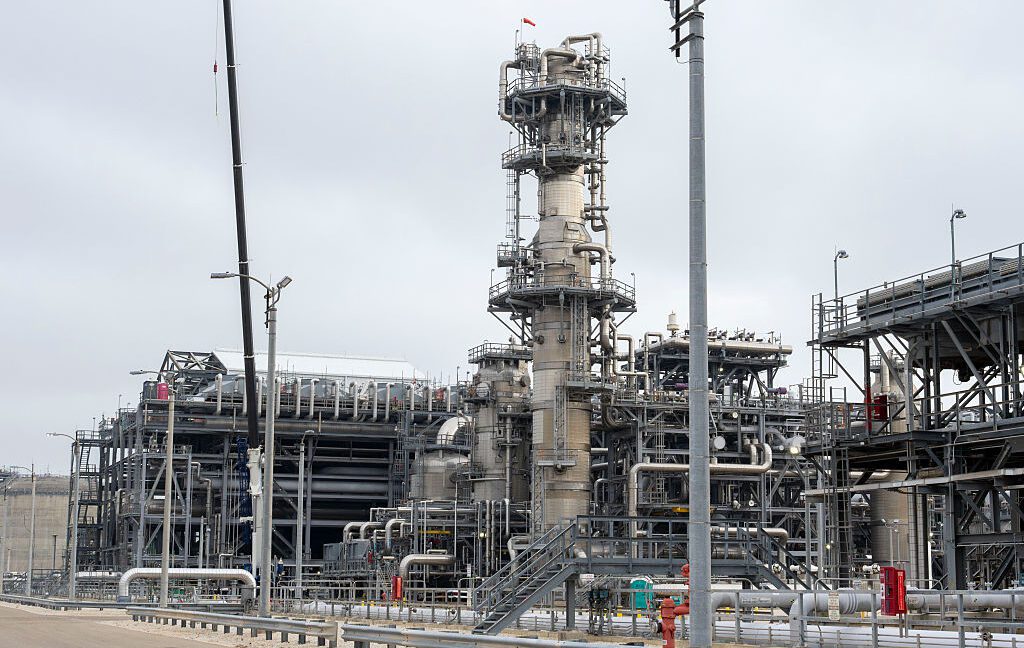
Meeting increased demand with natural gas has been complicated by growing exports. The US’s liquefied natural gas exports have forced utilities to shift to expensive coal generation, contributing to a 6 percent rise in consumer electricity costs in 2025 alone.
Alternatives to Natural Gas
Alternatives to natural gas, such as solar and batteries, are being installed at record paces. However, they are still more expensive than most natural gas plants. Nuclear power is also a questionable option due to the limited number of shuttered plants and the time it takes to deploy new reactors.
Conclusion
In conclusion, while the Ratepayer Protection Pledge may seem like a great idea, it has its limitations and concerns. The agreement lacks enforcement mechanisms, and companies may struggle to live up to their pledges. Furthermore, the expanded use of natural gas may lead to increased energy prices for consumers.