
DDR4 and DDR5 RAM Compatibility: The Future of PC Upgrades?
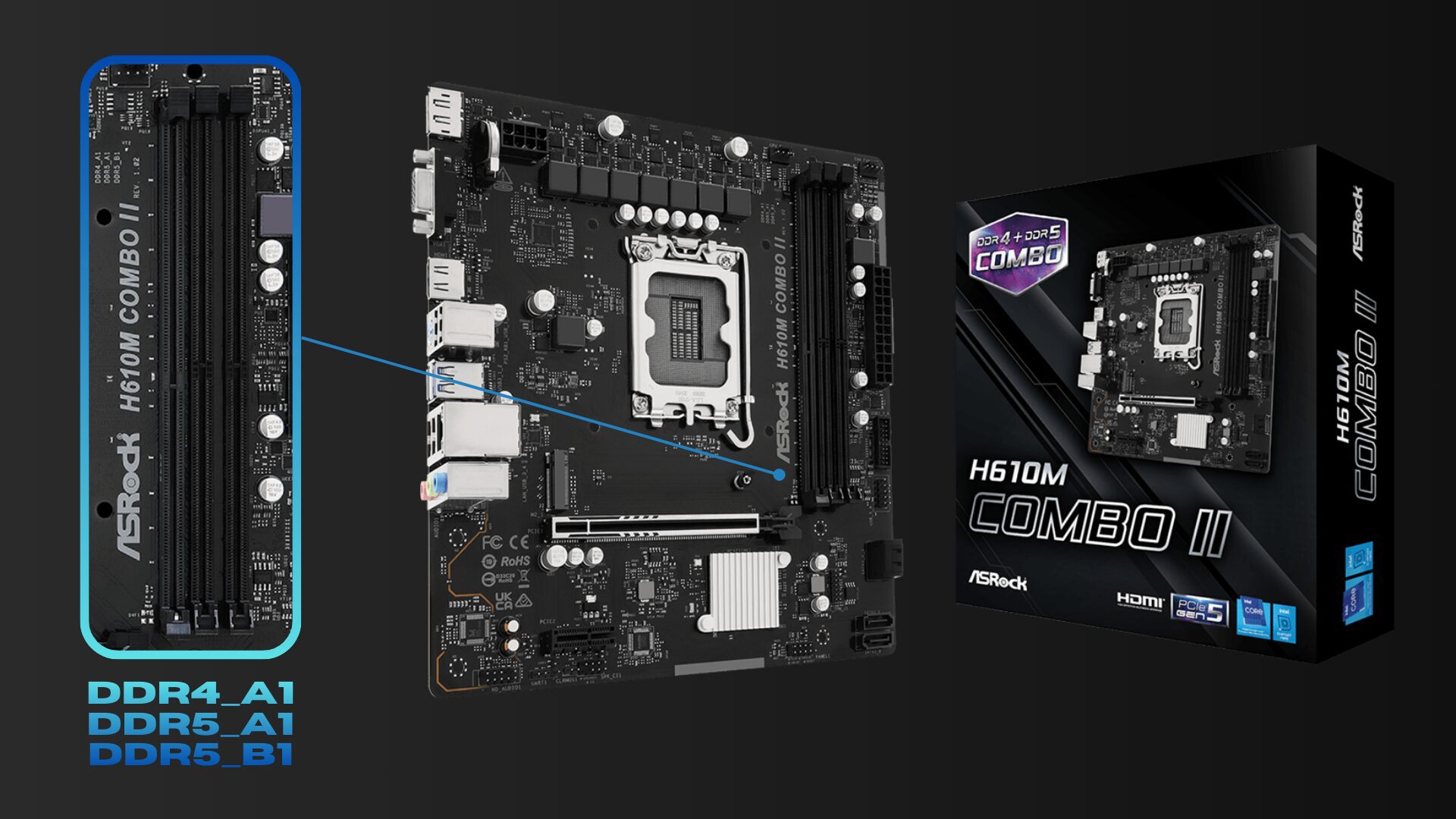
Imagine a motherboard with one DDR4 slot and two DDR5 slots. Sounds like a hardware paradox, right? ASRock’s latest creation has sparked debates about RAM compatibility and the future of PC building. This hybrid design isn’t just a gimmick—it’s a glimpse into a world where DDR4 and DDR5 RAM coexist. But what does this mean for users? Let’s break it down.
The ASRock Hybrid Motherboard: A Glimpse into the Future
ASRock’s new motherboard features an unusual configuration: one DDR4 slot and two DDR5 slots. While this might seem like a design flaw, it’s actually a strategic move. By blending DDR4 and DDR5, the board addresses a critical issue—how to transition users from older RAM standards to newer, faster ones without forcing a complete system overhaul.
Why This Design Matters
- Cost Efficiency: Users can upgrade incrementally, avoiding the need to replace all existing DDR4 modules.
- Performance Balance: DDR5 offers higher speeds and bandwidth, while DDR4 provides stability and lower costs.
- Future-Proofing: Manufacturers can design boards that support both standards during the transition period.
Why DDR4 and DDR5 Coexistence Matters
RAM compatibility isn’t just about technical specs—it’s about user flexibility. Here’s why DDR4 and DDR5 working together could reshape PC building:
1. Bridging the Gap Between Generations
DDR5 is faster and more efficient than DDR4, but DDR4 modules are still widely used. A hybrid motherboard allows users to phase out DDR4 while adopting DDR5, reducing waste and saving money.
2. Challenges for System Stability
Mixing RAM types isn’t without risks. Mismatched modules can cause instability or reduced performance. Manufacturers must ensure robust BIOS support to handle dual-standard configurations smoothly.
3. Market Implications
ASRock’s design signals a shift in how hardware is marketed. Expect more hybrid solutions as DDR5 adoption grows. However, this also raises questions about long-term support for DDR4-compatible boards.
What This Means for You
If you’re building or upgrading a PC, here’s what to consider:
- Check Compatibility: Ensure your motherboard and CPU support DDR5 if you plan to upgrade.
- Plan for the Future: Invest in DDR5 modules if you want peak performance, but don’t rush to discard DDR4.
- Stay Informed: Follow industry trends to avoid buying hardware that becomes obsolete too quickly.
Conclusion: The RAM Apocalypse Isn’t Here Yet
ASRock’s hybrid motherboard is a bold step toward a future where DDR4 and DDR5 RAM coexist. While the “RAM apocalypse” might be a dramatic label, it highlights the challenges of transitioning between standards. For now, this design offers a practical solution for users and manufacturers alike. As DDR5 adoption grows, expect more innovations that balance performance, cost, and sustainability.
Ready to future-proof your PC? Explore our guide to DDR5 upgrades and stay ahead of the curve.








