
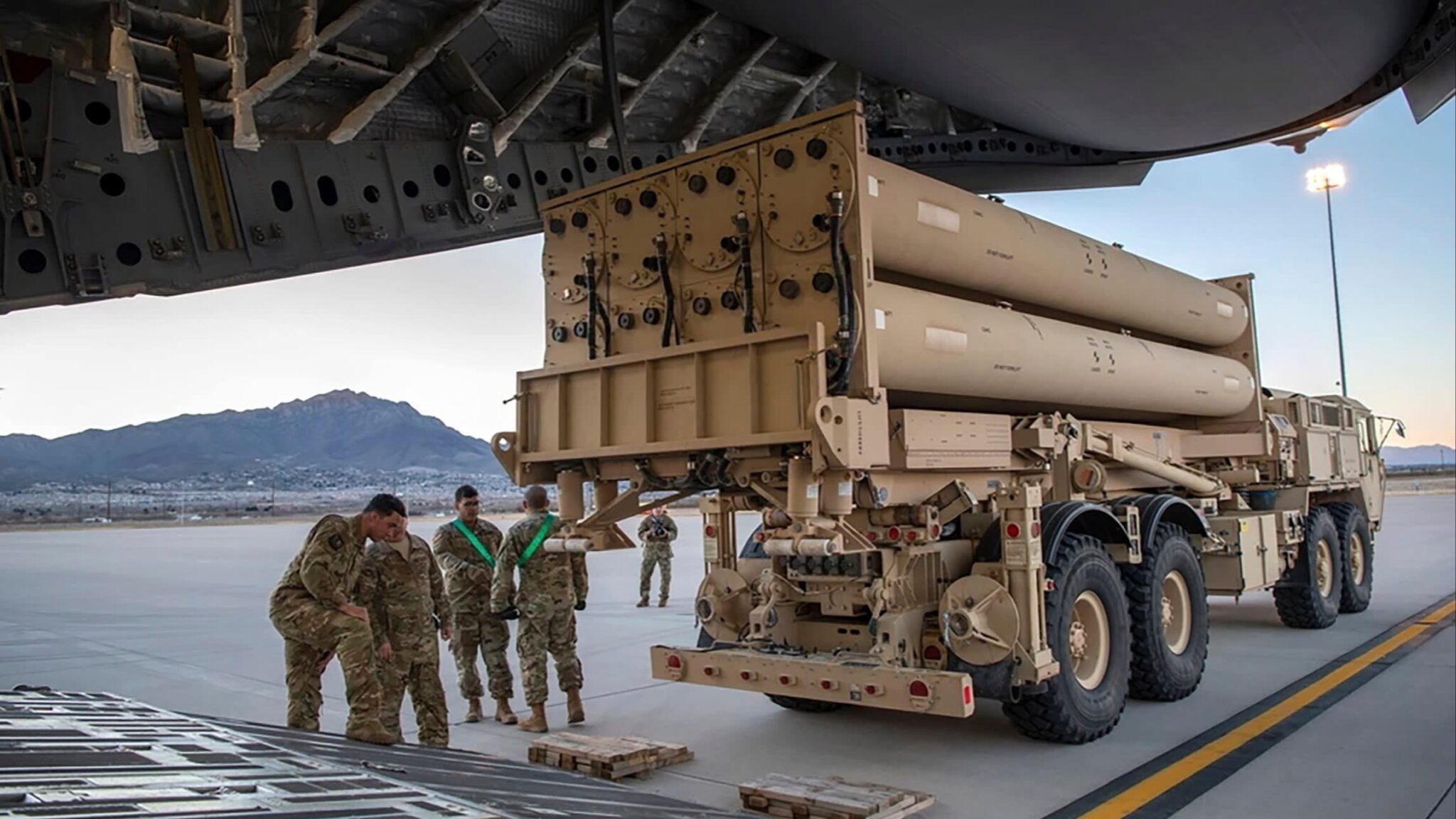
Understanding the Defensive Munition Shortages Crisis
Recent reports highlight a critical shortage of defensive munitions in global military stockpiles, raising alarms about readiness for potential conflicts. This issue isn’t just a logistical hiccup—it’s a strategic vulnerability with far-reaching consequences. From supply chain disruptions to geopolitical tensions, the shortage of essential military equipment is reshaping defense planning worldwide.
How Munition Shortages Affect Military Readiness
Defensive munition shortages directly impact a nation’s ability to respond to threats. For example, the U.S. Department of Defense has reported delays in replenishing artillery shells and small arms ammunition. These gaps force military planners to prioritize resources, often at the expense of training and readiness. In 2023, the U.S. Army had to cancel several live-fire exercises due to insufficient stockpiles.
Key Challenges in Munition Production
- Supply Chain Bottlenecks: Global reliance on a few key suppliers for critical components like propellants and electronics has exposed vulnerabilities.
- Industrial Capacity Gaps: Many defense manufacturers lack the infrastructure to scale production rapidly.
- Geopolitical Risks: Trade restrictions and sanctions complicate access to raw materials and technology.
Strategic Implications for Global Security
The shortage isn’t just a U.S. problem. NATO allies and partners are also grappling with similar issues. For instance, Germany’s Bundeswehr has delayed modernization plans due to delays in receiving advanced munitions. This creates a domino effect: reduced readiness in one ally weakens collective defense postures.
Adapting to the New Reality
Nations are adopting innovative solutions to mitigate shortages. The U.S. has accelerated investments in domestic production through programs like the Defense Production Act. Meanwhile, countries like Japan are diversifying suppliers and investing in 3D-printing technologies for rapid prototyping of components.
What’s Next for Military Strategy?
Defense leaders must balance short-term fixes with long-term planning. Here’s how they’re responding:
- Reassessing Stockpile Requirements: Modern conflicts demand more precision-guided munitions, requiring updated inventory models.
- Strengthening Alliances: Shared production facilities and joint procurement agreements are gaining traction.
- Investing in AI and Automation: Predictive analytics now help track inventory levels and forecast demand.
Conclusion: Building Resilience in Uncertain Times
Defensive munition shortages are a wake-up call for the global defense sector. By addressing supply chain weaknesses and embracing technological innovation, nations can reduce their vulnerability. However, the path forward requires collaboration, investment, and a willingness to rethink traditional approaches to military readiness.
FAQs
How do defensive munition shortages affect US military readiness?
Shortages force the U.S. military to prioritize limited resources, delaying training exercises and reducing the availability of critical equipment during emergencies.
What countries are most impacted by the munition crisis?
While the U.S. and NATO allies face significant challenges, smaller nations with limited industrial capacity—like Japan and South Korea—are particularly vulnerable.
Can private companies help solve the munition shortage?
Yes. Partnerships with defense contractors and tech firms are accelerating production of components like propellants and smart fuses.
How does this shortage compare to historical crises?
Unlike past shortages tied to specific conflicts, today’s crisis is systemic, driven by global supply chain issues and the shift to high-tech warfare.
What role does AI play in addressing the problem?
AI-powered logistics systems optimize inventory management, while machine learning models predict production bottlenecks before they occur.








