Dell AI Server Sales Surge: Stock Jumps 22% in Major Win
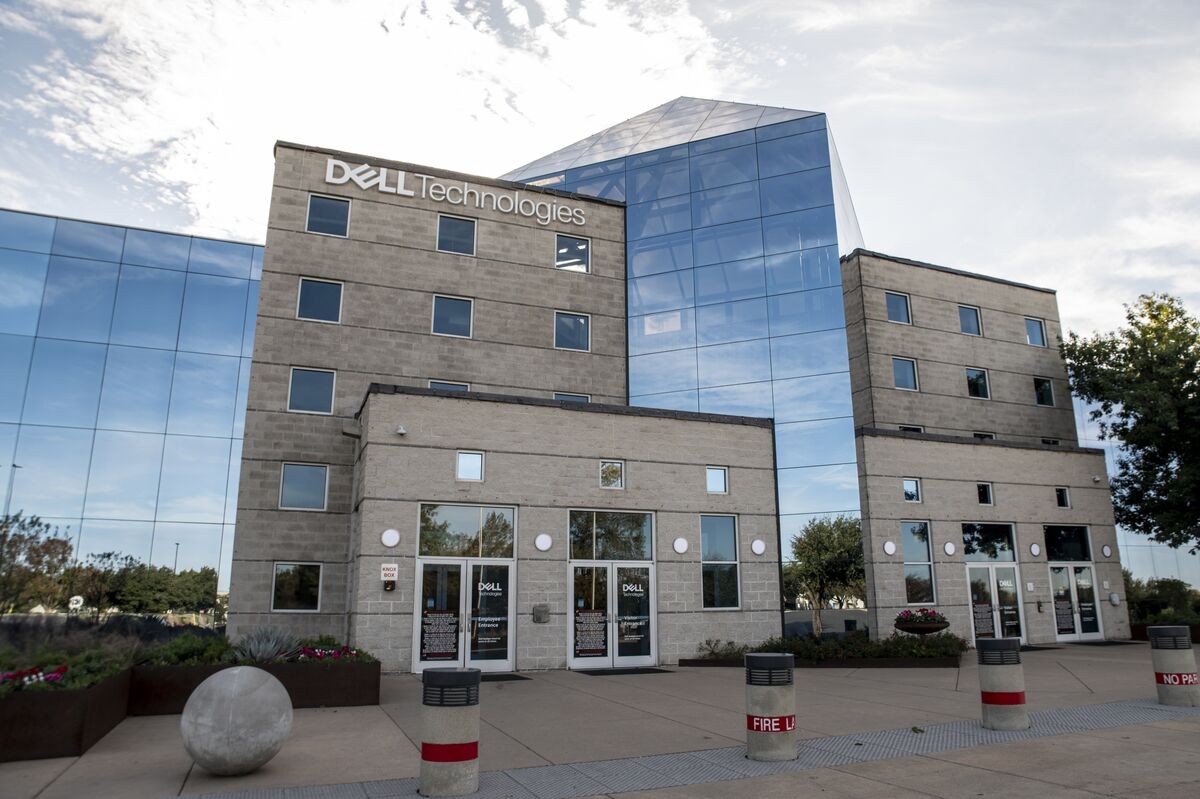
Dell Technologies made headlines this week as its stock closed up 22%, marking its largest single-day gain since March 2024. The surge followed the company’s announcement of a stronger-than-expected outlook for AI server sales. This development highlights the growing demand for AI infrastructure and positions Dell as a key player in the rapidly evolving tech landscape.
Understanding the Catalyst Behind Dell’s AI Server Sales Growth
The AI revolution is accelerating, and enterprises are scrambling to upgrade their data centers. Dell’s strategic focus on AI-ready infrastructure has paid off, with its servers now powering machine learning, generative AI, and cloud computing workloads. Analysts attribute the sales boost to three key factors:
- Increased Enterprise Adoption: Companies across industries are investing heavily in AI, driving demand for high-performance servers.
- Strategic Partnerships: Dell’s collaborations with AI chipmakers like NVIDIA have strengthened its offerings.
- Cloud Provider Demand: Major cloud platforms are expanding AI capabilities, requiring robust server infrastructure.
Why AI Server Sales Matter for Tech Stocks
AI server sales are a bellwether for tech industry health. When companies like Dell report strong growth in this segment, it signals confidence in AI’s economic potential. This isn’t just about hardware—it’s about enabling the next wave of innovation in healthcare, finance, and more.
The Broader Implications for Dell and the Tech Industry
Dell’s success in AI servers reflects a larger trend: the tech sector’s pivot toward AI-driven infrastructure. Here’s what this means for stakeholders:
1. Investor Confidence Boost
The 22% stock jump demonstrates investor trust in Dell’s AI strategy. With AI expected to generate $1.8 trillion in global economic value by 2030, companies that secure early market share stand to gain significantly.
2. Competitive Landscape Shifts
Dell now faces heightened competition from rivals like HPE and Lenovo, who are also ramping up AI server production. However, Dell’s enterprise customer base and cloud partnerships give it a unique edge.
3. Supply Chain Implications
Strong AI server demand is creating ripple effects across the supply chain. Chipmakers, data center providers, and software vendors are all benefiting from this surge, creating a virtuous cycle for the tech ecosystem.
What This Means for the Future of AI Infrastructure
Dell’s performance underscores a critical reality: AI isn’t just a buzzword—it’s a business imperative. As organizations prioritize AI adoption, the demand for specialized hardware will only grow. This trend is likely to drive further innovation in server design, energy efficiency, and AI-specific chip development.
Conclusion: A Win for Dell and AI Innovation
Dell’s 22% stock surge is more than a financial milestone—it’s a sign of the times. The company’s focus on AI servers aligns perfectly with the industry’s trajectory. For investors, this is a clear signal to monitor Dell’s progress closely. For tech professionals, it’s a reminder that AI infrastructure will shape the next decade of digital transformation.
Ready to stay ahead of the AI curve? Follow Dell’s AI server roadmap and track industry trends to position yourself for the future of technology.
FAQs
How did Dell’s AI server sales growth impact its stock price?
Dell’s stock closed up 22% after the company announced a stronger-than-expected outlook for AI server sales, reflecting investor confidence in its AI infrastructure strategy.
What factors are driving demand for AI servers?
Key drivers include enterprise AI adoption, strategic partnerships with chipmakers, and growing needs from cloud providers for AI-ready infrastructure.
How does Dell compare to competitors in the AI server market?
Dell holds a strong position due to its enterprise customer base and cloud partnerships, though it faces competition from HPE and Lenovo as they expand AI server offerings.
What industries are adopting AI servers most aggressively?
Healthcare, finance, and manufacturing are leading AI server adoption, using the technology for predictive analytics, automation, and generative AI applications.
What challenges might Dell face in sustaining AI server growth?
Challenges include supply chain constraints, rising chip costs, and the need to continuously innovate to meet evolving AI workloads.