Dell Pro Laptop Refresh: A Simpler Naming Strategy
Dell has shaken up its laptop lineup with a bold move: ditching the XPS, Latitude, and Inspiron names in favor of a streamlined “Pro” branding. This shift, part of a broader 2025 rebrand, aims to simplify product identification for consumers while emphasizing performance and design upgrades. Let’s break down what this means for users and why it matters.
Why Dell Ditched Apple-Style Naming
In 2025, Dell faced backlash after adopting iPhone-like names like “Dell Pro Max.” Consumer confusion and a growing fatigue with AI-centric marketing led to a U-turn. By 2026, the XPS brand returned, but the core laptop lineup now uses Pro 3, Pro 5, Pro 7, and Pro 14 Premium labels. This change prioritizes clarity over trend-chasing.
The 2025 Rebrand Fallout
The initial rebrand removed decades-old names like Latitude (enterprise) and Inspiron (consumer). While the company aimed for modernity, users struggled to differentiate models. For example, “Dell Pro Plus” lacked the intuitive appeal of “XPS 13.”
Reviving XPS for AI Fatigue
By January 2026, Dell reintroduced XPS for its premium laptops. This move acknowledges that consumers still crave recognizable branding, especially as AI features become standard. The Pro series now fills the gap for business users seeking enterprise-grade reliability without the XPS premium price tag.
What’s New in the Dell Pro Lineup?
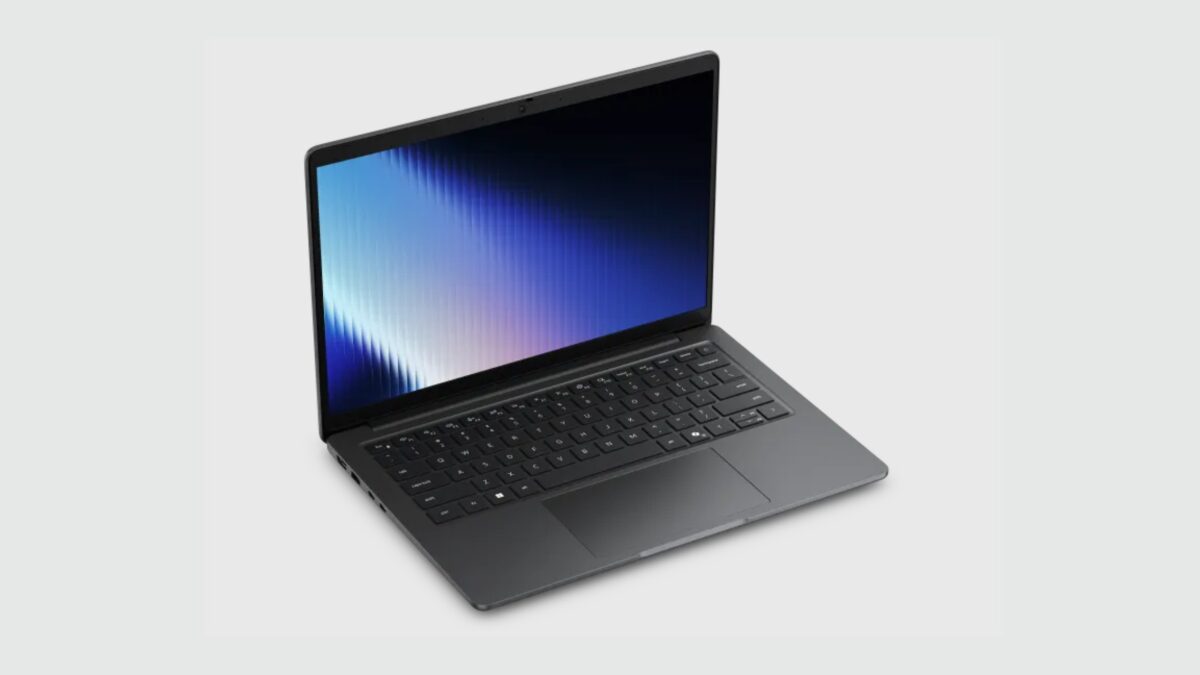
The Pro series now offers three key models: Pro 3 (entry-level), Pro 5 (mid-tier), and Pro 7 (flagship), plus the Pro 14 Premium. Each targets specific user needs:
- Pro 3: Budget-friendly option for basic productivity, competing with the MacBook Neo.
- Pro 5: Balanced performance for everyday professionals.
- Pro 7: Thinnest model with advanced cooling and a 24% larger battery.
- Pro 14 Premium: Executive-grade magnesium chassis, 7% thinner than previous models.
Design and Performance Upgrades
Dell redesigned mainboards to reduce size by 31%, freeing space for better cooling and battery capacity. The Pro 7 13, for instance, features a 50% airflow improvement and 31% quieter fans at full load. These changes make the laptops more durable for heavy workloads.
AI Chip Integration
All Pro models now support Intel Core Ultra Series 3 (“Panther Lake”) or AMD Ryzen AI 400-series (“Gorgon Point”) chips. With up to 64GB RAM and 2TB SSD storage, they cater to AI-driven workflows while keeping costs in check.
Why This Matters for Users
The Pro series addresses two key pain points: complexity and performance. By simplifying naming, Dell helps users quickly identify the right laptop for their needs. Meanwhile, design improvements ensure these machines handle modern workloads efficiently.
Who Benefits?
- Business Users: The Pro 14 Premium’s magnesium build and enterprise features suit executives on the go.
- Students: The Pro 3’s affordability and AI chips make it ideal for basic tasks.
- Power Users: The Pro 7’s cooling system and battery life support intensive applications.
Final Thoughts: Is This a Win for Dell?
Dell’s Pro laptop refresh shows a commitment to user-centric design. While the naming shift may take time to sink in, the tangible improvements in performance and usability are hard to ignore. For businesses and individuals seeking reliable, future-proof laptops, the Pro series is worth a closer look.
Ready to upgrade? Explore the Dell Pro lineup and compare specs to find your perfect match.