
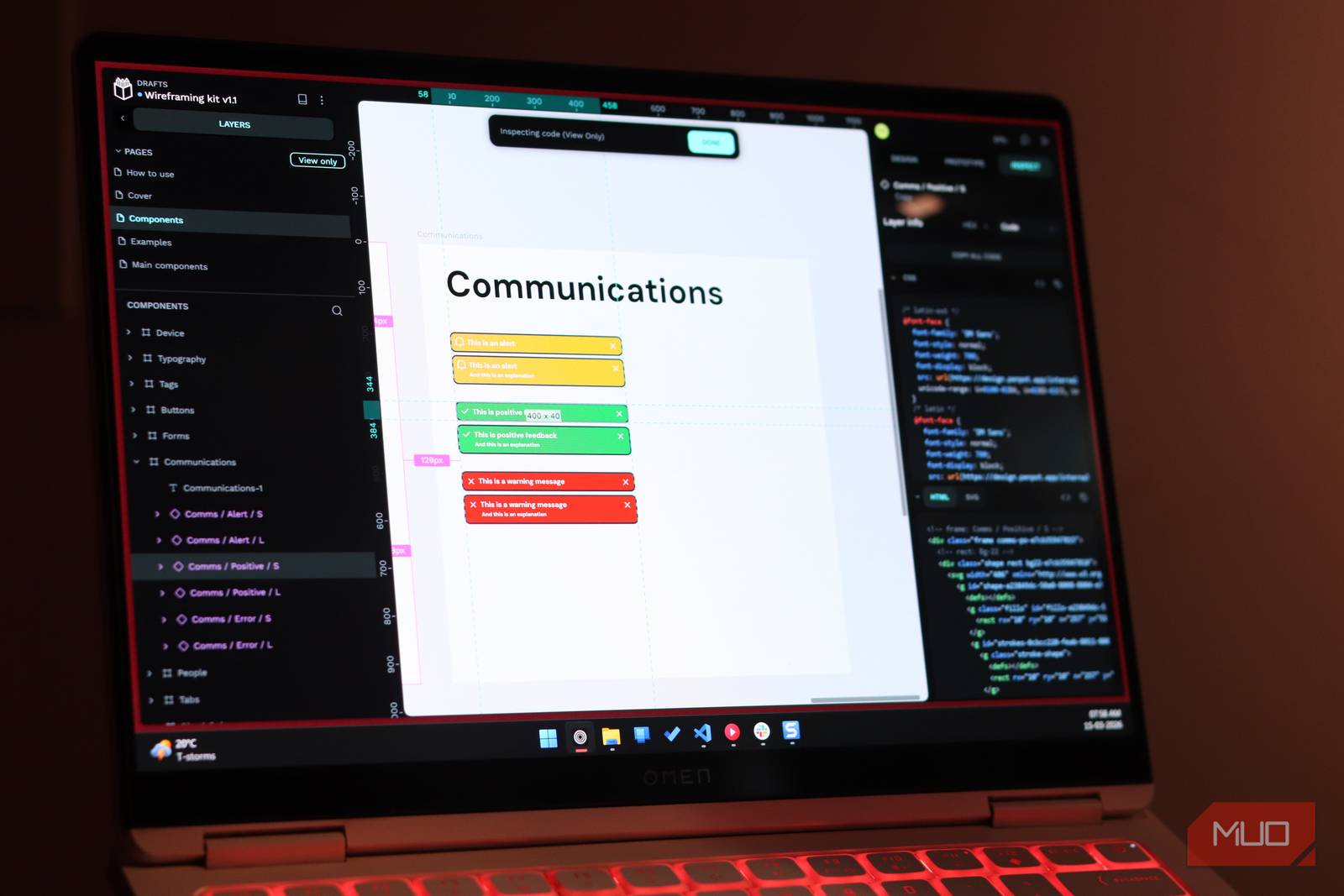
A Game-Changing Design Tool
As a tech enthusiast, I’m always on the lookout for innovative tools that can simplify my workflow. Recently, I stumbled upon a free open-source design tool that has completely changed my design game. In fact, it’s so good that I’ve decided to cancel my Figma subscription.
What Makes This Tool So Special?
For example, the tool’s intuitive interface and robust features make it an ideal choice for designers of all levels. Additionally, its open-source nature means that it’s constantly evolving, with a community of developers contributing to its growth. Meanwhile, the tool’s flexibility and customization options are unparalleled, allowing users to tailor their design experience to their specific needs.
Key Features and Benefits
Some of the key features that won me over include:
- Real-time collaboration and feedback
- Advanced design and prototyping capabilities
- Seamless integration with other tools and platforms
- A vast library of plugins and extensions
Furthermore, the tool’s focus on community and user feedback means that it’s always improving, with new features and updates being added regularly. However, what really sets it apart is its commitment to accessibility and affordability, making it an attractive option for designers on a budget.
Why I Chose to Ditch Figma
So, what made me decide to cancel my Figma subscription and switch to this new tool? For one, the cost savings were significant, as the open-source tool is completely free to use. Additionally, the tool’s flexibility and customization options far surpassed those of Figma, allowing me to work more efficiently and effectively.
A Comparison of Features and Pricing
Here’s a comparison of the two tools:
- Features: The open-source tool offers a wider range of features, including advanced design and prototyping capabilities, real-time collaboration, and a vast library of plugins and extensions.
- Pricing: The open-source tool is completely free, while Figma offers a range of pricing plans, including a free version with limited features.
Therefore, when it comes to choosing a design tool, it’s clear that the free open-source option is the way to go. Not only does it offer more features and better value, but it’s also constantly evolving and improving, thanks to its active community of developers.
Conclusion and Next Steps
In conclusion, my experience with the free open-source design tool has been nothing short of amazing. With its intuitive interface, robust features, and commitment to accessibility and affordability, it’s the perfect choice for designers of all levels. Finally, if you’re looking for a design tool that can help you take your workflow to the next level, I highly recommend giving this tool a try.








