DJI Romo Vacuum Security Flaw Exposed Sensitive Data
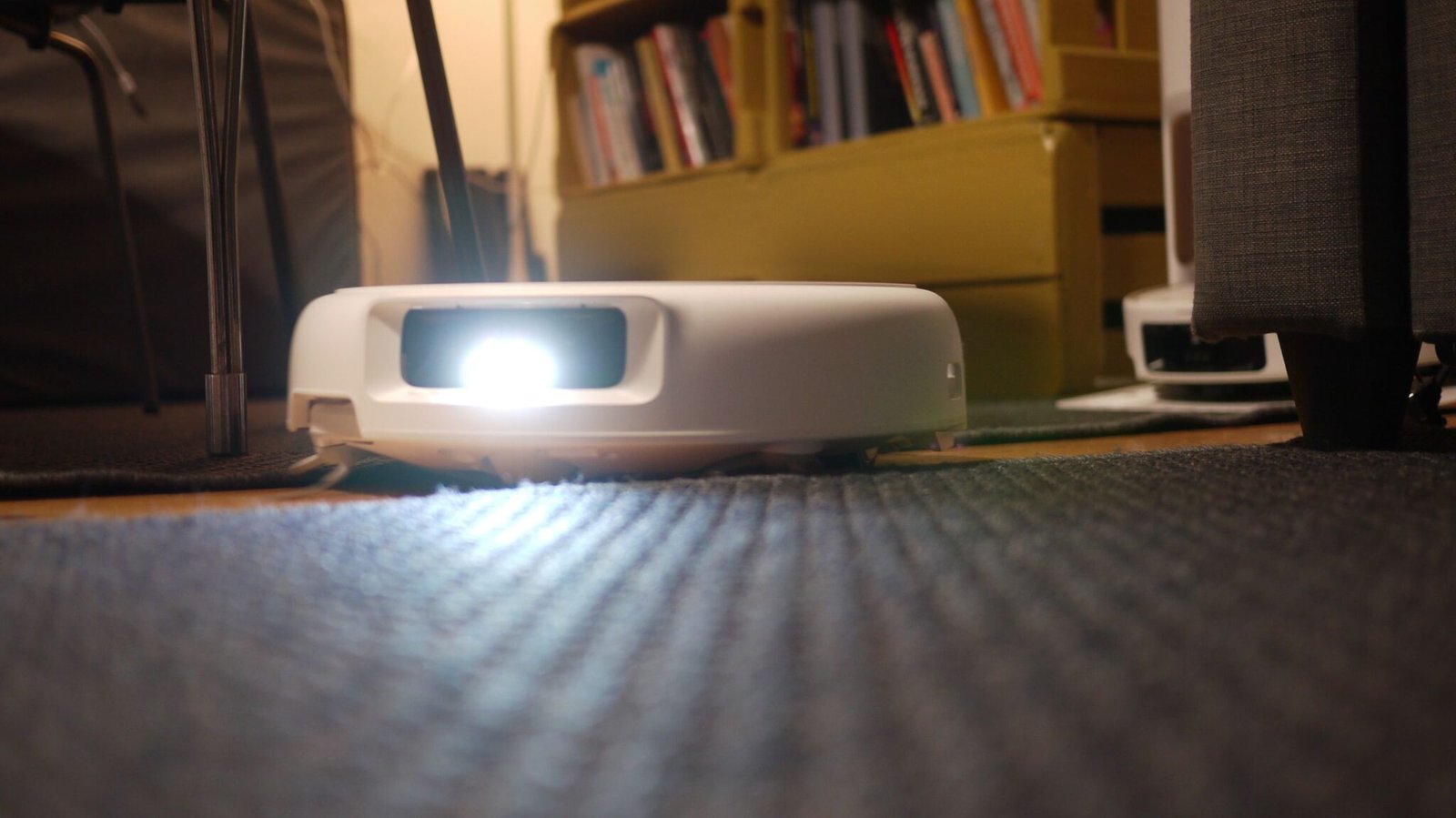
In February 2026, a curious tinkerer accidentally uncovered a major security vulnerability in DJI Romo robot vacuums. The discovery revealed that thousands of devices worldwide were storing sensitive data—including floor plans and live video feeds—in plain text on servers. This accidental breach highlights critical gaps in IoT device security and raises urgent questions about data protection for smart home users.
How the Security Flaw Was Discovered
Sammy Azdoufal, an AI strategist, was experimenting with his Romo vacuum to control it via a PlayStation controller when he noticed an unexpected issue. The device’s communication protocol returned private access tokens for over 6,700 other Romo units globally. Crucially, Azdoufal did not hack the system or bypass encryption. Instead, the flaw lay in how DJI stored device data—unprotected and accessible to anyone with the right technical knowledge.
Technical Details of the Vulnerability
- Unencrypted Data Storage: Sensitive information like floor plans and video feeds was stored in plain text on servers.
- Broken Access Controls: The system allowed cross-device access without proper authentication.
- Encryption Misapplication: While communication between devices and servers was encrypted, server-side storage lacked basic protections.
Remaining Security Risks
DJI responded quickly by issuing software updates to address the most severe issues. However, two critical vulnerabilities persist:
- Unprotected Video Streaming: Users can still stream live video without entering a security PIN.
- Undisclosed Flaw: DJI withheld details about a second vulnerability due to its severity.
These unresolved issues underscore the need for stronger server-side security measures in IoT ecosystems.
Broader Implications for IoT Security
This incident is not isolated. Similar vulnerabilities have been found in other smart devices, such as iRobot’s Roomba and iLife vacuums. These cases reveal a pattern where convenience often overshadows security in product design:
- Cloud connectivity is prioritized over local data storage.
- Default settings may expose users to unintended risks.
- Manufacturers sometimes remotely disable devices if users block data reporting.
Protecting Your Smart Home Devices
While manufacturers must improve security, users can take proactive steps:
- Network Segmentation: Isolate IoT devices on a separate Wi-Fi network.
- Firewall Rules: Monitor and restrict unusual outbound traffic.
- Regular Updates: Enable automatic firmware updates for all smart devices.
- Privacy Controls: Disable unnecessary features like live video streaming when not in use.
Why This Matters for Consumers
The Romo incident demonstrates how even minor design flaws can create major privacy risks. Attackers could exploit similar vulnerabilities to access:
- Live video feeds from homes
- Audio recordings from vacuum microphones
- 3D floor plans of private spaces
These risks are amplified by the growing number of interconnected devices in modern households.
Key Takeaways for Smart Device Users
1. Verify Security Claims: Manufacturers often promise data protection, but this case shows that promises don’t always match reality.
2. Stay Informed: Follow security advisories for your devices and apply updates promptly.
3. Balance Convenience and Risk: Consider whether the benefits of smart features outweigh potential privacy trade-offs.
Conclusion
The DJI Romo security flaw serves as a wake-up call for both consumers and manufacturers. While this vulnerability was responsibly reported and partially addressed, it highlights systemic issues in IoT security. As smart devices become more prevalent, robust data protection must become a non-negotiable priority—not an afterthought.
Call to Action: Review your smart home devices for security updates. If you own a Romo vacuum, ensure you’ve applied the latest firmware. For broader protection, consider using network monitoring tools to detect unusual device activity.