Do Water Filter Pitchers Work on PFAS?
With the EPA announcing that up to 10 percent of US water systems may have unsafe levels of PFAS, also known as “forever chemicals,” in the water, it’s no wonder that water filters are in high demand. However, with so many options available, it can be overwhelming to sort out which water claims are credible.
Understanding NSF/ANSI Water Filter Standards
To verify the claims of water filter makers, it’s essential to look for independent certifications and testing. The most reliable form of certification is testing against NSF/ANSI standards. The NSF, formerly called the National Sanitation Foundation, is a Michigan-based, nongovernmental nonprofit that develops and verifies adherence to a number of different testing standards—including those for water filters.
There are three main NSF/ANSI standards that apply to filters for home drinking water: NSF-ANSI 42, NSF/ANSI 53, and NSF/ANSI 401. These standards certify the removal of substances that affect the taste and odor of water, as well as harmful compounds like lead, arsenic, and PFAS.
How to Verify Independent Lab Testing of Water Filters
To verify independent lab testing of water filters, you can check the websites of three main lab bodies accredited by ANSI to test to NSF/ANSI standards: NSF, The Water Quality Association (WQA), and IAPMO (The International Association of Plumbing and Mechanical Officials). You can search for products by name, product type, and the contaminant that has you most worried.
For example, the NSF has a product search that allows you to look up products by name, to see whether they’ve been certified by the NSF. The WQA website’s product search allows you to search by product name, product type, and the contaminant that has you most worried. IAPMO (The International Association of Plumbing and Mechanical Officials) is a century-old organization with an ANSI-certified lab called IAPMO R&T.
A Case Study: Clearly Filtered Water Pitcher
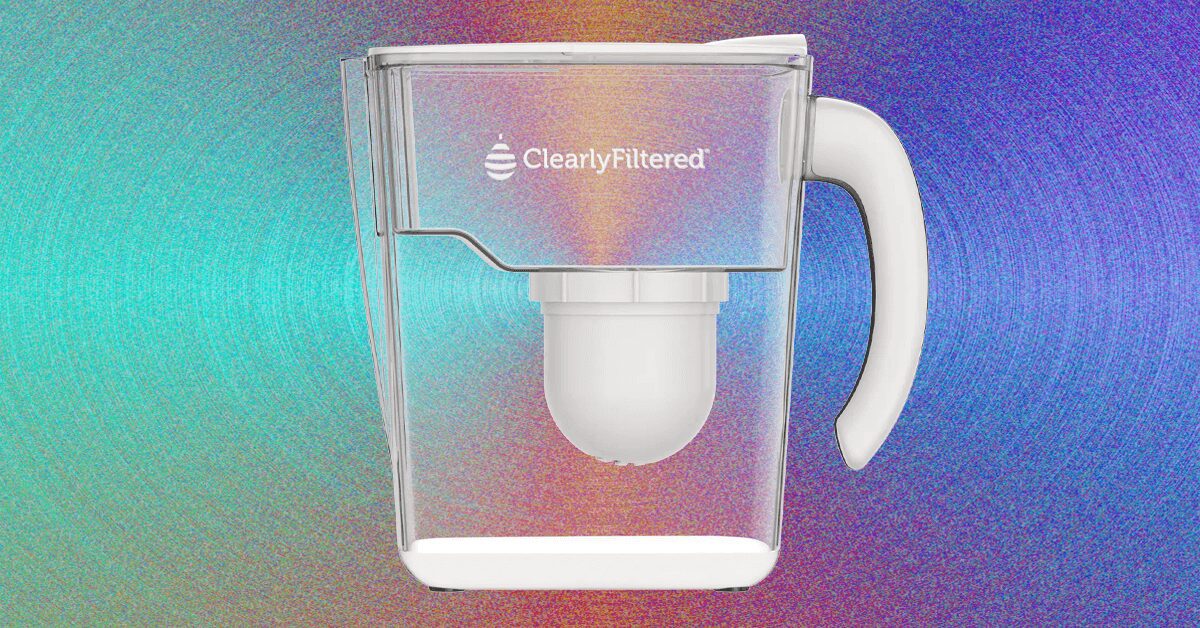
Let’s take a look at the Clearly Filtered water pitcher, which promises near-total removal of up to 365 contaminants ranging from PFAS to ammonia to basic sulfites, while leaving helpful minerals like calcium and magnesium intact. To check credibility, we can click into the brand’s performance results page, to see the source of those claims.
In this case, it’s testing by an independent lab, a division of IAPMO called QFT, which itself has been certified as an international testing laboratory capable of testing to NSF/ANSI standards. However, tests were conducted in 2021, which means some testing protocols may have changed in the meantime.
Clearly Filtered’s water pitcher is certified to NSF standards for chlorine removal, and separately for lack of lead in its manufacturing processes. Additionally, Clearly Filtered was among the first of its kind to be certified for PFAS and PFOA removal by the WQA, according to NSF/ANSI standard 53.
Conclusion and Call to Action
In conclusion, when it comes to choosing a water filter pitcher, it’s essential to do your research and look for independent certifications and testing. By understanding NSF/ANSI water filter standards and verifying independent lab testing, you can make an informed decision and ensure that your drinking water is safe and clean.
So, what are you waiting for? Start your search for the perfect water filter pitcher today and take the first step towards cleaner, healthier drinking water. Meanwhile, don’t forget to check the product reviews and ask questions before making a purchase. Finally, remember to always prioritize your health and safety when it comes to your drinking water.
Frequently Asked Questions
- What are PFAS, and why are they a concern in drinking water? PFAS, or per- and polyfluoroalkyl substances, are a group of chemicals that have been linked to various health problems, including cancer and reproductive issues.
- How can I verify the claims of water filter makers? You can verify the claims of water filter makers by looking for independent certifications and testing, such as NSF/ANSI standards.
- What is the difference between NSF/ANSI 42, NSF/ANSI 53, and NSF/ANSI 401? NSF/ANSI 42 certifies the removal of substances that affect the taste and odor of water, while NSF/ANSI 53 certifies the removal of harmful compounds like lead, arsenic, and PFAS. NSF/ANSI 401 certifies the filtering of emerging compounds and incidental contaminants.
- Can I trust the claims of water filter companies? While some water filter companies may make exaggerated claims, you can trust the claims of companies that have been certified by independent labs and adhere to NSF/ANSI standards.
- How often should I replace my water filter pitcher? The frequency of replacement depends on the type of filter and the amount of use. Generally, it’s recommended to replace your water filter pitcher every 6-12 months.