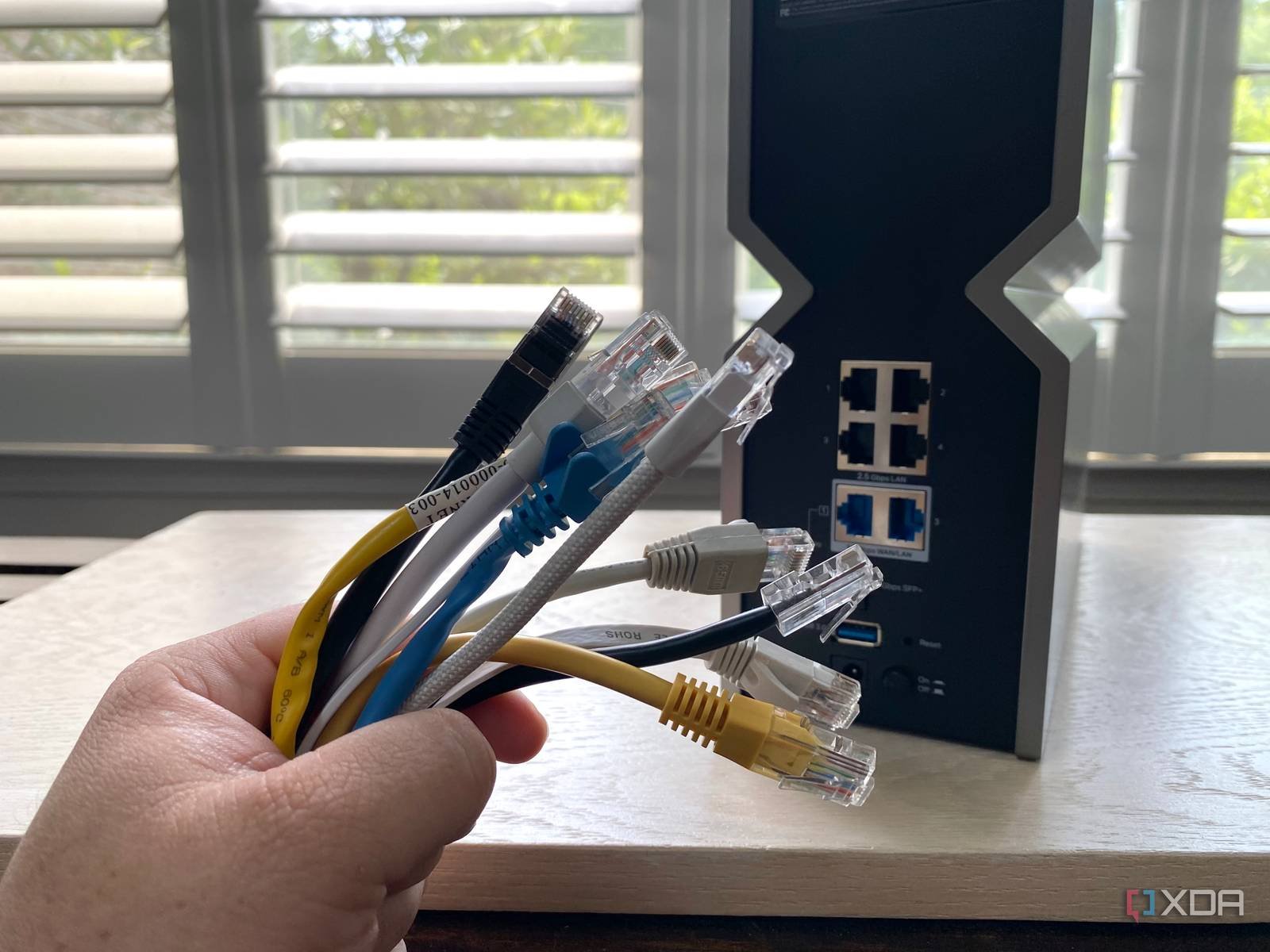
Introduction to Ethernet Cable Testing
When dealing with slow internet speeds, it’s easy to point fingers at our routers. However, before making any conclusions, it’s essential to test our Ethernet cables. Meanwhile, many of us overlook this crucial step, which can lead to unnecessary upgrades or replacements. Additionally, understanding the importance of Ethernet cable testing can save us time and money in the long run.
For example, a faulty Ethernet cable can cause significant disruptions to our internet connection. Therefore, it’s vital to identify and address any issues with our cables before moving on to other potential causes. Furthermore, regular testing can help prevent problems from arising in the first place.
The Role of Ethernet Cables in Internet Speed
Ethernet cables play a critical role in determining our internet speeds. However, they can also be a source of bottlenecks if not functioning correctly. Meanwhile, many of us assume that our routers are the primary cause of slow speeds, when in fact, the issue may lie with our cables. Additionally, using high-quality Ethernet cables can significantly improve our internet speeds and overall online experience.
Moreover, with the increasing demand for faster internet speeds, the importance of Ethernet cable testing cannot be overstated. Therefore, it’s crucial to invest in good-quality cables and regularly test them to ensure optimal performance. Furthermore, this can help us take full advantage of our internet plans and enjoy a seamless online experience.
How to Test Your Ethernet Cables
Testing your Ethernet cables is a relatively straightforward process. However, it does require some basic knowledge of networking and cable testing tools. Meanwhile, there are several methods to test Ethernet cables, including using cable testers or network analyzers. Additionally, these tools can help identify any issues with our cables and provide us with valuable insights into their performance.
For instance, cable testers can detect faults such as opens, shorts, or miswires, which can cause significant disruptions to our internet connection. Therefore, it’s essential to use these tools to test our cables and ensure they are functioning correctly. Furthermore, this can help us prevent unnecessary downtime and ensure a stable internet connection.
Common Issues with Ethernet Cables
There are several common issues that can affect the performance of our Ethernet cables. However, by being aware of these issues, we can take steps to prevent them and ensure optimal performance. Meanwhile, some of the most common problems include damaged or faulty cables, incorrect cable installation, and interference from other devices.
Additionally, using cables that are not compatible with our devices can also cause significant issues. Therefore, it’s crucial to choose cables that are compatible with our devices and meet our specific needs. Furthermore, this can help us avoid any potential problems and ensure a seamless online experience.
Best Practices for Ethernet Cable Management
Proper cable management is essential for maintaining the performance and longevity of our Ethernet cables. However, this can be a challenging task, especially in large networks or data centers. Meanwhile, there are several best practices that can help us manage our cables effectively, including labeling and organizing cables, using cable ties or clips, and avoiding over-bending or twisting.
For example, labeling our cables can help us quickly identify any issues and make it easier to troubleshoot problems. Therefore, it’s essential to use a clear and consistent labeling system to ensure that our cables are easily identifiable. Furthermore, this can help us save time and reduce the risk of errors or downtime.
Conclusion
In conclusion, Ethernet cable testing is a critical step in maintaining the performance and reliability of our internet connections. However, it’s often overlooked, and we blame our routers for slow speeds instead. Meanwhile, by testing our Ethernet cables regularly, we can identify and address any issues, ensuring optimal performance and preventing unnecessary upgrades or replacements. Additionally, by following best practices for cable management, we can further improve the longevity and performance of our cables.
Therefore, the next time you experience slow internet speeds, don’t blame your router just yet. Instead, take the time to test your Ethernet cables and ensure they are functioning correctly. Furthermore, by doing so, you can enjoy a faster, more reliable internet connection and take full advantage of your online experience.
Frequently Asked Questions
Here are some frequently asked questions about Ethernet cable testing:
- Q: Why is Ethernet cable testing important? A: Ethernet cable testing is crucial for maintaining the performance and reliability of our internet connections.
- Q: How often should I test my Ethernet cables? A: It’s recommended to test your Ethernet cables regularly, especially after any changes or upgrades to your network.
- Q: What are some common issues with Ethernet cables? A: Common issues include damaged or faulty cables, incorrect cable installation, and interference from other devices.
- Q: How can I improve the performance of my Ethernet cables? A: You can improve the performance of your Ethernet cables by using high-quality cables, following best practices for cable management, and regularly testing your cables.
- Q: Can I use any Ethernet cable for my device? A: No, it’s essential to choose an Ethernet cable that is compatible with your device and meets your specific needs.