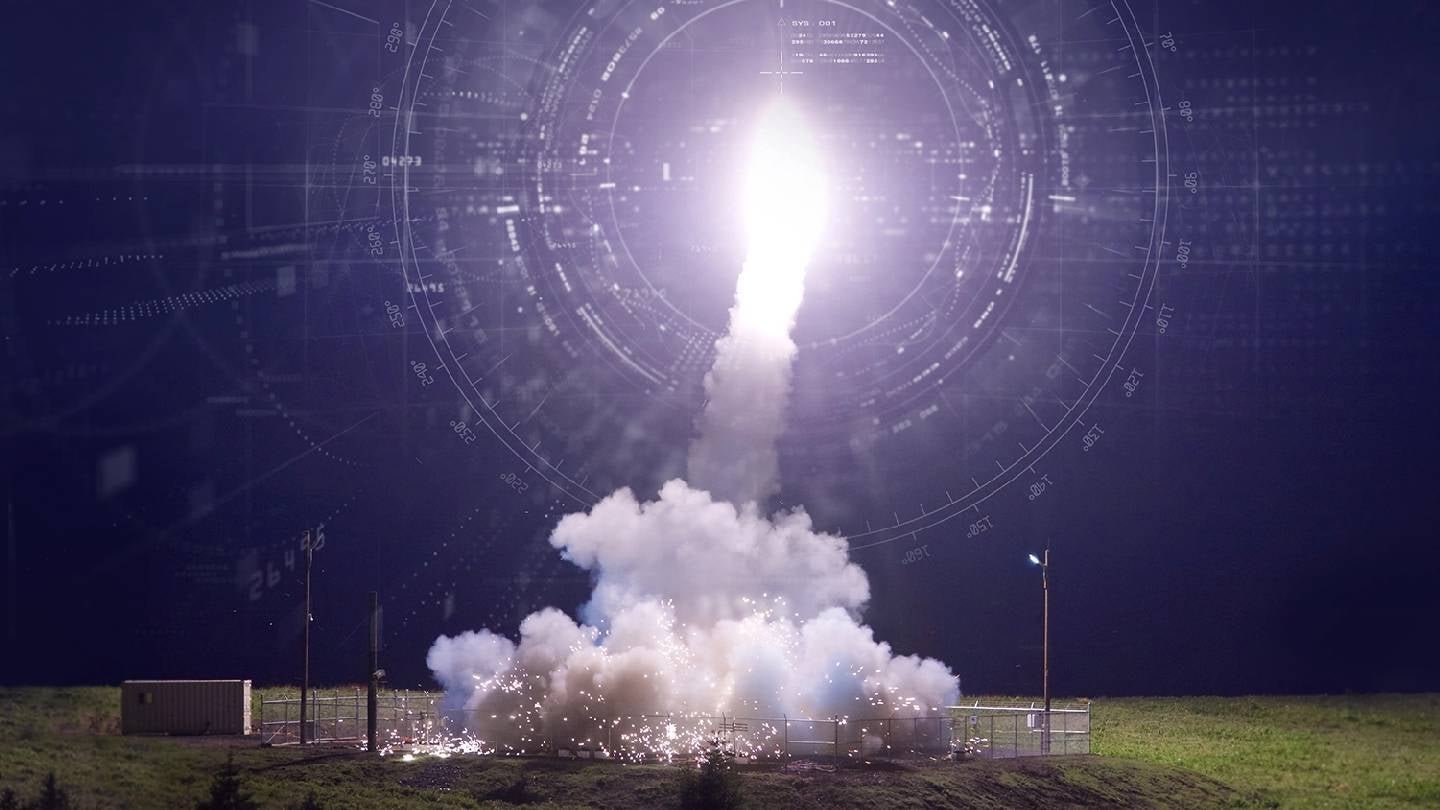
DoW, BAE Systems to Quadruple THAAD Seeker Production
In a strategic move to bolster U.S. missile defense capabilities, the Department of War (DoW) has announced a landmark agreement with BAE Systems and Lockheed Martin to quadruple production of infrared seekers for the Terminal High Altitude Area Defense (THAAD) system. This decision comes amid heightened global tensions and strained U.S. weapons stockpiles due to ongoing operations against Iran and support for Ukraine.
Why THAAD Seeker Production Matters
The THAAD seeker is a critical component of the missile defense system, enabling interceptors to detect and neutralize ballistic missiles traveling at speeds exceeding 17,000 miles per hour. By enhancing seeker production, the DoW aims to ensure rapid deployment of these advanced defense systems to military personnel worldwide.
Key Details of the Agreement
- BAE Systems will expand manufacturing at facilities in Nashua, New Hampshire, and Endicott, New York.
- Lockheed Martin will simultaneously quadruple overall THAAD interceptor production.
- The initiative aligns with the DoW’s Acquisition Transformation Strategy to accelerate technology deployment.
Strategic Implications and Industry Impact
Under Secretary of War for Acquisition and Sustainment, Michael Duffey, emphasized the importance of securing the supply chain: “This agreement provides long-term demand certainty, enabling partners to invest, expand, and hire.” BAE Systems CEO Tom Arseneault added that the deal reinforces industry collaboration to “rapidly deliver superior technology at scale.”
Broader Defense Modernization Efforts
The THAAD agreement follows a separate $4.94 billion contract with Lockheed Martin to accelerate Precision Strike Missile (PrSM) production. These moves reflect a broader push to modernize U.S. military capabilities through digital engineering and facility upgrades.
Context: U.S. Weapons Stockpiles Under Pressure
According to recent reports, U.S. military operations in the Middle East and support for Ukraine have significantly reduced stockpiles. The White House has requested $200 billion in additional funding to address these challenges. As of March 2026, U.S. Central Command has confirmed strikes on over 9,000 targets and damaged 140 Iranian vessels in ongoing operations.
What This Means for National Security
- Increased THAAD production ensures readiness against ballistic missile threats.
- Stable supply chains reduce risks of operational delays during conflicts.
- Investments in BAE and Lockheed Martin facilities create jobs and boost domestic manufacturing.
Conclusion: A War-Footed Industrial Base
The DoW’s agreements with BAE Systems and Lockheed Martin mark a pivotal step toward a war-ready industrial base. By prioritizing long-term partnerships and technological innovation, the U.S. military aims to maintain a decisive edge in global security. As tensions persist, these strategic investments will play a critical role in safeguarding national interests.
Stay informed on defense advancements and geopolitical developments. Subscribe to our newsletter for real-time insights.