
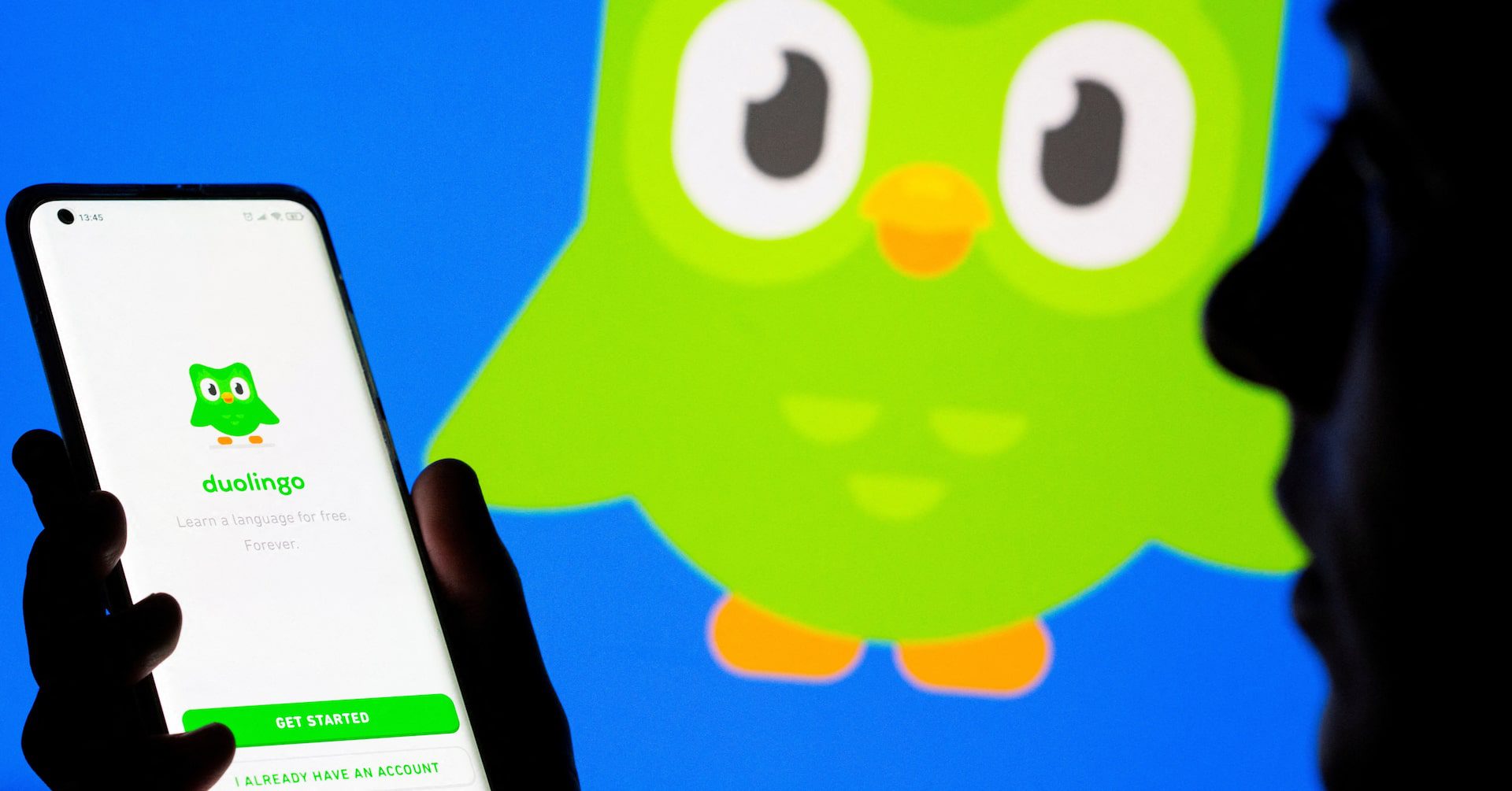
Duolingo Q4 Revenue Growth: What Investors Need to Know
Duolingo’s Q4 2024 revenue surged 35% year-over-year to $282.9 million, marking a significant milestone for the language-learning giant. However, the company’s forecast for 2026 bookings fell below expectations, sending shares down 20% in after-hours trading. This mixed performance highlights the challenges of balancing rapid revenue growth with sustainable user expansion in a competitive market.
Duolingo Q4 Revenue Growth: A Closer Look
The 35% revenue increase reflects strong demand for Duolingo’s subscription-based services, driven by its free-to-play model and global user base. With over 100 million monthly active users, the platform has capitalized on the growing interest in accessible education and skill-building tools. Key drivers include:
- Expanded content library (e.g., coding, music, and test prep courses)
- Strategic partnerships with schools and universities
- Improved monetization through in-app purchases and ads
Market Position and Competitive Landscape
Duolingo’s success stems from its ability to differentiate itself in the crowded edtech space. Unlike competitors like Babbel or Rosetta Stone, Duolingo’s gamified approach and mobile-first design appeal to younger, tech-savvy users. The company also benefits from its low-cost, high-impact business model, which minimizes customer acquisition costs while maximizing scalability.
Why the Revenue Forecast Missed Expectations
Despite the Q4 win, Duolingo’s guidance for 2026 bookings disappointed investors. The company cited a strategic shift toward prioritizing user growth over short-term revenue gains. This decision aligns with broader industry trends, where platforms like Netflix and Spotify have also emphasized retention and engagement over immediate profits.
Risks and Opportunities
While the strategy could pay off long-term, it introduces short-term volatility. Risks include:
- Slower revenue growth due to delayed monetization
- Increased competition from AI-powered learning tools
- Regulatory scrutiny over data privacy and advertising practices
However, Duolingo’s focus on user experience and product innovation positions it to capture emerging markets, particularly in Asia and Latin America.
Stock Reaction and Investor Sentiment
The 20% post-earnings stock drop underscores investor skepticism about the company’s long-term execution. Analysts are divided: some praise Duolingo’s bold strategy, while others question whether the market will reward patience. Key metrics to watch in 2025 include:
- Monthly active users (MAU) growth
- Customer lifetime value (CLV)
- Cost per acquisition (CPA) trends
What This Means for the EdTech Sector
Duolingo’s performance highlights a broader shift in the edtech industry. As users demand more personalized and flexible learning solutions, companies must balance profitability with innovation. This trend mirrors the evolution of platforms like Coursera and Khan Academy, which have also prioritized accessibility and user-centric design.
Conclusion: Is Duolingo a Buy?
Duolingo’s Q4 results demonstrate its potential to disrupt traditional education models, but the 2026 forecast raises valid concerns. Investors should evaluate the company’s ability to execute its user-growth strategy while maintaining financial discipline. For now, the stock remains a high-risk, high-reward play in the edtech space.
Call to Action
Stay tuned for our in-depth analysis of Duolingo’s 2025 roadmap and competitor benchmarks. Subscribe to our newsletter for updates on edtech trends and stock insights.
FAQs
1. What caused Duolingo’s stock to drop after reporting revenue growth?
The stock fell due to a below-estimate 2026 revenue forecast, signaling a strategic shift toward user growth over short-term profits.
2. How does Duolingo compare to competitors like Babbel?
Duolingo’s free-to-play model, gamified interface, and global reach give it a competitive edge over paid platforms like Babbel.
3. What are the biggest risks for Duolingo in 2025?
Key risks include slower revenue growth, rising competition, and regulatory challenges in international markets.
4. Why is user growth more important than revenue for Duolingo?
A larger user base creates long-term value by increasing brand loyalty, enabling data-driven product improvements, and opening new monetization avenues.
5. Should investors buy Duolingo stock now?
Investors should carefully assess the company’s execution risks and long-term potential before making a decision.








