Elon Musk’s Terafab Chip Factory: A Bold Move into Semiconductor Manufacturing
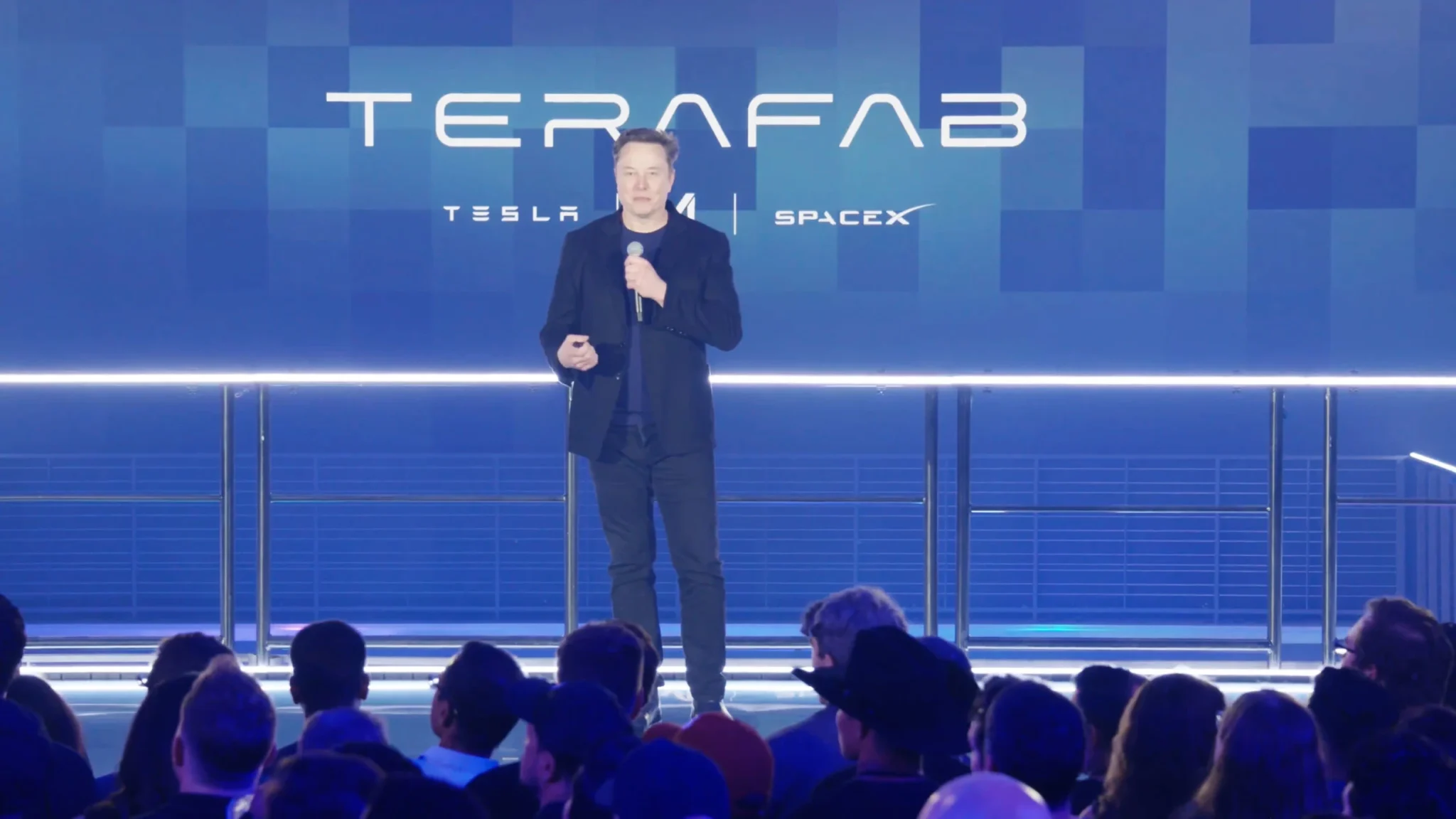
Elon Musk is no stranger to ambitious ventures. From electric cars to rockets and social media, the billionaire entrepreneur keeps expanding his empire. Now, he’s setting his sights on a new frontier: semiconductor manufacturing. At a recent presentation, Musk announced Terafab, a chip factory in Austin, Texas, designed to produce custom silicon for SpaceX and xAI. But can he pull it off?
The Terafab Project: Musk’s Vision for Chip Manufacturing
Musk unveiled Terafab as the “most epic chip building exercise in history by far.” The project aims to address a critical bottleneck for his AI-driven companies. While firms like xAI rely on established chipmakers such as TSMC and Samsung, Musk claims these partners can’t keep up with his demand. By building his own factory, he hopes to bypass supply chain constraints and geopolitical risks.
“We’re very grateful to our existing supply chain,” Musk said, “but there’s a maximum rate at which they’re comfortable expanding. That rate is much less than we would like.” This sentiment underscores his push for vertical integration—a strategy that has defined Tesla and SpaceX.
Why Build a Chip Factory? Addressing Supply Chain Limitations
The semiconductor industry is notoriously complex. Manufacturing chips requires cutting-edge equipment, specialized materials, and years of R&D. For Musk, the stakes are high. His AI projects, including the Grok chatbot and Tesla’s robotaxi ambitions, demand high-performance chips tailored to specific tasks. Here’s why Terafab matters:
- Control Over Production: Avoiding reliance on third-party manufacturers reduces delays and costs.
- Customization: Tailoring chips for AI workloads could boost efficiency and performance.
- Geopolitical Resilience: Reducing exposure to trade tensions and supply chain disruptions.
However, the road to success is fraught with challenges. Unlike designing chips, manufacturing requires massive capital investment and technical expertise—areas where Musk’s companies lack experience.
Challenges and Skepticism: Can Musk Succeed in Semiconductors?
Musk’s track record with ambitious projects is mixed. Tesla’s full self-driving system has faced repeated delays, and the Cybertruck’s production timeline has been pushed back by years. Meanwhile, the Dojo supercomputer project, once central to Tesla’s AI strategy, was abruptly canceled, leading to the departure of key chip design talent.
Critics argue that Terafab is another overambitious venture. Semiconductor manufacturing is a $500 billion industry dominated by giants like TSMC, which invests $30 billion annually in R&D. Musk’s companies lack the infrastructure and expertise to compete. Even if Terafab starts production, scaling to meet demand could take years.
Technical and Financial Hurdles
Building a chip factory costs billions. TSMC’s latest plant in Arizona, for example, requires $40 billion in investment. Musk has not disclosed Terafab’s budget, but industry experts estimate it could exceed $10 billion. Additionally, the factory must secure a steady supply of rare materials like silicon wafers and photomasks—resources currently controlled by a handful of global suppliers.
Human Capital Gaps
Attracting top semiconductor engineers is another hurdle. Companies like Intel and AMD have deep talent pools, while Musk’s ventures face skepticism from industry veterans. “This is a high-stakes gamble,” says one anonymous chipmaker executive. “Musk’s teams are talented, but manufacturing at scale is a different beast.”
The Road Ahead: Realistic Expectations for Terafab
Despite the challenges, Terafab could still make a dent in the semiconductor landscape. If Musk secures partnerships with experienced foundries or acquires niche manufacturing capabilities, the project might succeed in limited markets. For now, the focus is on producing chips for SpaceX and xAI, which have less demanding requirements than consumer electronics.
Here’s what to watch for:
- Timeline: Will Terafab achieve first production by 2025, as Musk hinted?
- Partnerships: Could Terafab collaborate with existing chipmakers to share costs?
- Product Focus: Will the factory prioritize AI chips or expand into other markets?
Conclusion: A High-Stakes Bet on the Future
Elon Musk’s Terafab project is a bold experiment in semiconductor manufacturing. While the risks are enormous, the potential rewards could reshape AI development and reduce reliance on global supply chains. Whether this venture succeeds depends on Musk’s ability to assemble a world-class team, secure funding, and navigate technical complexities.
For now, the world watches with cautious optimism. If Terafab works, it could mark a new era in tech. If it fails, it’ll serve as a reminder that even the most visionary ideas require execution. What do you think? Share your thoughts in the comments below.