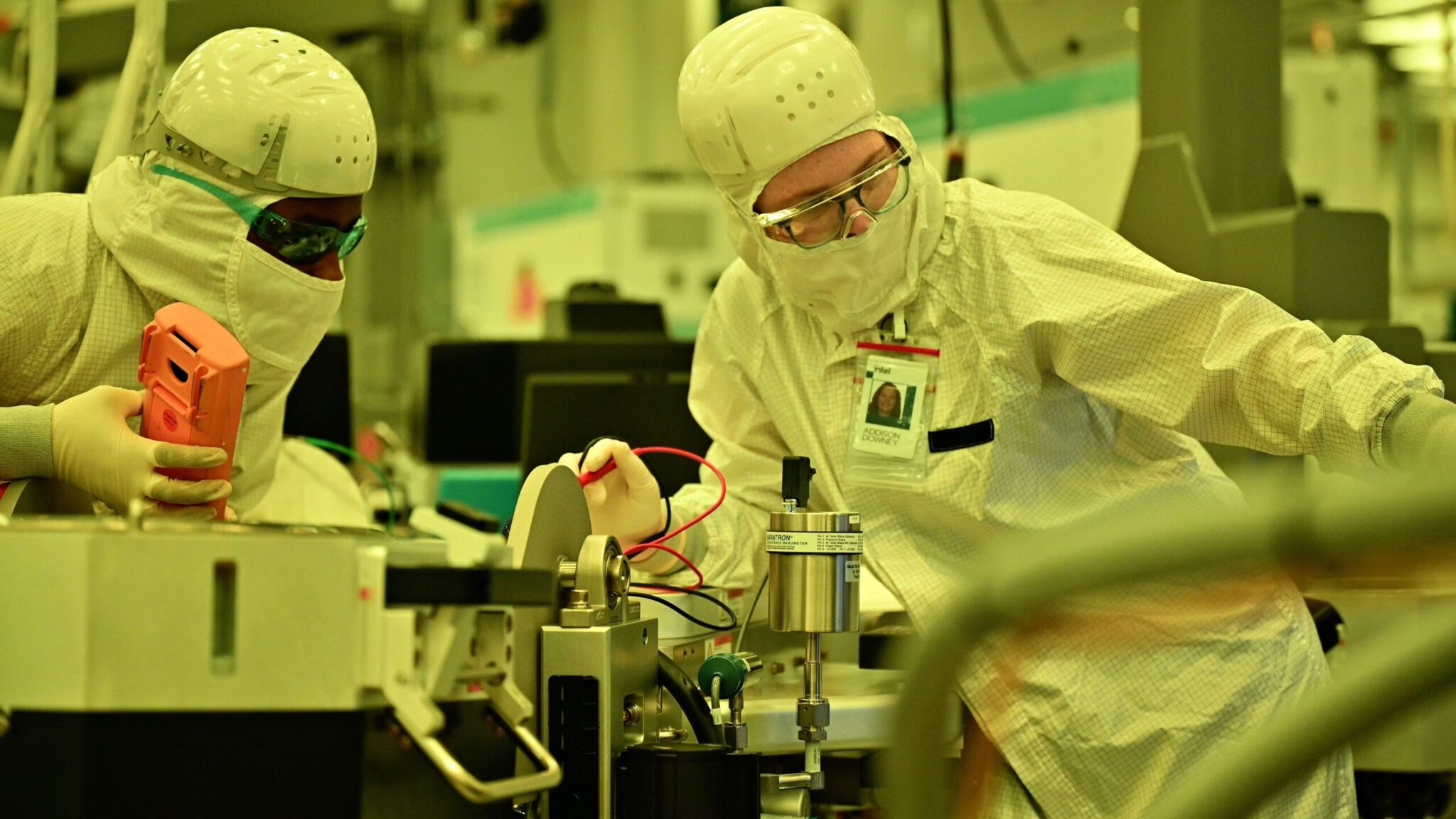
Elon Musk’s Terafab Project: A New Era in Chipmaking?
Elon Musk has a knack for turning bold ideas into headlines. His latest venture, the Terafab Project, promises to disrupt the semiconductor industry with a $10 billion chipmaking initiative set to launch in seven days. But what does this mean for the future of technology, and why should you care?
What is the Terafab Project?
The Terafab Project, announced via Musk’s social media channels, aims to produce advanced semiconductor chips using cutting-edge fabrication techniques. Unlike traditional chipmakers, Musk’s team claims the project will leverage AI-driven automation and sustainable materials to reduce costs and increase production speed.
Key Features of the Terafab Project
- AI Integration: Machine learning algorithms will optimize chip design and manufacturing.
- Green Tech: The facility will use renewable energy sources to minimize environmental impact.
- Scalability: Modular designs allow rapid scaling to meet global demand.
Why This Launch Date Matters
Announcing a seven-day launch timeline is no small feat. While skeptics question the feasibility, Musk’s track record with Tesla and SpaceX shows he thrives under pressure. The project’s timing aligns with growing demand for AI chips and quantum computing components, positioning Terafab to fill a critical gap in the market.
Challenges Ahead
However, the semiconductor industry is notoriously complex. Key hurdles include:
- Supply Chain Reliance: Sourcing rare materials like gallium and germanium remains a challenge.
- Regulatory Hurdles: Compliance with international trade laws could delay operations.
- Technical Risks: Scaling AI-driven fabrication to mass production is untested at this scale.
Potential Implications for the Semiconductor Industry
If successful, the Terafab Project could reshape global chip manufacturing. Analysts predict a 20% drop in AI chip prices within two years, accelerating adoption in robotics and autonomous systems. Additionally, the project’s green focus might pressure competitors like TSMC and Intel to adopt similar sustainability practices.
Opportunities for Startups
Smaller tech firms could benefit from Terafab’s modular designs, enabling partnerships for niche applications like medical devices or IoT sensors. This democratization of chipmaking might spark a new wave of innovation.
What Comes Next?
While the seven-day timeline is ambitious, the real test lies in the project’s long-term viability. Investors and tech enthusiasts should monitor:
- Prototype chip performance benchmarks
- Partnership announcements with major tech firms
- Updates on energy efficiency metrics
Conclusion: Is This a Game-Changer?
Elon Musk’s Terafab Project is a high-stakes gamble with the potential to redefine chip manufacturing. Whether it succeeds or faces setbacks, the project highlights the urgent need for innovation in the semiconductor sector. Stay tuned—this story is far from over.
Have thoughts on Musk’s latest venture? Share your perspective in the comments below!