Elon Musk Faces Legal Scrutiny Over $44 Billion Twitter Deal
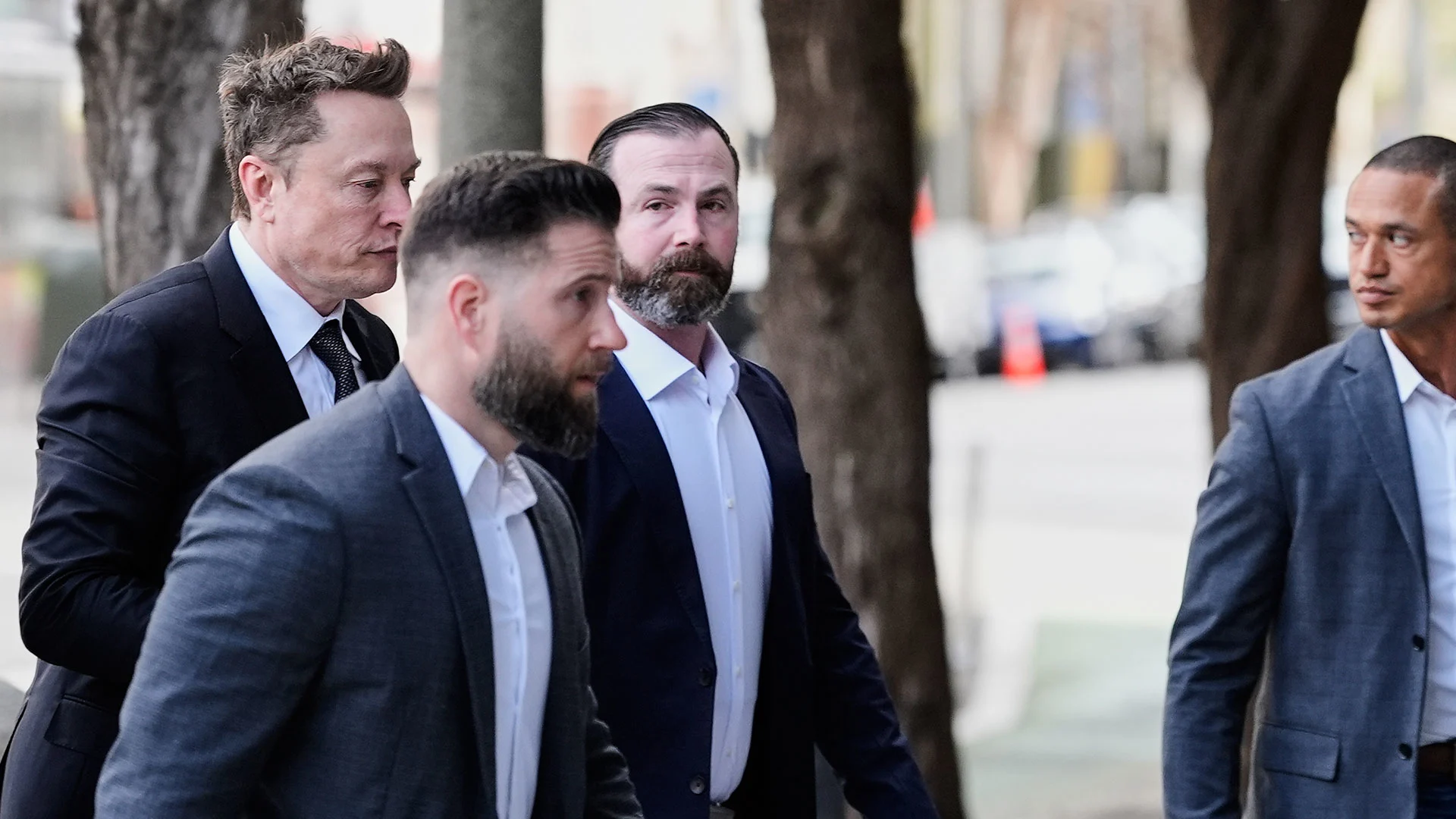
Elon Musk took the stand in a high-stakes jury trial this week, defending himself against claims he misled investors during his contentious $44 billion acquisition of Twitter. The civil case, centered on allegations of securities fraud, examines Musk’s actions as he attempted to renegotiate or terminate the deal before finalizing it in October 2022.
The Core Allegations
Plaintiffs argue Musk violated federal securities laws by making misleading statements to drive down Twitter’s stock price. The lawsuit, representing shareholders who sold stock between May 2022 and October 2022, claims Musk orchestrated a strategy to devalue the company before completing the purchase. Musk, however, insists the Twitter board misrepresented the number of fake accounts on the platform, calling their data “BS” during testimony.
Musk’s Defense: Fraud and Bias Claims
- Bot Controversy: Musk claims Twitter’s board misled him about bot percentages, a critical factor in valuing the company.
- Judge Bias: He cited legal advice that Delaware Judge Kathleen McCormick was biased against him, influencing his decision to proceed with the deal.
- Public Statements: Musk admitted his social media posts often reveal private thoughts, but denied intentional investor deception.
Key Testimony Highlights
Musk’s testimony revealed a tense relationship with Twitter’s board, including his admission of mutual threats during negotiations. He argued the $54.20-per-share price was unfair given the platform’s bot issues, which Twitter had previously settled in 2021. Meanwhile, U.S. District Judge Charles Breyer hinted at potential legal challenges to Musk’s attorney-client privilege claims.
Market Impact and Shareholder Fallout
Twitter’s stock plummeted 40% during the deal’s uncertainty, costing shareholders who sold during the turmoil. Musk countered that long-term holders still benefited, stating, “Everyone who held the stock fared extremely well.”
Broader Implications for Musk
This trial marks Musk’s second major legal battle over business decisions. In 2020, a jury cleared him of similar claims related to his Tesla acquisition attempt. The outcome could set a precedent for how courts view CEO conduct in high-profile deals.
What’s Next?
The trial continues through March 19, with Musk expected to return for further questioning. Legal experts suggest the case hinges on whether Musk’s public statements constituted actionable fraud or protected free speech.
Stay tuned for updates on this evolving case and its impact on corporate accountability in tech acquisitions.