Introduction: The Ripple Effect of Fossil Fuel Volatility
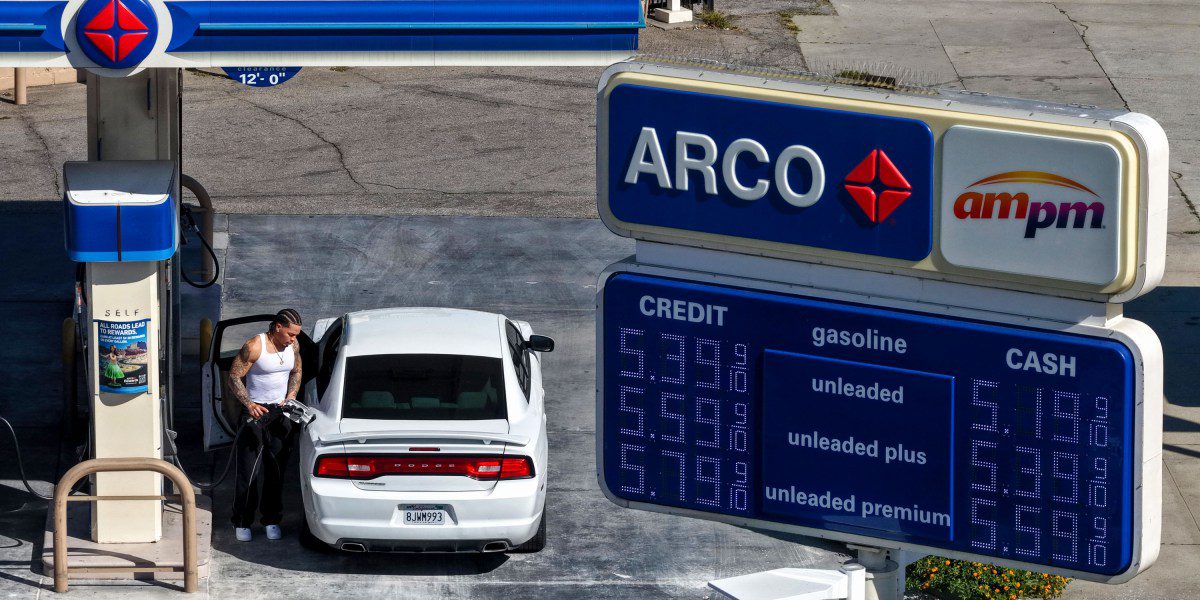
Gas prices have surged to $3.98 per gallon in the US amid geopolitical tensions, sparking debates about their impact on electric vehicles (EVs). While some EV owners celebrate the shift, the reality is nuanced. Rising fuel costs could accelerate EV adoption, but they also pose risks to global economies and supply chains. This article explores how gas prices influence EVs and why the connection isn’t as straightforward as it seems.
Historical Context: Lessons from the 1970s Oil Crisis
The 1970s oil crisis reshaped American car culture, pushing consumers toward smaller, fuel-efficient vehicles. Japanese automakers capitalized on this shift, gaining market share. Today’s gas price spikes could trigger a similar reevaluation of transportation choices. However, unlike the 1970s, modern consumers now face a broader range of alternatives—including EVs, hybrids, and public transit.
Current Trends: EV Interest Surges Amid Volatility
Recent data shows a 20% increase in online searches for EVs following Iran-related conflicts. For popular models like the Tesla Model Y, traffic nearly doubled. Globally, dealerships in London and Manila report overwhelming demand. Meanwhile, the Inflation Reduction Act’s leasing incentives are set to flood the market with affordable used EVs in 2026, further lowering barriers to adoption.
What Drives Consumer Decisions?
- $4/gallon threshold: At this price, EVs become more cost-effective than gas vehicles, per BloombergNEF.
- $6/gallon threshold: A Cox Automotive survey found this price would sway most US consumers to consider EVs or hybrids.
- Policy momentum: Leasing expirations and new incentives are creating a critical mass of affordable EV options.
Economic Implications: Beyond the Gas Pump
High fossil fuel prices ripple through global systems. Fuel accounts for 50-60% of shipping costs, while natural gas—used in fertilizer production—has spiked in Europe. Jet fuel prices have doubled, threatening airline profits and air travel affordability. These trends could trigger inflation, making it harder to finance renewable energy projects or purchase homes and cars, including EVs.
Key Sectors at Risk
- Shipping: Higher fuel costs increase the price of imported goods.
- Agriculture: Fertilizer prices rise, impacting food production.
- Travel: Airline operating costs surge, leading to higher ticket prices.
Conclusion: A Call for Balanced Perspective
While rising gas prices may boost EV adoption, they also expose vulnerabilities in our energy-dependent systems. For consumers, this is a pivotal moment to consider electric alternatives. However, true sustainability requires decarbonizing not just transportation but entire economies. If you’re in the market for a car, now might be the time to explore EVs—but keep an eye on the broader climate and economic picture.
Take Action: Research local EV incentives, compare total cost of ownership, and stay informed about energy policy developments. Your choice could shape the future of mobility.