F-35A Deployment to Japan: Strengthening U.S.-Japan Defense Ties
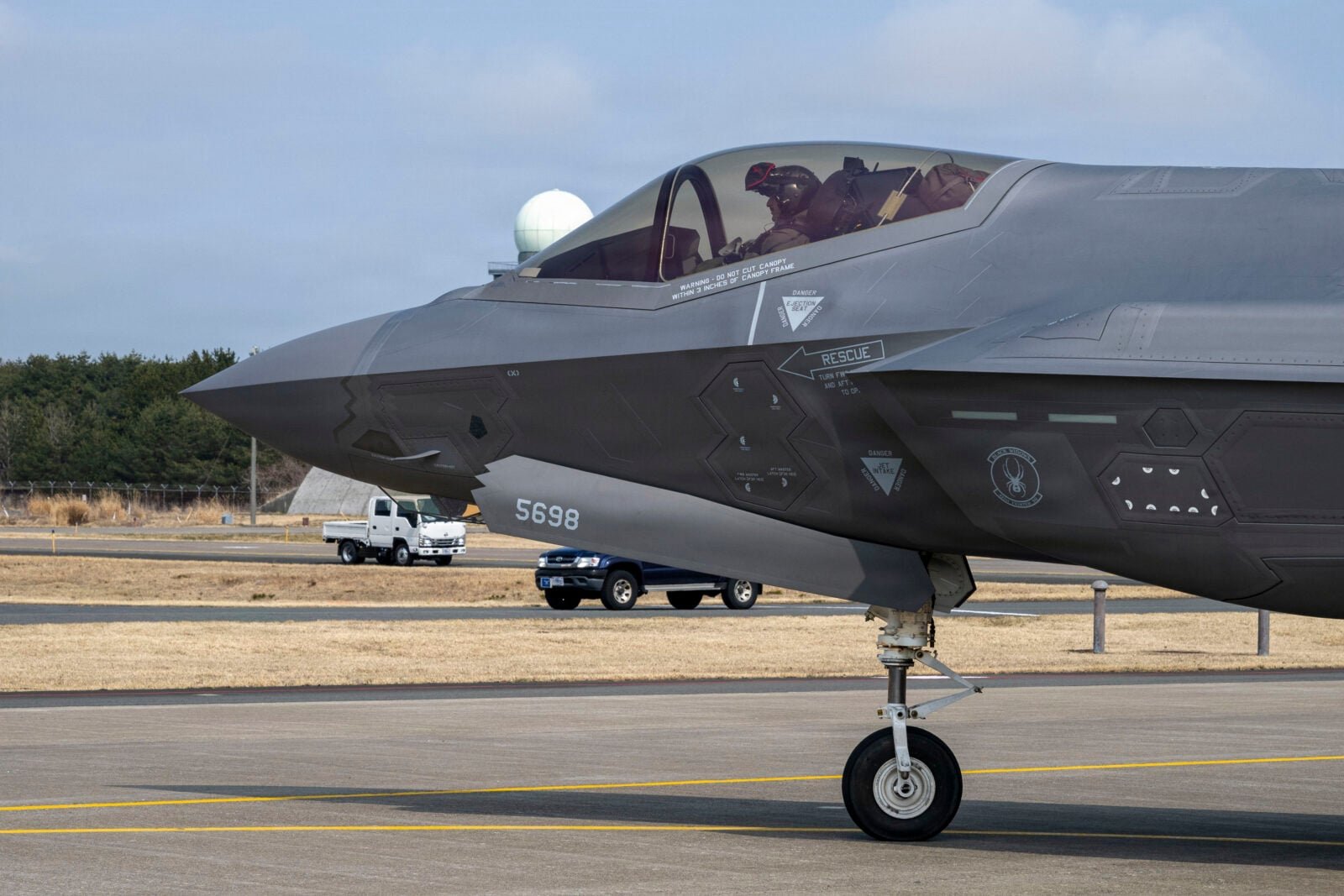
On March 28, 2026, the U.S. Air Force marked a pivotal moment in regional security as F-35A Lightning II fighters from the 13th Fighter Squadron arrived at Misawa Air Base in northern Japan. This deployment signals a permanent shift toward fifth-generation operations, enhancing U.S. and Japanese military cooperation while addressing evolving threats in the Indo-Pacific region.
Strategic Shift: F-35A Deployment Japan
The arrival of the F-35A at Misawa Air Base is more than a routine exercise—it’s a calculated move to modernize U.S. airpower in Asia. By replacing legacy platforms like the F-16, the F-35A introduces advanced capabilities in stealth, sensor fusion, and networked operations. Col. Paul Davidson, commander of the 35th Fighter Wing, emphasized that this deployment “underscores our long-standing commitment to Japan and the region.”
Why Misawa Air Base?
- Geographic Advantage: Located in northern Japan, Misawa is strategically positioned to monitor key areas in the Indo-Pacific.
- Operational Upgrades: The base is being upgraded to a fighter integration wing, streamlining joint operations and maintenance.
- Interoperability: The F-35A aligns with Japan’s own F-35 fleet, enabling seamless coordination during joint missions.
Advanced Capabilities of the F-35A
The F-35A isn’t just a fighter jet—it’s a sensor platform designed for dominance in contested environments. Lt. Col. John Widmer, commander of the 13th Fighter Squadron, highlighted its “sensor fusion and quarterback capability” as critical for modern warfare. Unlike older aircraft, the F-35A integrates data from multiple sources to create a unified battlefield picture, allowing pilots to detect threats faster and respond with precision.
Key Features of the F-35A
- Stealth Technology: Reduces radar visibility, enabling operations in high-threat zones.
- Real-Time Sensor Updates: Continuously evolving software ensures the aircraft adapts to emerging threats.
- Wild Weasel Mission Readiness: Tailored for suppressing enemy air defenses with integrated sensors and weapons.
Enhancing U.S.-Japan Interoperability
Col. Jeromy Guinther, commander of the 35th Operations Group, stressed that the F-35A deployment “strengthens our ability to respond quickly and operate seamlessly with our Japanese partners.” Shared platforms like the F-35A allow both nations to conduct joint training, coordinate strike missions, and share real-time data—critical for deterring aggression in the region.
Real-World Impact
The F-35A’s presence at Misawa isn’t just symbolic. Its advanced capabilities mean U.S. and Japanese forces can:
- Track and neutralize enemy air defenses more effectively.
- Coordinate long-range strikes with minimal exposure.
- Share intelligence across allied networks for faster decision-making.
Conclusion: A New Era for Indo-Pacific Defense
The F-35A deployment to Japan represents a strategic investment in regional stability. By leveraging cutting-edge technology and deepening U.S.-Japan partnerships, this move ensures both nations are prepared for future challenges. As Lt. Col. Widmer noted, “It’s the place I want to be if I need to go to war.”
Stay informed: Follow our Weekly Defense Roundup for updates on military advancements and global security trends.