
FCC Request for Patriotic Content
The Federal Communications Commission (FCC) has made a request to stations for more ‘pro-America’ programming. This includes daily recitations of the Pledge of Allegiance. The request is part of a broader effort to celebrate America’s 250th anniversary.
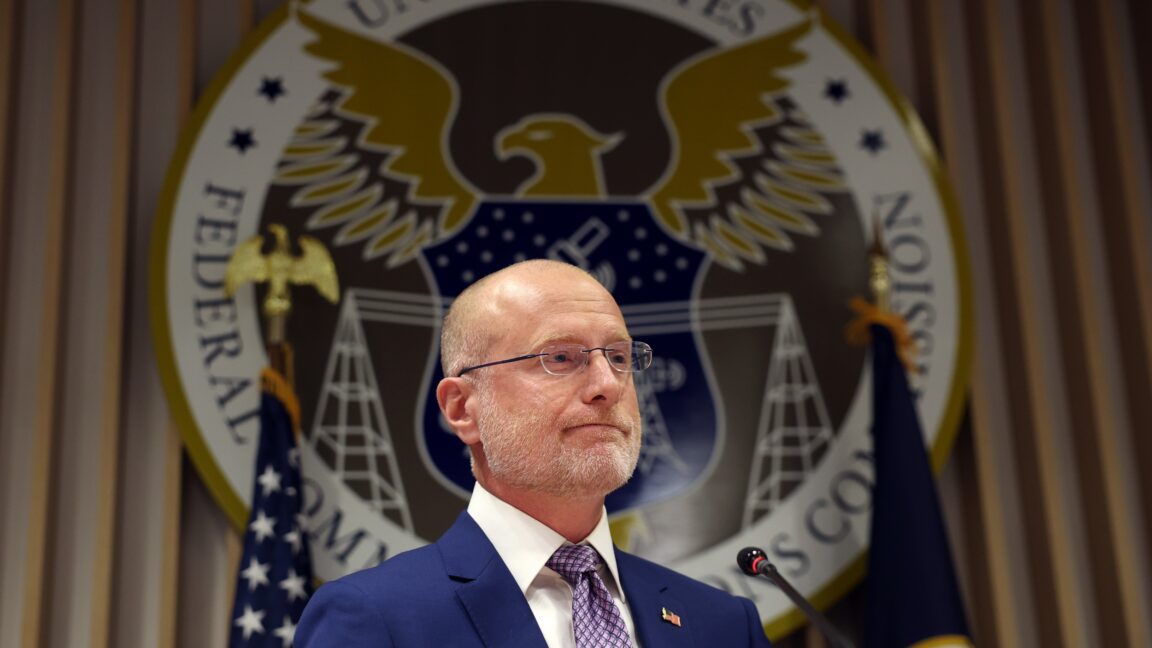
Brendan Carr, a commissioner at the FCC, is a key figure behind this push for patriotic shows. The goal is to have more ‘patriotic’ content on the airwaves during Trump’s yearlong America 250 celebration.
The idea is to promote unity and patriotism through media. However, some critics argue that this could be seen as an attempt to impose a certain ideology on the public.
Technical Insights
- The FCC’s request is not mandatory, but it is likely to influence the type of content that stations produce.
- Patriotic programming can include a wide range of content, from documentaries to entertainment shows.
- The Pledge of Allegiance is a daily ritual in many American schools and public institutions.
- The America 250 celebration is a yearlong event that aims to promote American culture and values.
- The FCC’s request has sparked debate about the role of media in promoting patriotism and national unity.
Implications and Reactions
The FCC’s request has been met with a mix of reactions. Some see it as a positive move to promote patriotism and unity, while others are concerned about the potential for ideological bias.
The request has also sparked debate about the role of media in shaping public opinion and promoting national values. Some argue that media should remain neutral and avoid promoting any particular ideology.
As the America 250 celebration continues, it will be interesting to see how stations respond to the FCC’s request. Will we see a surge in patriotic programming, or will stations opt for more neutral content?
The FCC’s request is a reminder of the complex relationship between media, politics, and patriotism. As we move forward, it will be important to consider the implications of promoting patriotism through media and the potential impact on national unity.








