
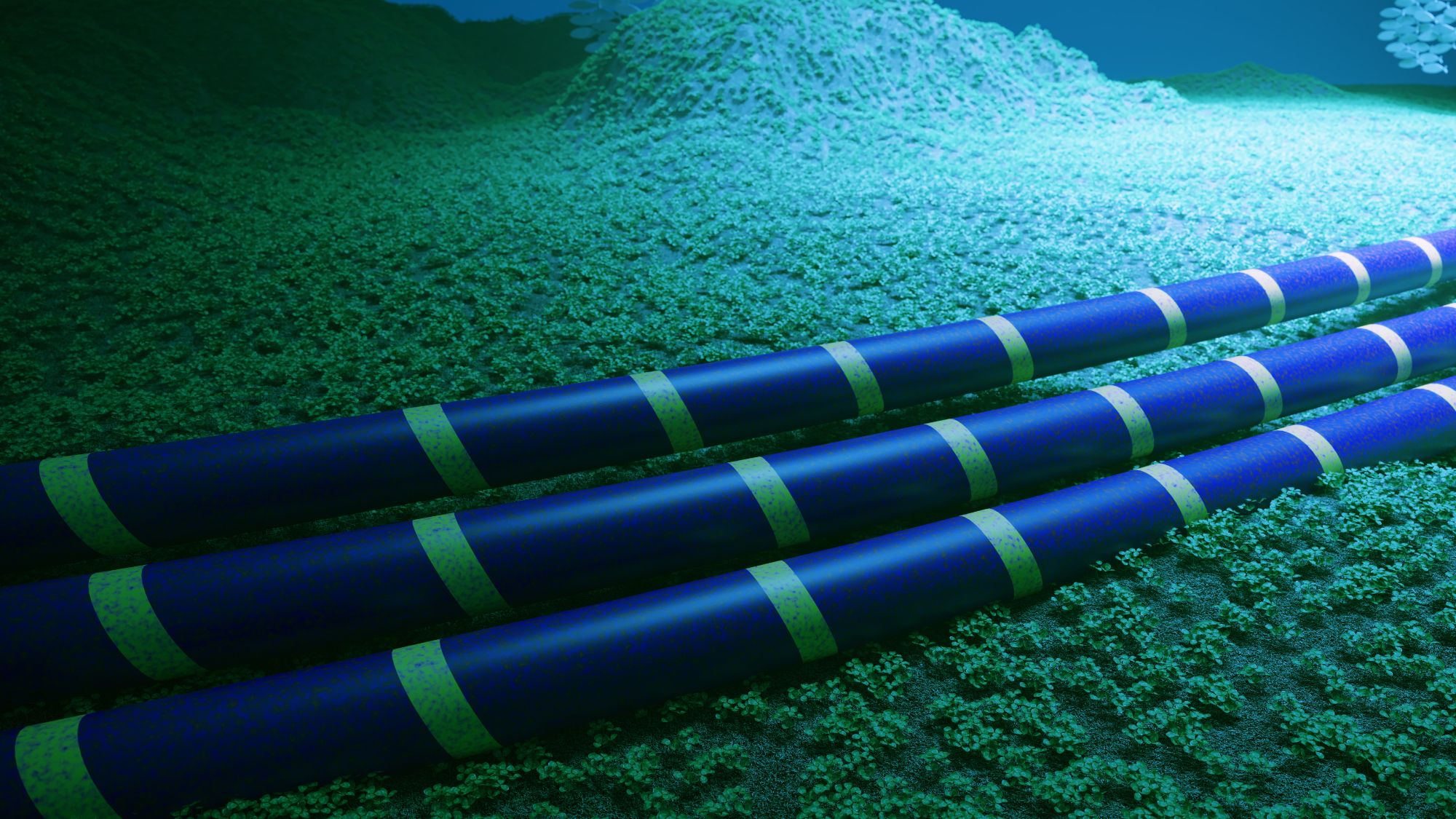
Introduction to TAT-8
The world’s first transatlantic fiber-optic cable, TAT-8, is being removed from the sea floor after 37 years. This milestone marks the end of an era for the cable that revolutionized global communication.
TAT-8’s History and Impact
Launched in 1988, TAT-8 was the first fiber-optic cable to transmit traffic across the Atlantic Ocean. It was a joint project between AT&T, British Telecom, and France Telecom. The cable’s capacity was exhausted within 18 months of launch, proving the model for future undersea cables.
At its launch, science fiction writer Isaac Asimov addressed audiences in Paris and London via video link from New York, calling it ‘this maiden voyage across the sea on a beam of light.’ TAT-8’s legacy can be seen in the numerous undersea cables that followed, with the TAT series reaching number 14 by 2001.
Cable Removal and Recycling
The recovery operation is being carried out by Subsea Environmental Services, with the crew facing challenges such as an early hurricane season. The cable is being coiled by hand to avoid damage to the glass fibers inside. The recovered copper will be repurposed, with the steel being used as fencing and the polyethylene sheathing being pelletized for non-food-grade plastics.
Environmental and Economic Benefits
The removal of TAT-8 is not only a significant moment in the history of undersea cables but also has environmental and economic benefits. The recovered materials will reduce the demand for new copper and steel, decreasing the environmental impact of mining and production.
The International Energy Agency has projected that copper supplies could fall by 30% within a decade if new sources don’t keep pace with manufacturing demand. The recovery of TAT-8’s cable will provide a welcome source of this essential metal.
Future of Undersea Cables
TAT-8’s removal is a reminder of the importance of undersea cables in global communication. As the demand for data transmission continues to grow, the development of new undersea cables will be crucial in meeting this need.
Subsea Environmental Services is one of only three companies globally that specialize entirely in cable recovery and recycling. Operations like this one will help clear established routes for new cables, reducing the risk of disturbing untouched sections of the ocean floor.
Conclusion and Call to Action
In conclusion, the removal of TAT-8 marks the end of an era for the world’s first transatlantic fiber-optic cable. Its legacy can be seen in the numerous undersea cables that followed, and its removal has significant environmental and economic benefits.
As we look to the future of undersea cables, it is essential to consider the importance of sustainable practices in the development and removal of these critical infrastructure components. By adopting environmentally responsible practices, we can reduce the impact of undersea cables on the ocean and its inhabitants.
FAQs
- What was the significance of TAT-8?
- How is the cable being removed?
- What are the environmental benefits of removing TAT-8?
- What is the future of undersea cables?
- Why is sustainable practice important in undersea cable development?








