
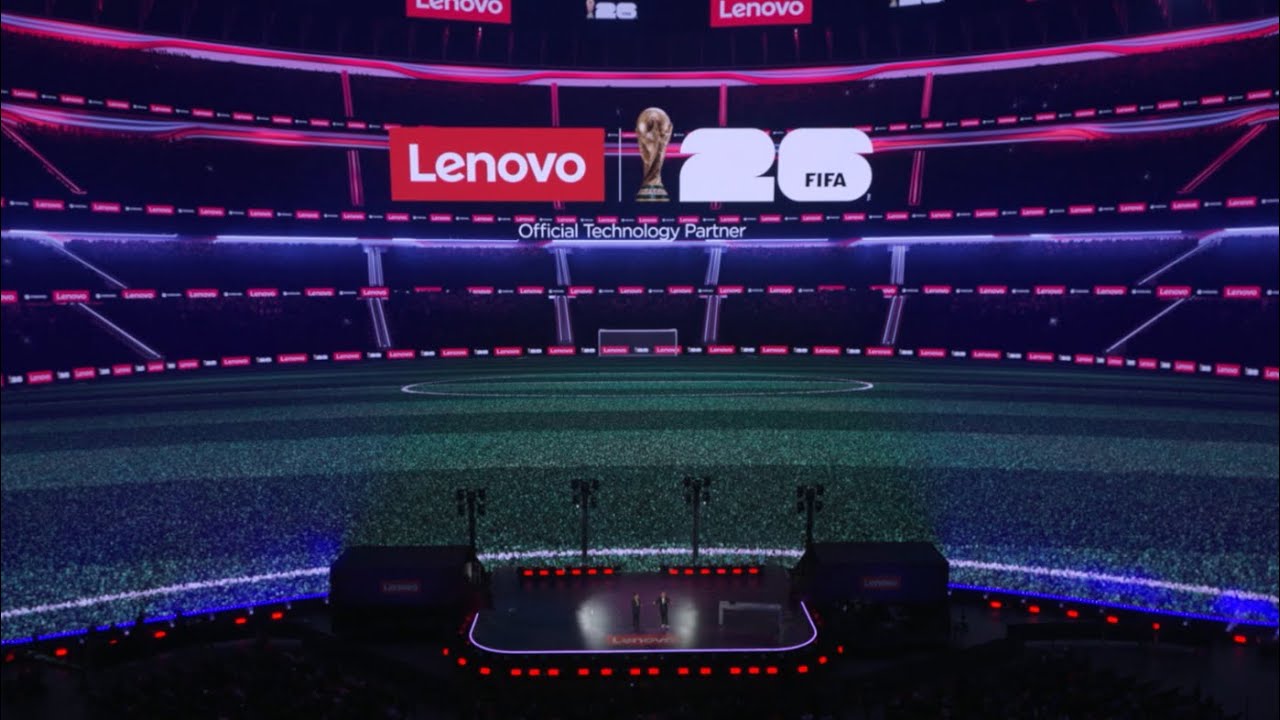
Introduction to FIFA’s AI Strategy
The 2026 World Cup is set to be a groundbreaking event, with 48 teams competing across Canada, Mexico, and the United States. However, the operational challenge of running such a massive tournament is significant. Meanwhile, FIFA has unveiled its AI strategy, which includes Football AI Pro, AI-enabled 3D player avatars, and a next-generation Referee View.
For example, the AI strategy is designed to support the tournament’s logistics, from pre-match analysis to post-match reviews. Additionally, it will provide teams with valuable insights to improve their performance.
The Role of Football AI Pro
Football AI Pro is a generative AI knowledge assistant that will be available to all 48 teams competing at the 2026 World Cup. It is built on FIFA’s Football Language Model and trained on hundreds of millions of FIFA-owned data points. Therefore, it can generate pre- and post-match analysis in various formats, including text, video, graphs, and 3D visualizations.
Furthermore, Football AI Pro supports prompts in multiple languages, making it a valuable tool for teams from diverse linguistic backgrounds. However, it will not be used during live play, as its primary function is to provide teams with strategic insights before and after matches.
Democratizing Access to Match Analysis
The democratization argument behind Football AI Pro is straightforward. At the highest level of the game, access to sophisticated match analysis depends heavily on a team’s financial resources. Meanwhile, a tier-one footballing nation has a dedicated analytics department, whereas a team competing at its first World Cup may not have such resources.
Therefore, Football AI Pro is designed to give every team the same analytical baseline, regardless of their financial resources. This approach can help level the playing field, allowing smaller teams to compete more effectively against their more established counterparts.
Infrastructure Challenges and Solutions
Delivering consistent, tournament-wide intelligence across 48 teams in three countries, in multiple languages, against a match schedule that runs for weeks, is not a small infrastructure problem. However, it is the kind of workload that requires exactly the hybrid AI architecture that Lenovo has been building its enterprise positioning around.
For instance, Lenovo’s hybrid AI architecture can support the massive data processing requirements of the 2026 World Cup. Additionally, it can provide the necessary scalability and flexibility to handle the tournament’s complex logistics.
Conclusion and Future Prospects
In conclusion, FIFA’s AI strategy is a significant step forward in enhancing the 2026 World Cup experience. Football AI Pro, AI-enabled 3D player avatars, and the next-generation Referee View are all designed to support the tournament’s logistics and provide teams with valuable insights.
Finally, the success of FIFA’s AI strategy will depend on its ability to deliver consistent, tournament-wide intelligence across 48 teams in three countries. However, with the right infrastructure and technology in place, the 2026 World Cup is set to be a groundbreaking event that showcases the power of AI in sports.
Frequently Asked Questions
- What is Football AI Pro, and how will it be used in the 2026 World Cup? Football AI Pro is a generative AI knowledge assistant that will be available to all 48 teams competing at the 2026 World Cup. It will provide teams with pre- and post-match analysis in various formats.
- How will Football AI Pro support the democratization of match analysis? Football AI Pro will give every team the same analytical baseline, regardless of their financial resources, allowing smaller teams to compete more effectively against their more established counterparts.
- What are the infrastructure challenges associated with delivering Football AI Pro, and how will they be addressed? The infrastructure challenges associated with delivering Football AI Pro include processing massive amounts of data and providing scalability and flexibility. These challenges will be addressed through the use of hybrid AI architecture.
- How will the success of FIFA’s AI strategy be measured? The success of FIFA’s AI strategy will be measured by its ability to deliver consistent, tournament-wide intelligence across 48 teams in three countries.
- What are the potential future applications of FIFA’s AI strategy? The potential future applications of FIFA’s AI strategy include its use in other sports tournaments and events, as well as its potential to support the development of new sports technologies.








