
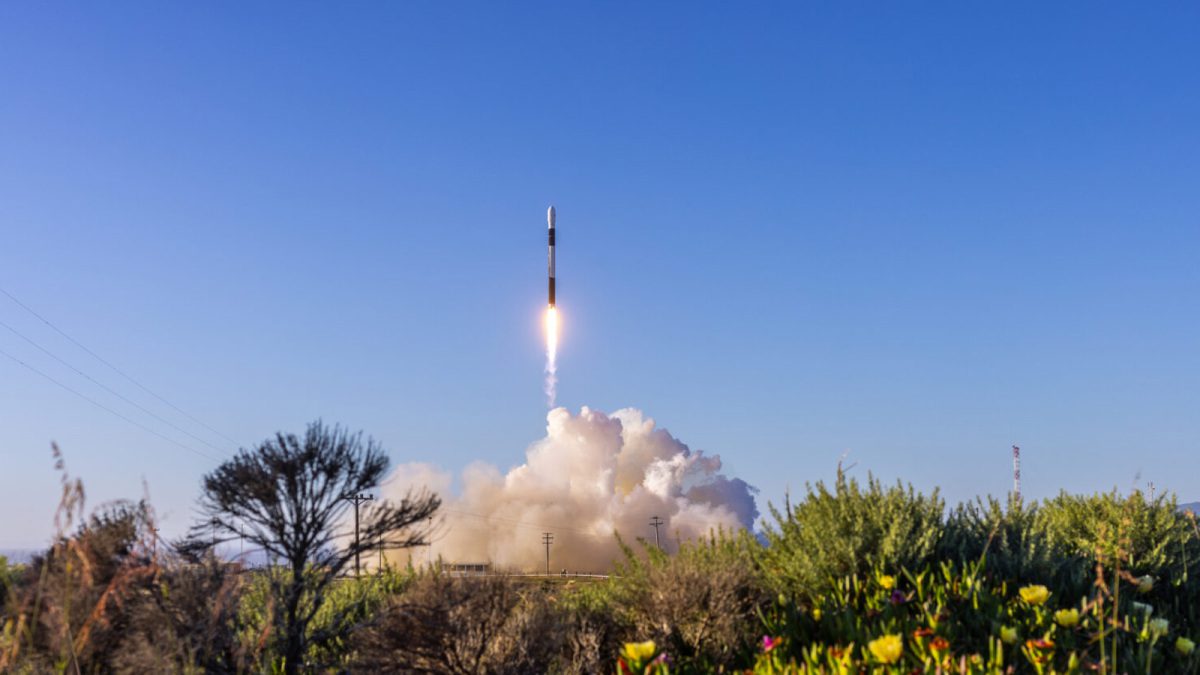
Firefly Aerospace Alpha Rocket Launch Success 2026
After a year of setbacks, Firefly Aerospace has achieved a major milestone. The Texas-based company successfully launched its Alpha rocket into orbit on March 12, 2026, marking a triumphant return after a pre-launch explosion in 2025. This victory not only boosts investor confidence but also positions Alpha as a key player in the small satellite launch market.
Overcoming 2025 Failures
The Alpha rocket’s journey has been anything but smooth. In 2025, the program faced two critical failures: a launch that failed to reach orbit and a catastrophic explosion during pre-flight tests. These setbacks threatened Firefly’s $10 billion valuation after its 2025 public listing. However, the team at Firefly Aerospace doubled down on engineering improvements, setting the stage for this year’s success.
What Went Wrong in 2025?
- April 2025 Failure: An anomaly during stage separation prevented the rocket from achieving orbit.
- August 2025 Explosion: A pre-launch test ended in a dramatic explosion at the launchpad.
These incidents highlighted vulnerabilities in the Alpha Block I design, prompting a complete redesign for the next iteration.
Alpha Block II: A New Era for Firefly
The March 2026 launch marked the final flight of the Alpha Block I design. The upcoming Block II version, set to debut in Q2 2026, introduces significant upgrades:
- Height: Taller by two meters, improving stability during ascent.
- Thrust: Increased to 801 kilonewtons (up from 736 kN) for heavier payloads.
- Avionics: Advanced systems for real-time flight adjustments.
- Thermal Protection: Enhanced materials to withstand re-entry temperatures.
These improvements make Alpha Block II a more reliable option for commercial and government clients seeking cost-effective satellite deployment.
Why Block II Matters
The upgraded design addresses past failures while expanding Firefly’s market reach. With a payload capacity of 1,500 kg to low Earth orbit, Alpha Block II competes directly with rockets like Rocket Lab’s Electron and Virgin Orbit’s LauncherOne.
What’s Next for Firefly Aerospace?
Firefly’s success in 2026 is just the beginning. The company plans to:
- Launch Alpha Block II on the Flight 8 mission in Q2 2026.
- Secure long-term contracts with emerging space agencies and private firms.
- Explore reusable rocket technology to reduce costs further.
Investors and industry observers are watching closely, as Firefly’s ability to innovate could reshape the small launch sector.
Conclusion: A Rocket on the Rise
Firefly Aerospace’s Alpha rocket has proven its resilience. By overcoming 2025’s challenges and delivering a successful 2026 launch, the company is poised to dominate the small satellite market. For those interested in tracking Firefly’s progress, the Alpha Block II’s debut in Q2 2026 will be a key event to watch.
Stay updated: Follow Firefly Aerospace’s mission updates and subscribe to our newsletter for the latest in commercial spaceflight.








