Fish Smartly: How New Tech Saves Marine Life
Every year, millions of marine animals—turtles, dolphins, sharks, and seabirds—die as bycatch in fishing gear. This unintended harvest threatens ecosystems and undermines sustainable fishing. But innovative technologies are changing the game. By fish smartly, we can protect marine life while still meeting global seafood demand.
The Bycatch Problem: A Call for Smarter Fishing
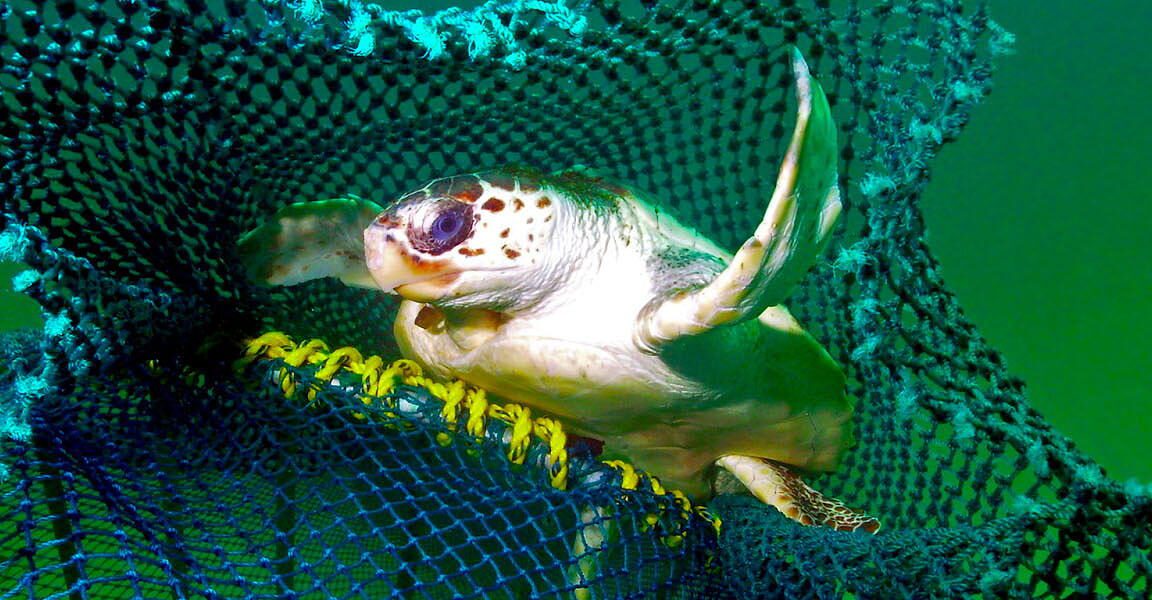
Fishing nets and gear are designed to catch target species, but they often trap non-target wildlife. Bycatch asphyxiates animals or causes fatal injuries. Even when released, many die later. For fishermen, entangled creatures damage equipment and reputations. The solution? Fish smartly with gear that minimizes harm.
Turtle Excluder Devices: A Proven Success
One of the most effective innovations is the turtle excluder device (TED). These contraptions create an escape route in trawl nets for turtles and other marine animals. After decades of refinement, TEDs are now 97% effective in shrimp fisheries. They save turtles and reduce losses for fishermen—winning support from conservationists and industry alike.
- How TEDs work: Turtles enter the net but are directed to an opening, while shrimp remain trapped.
- Benefits: Saves turtles, reduces gear damage, and maintains target catch rates.
Innovative Solutions for Fish Smartly
Researchers are testing other fish smartly tools to tackle bycatch. For example:
LED Lights on Gillnets
Gillnets—curtains of mesh that trap fish by the gills—are deadly for sea turtles. Attaching green or UV LED lights to these nets deters turtles from approaching. Early trials show promising results, with up to 80% fewer turtle entanglements.
Low-Tech Fixes with High Impact
Simple solutions like adding plastic water bottles to fishing gear can also reduce bycatch. These devices create noise or movement that scares off unintended species. They’re cost-effective and easy for small-scale fishermen to adopt.
Why Fish Smartly Matters
Bycatch isn’t just an ecological issue—it’s an economic and ethical one. Fish smartly technologies align the interests of fishermen, conservationists, and consumers. As marine biologist Matthew Savoca notes, “Every stakeholder wants less bycatch.”
Challenges and the Road Ahead
While solutions exist, adoption remains uneven. Some fishermen resist changes due to costs or skepticism. However, studies show that 42 bycatch prevention methods reduce harm without sacrificing target catches. The key is tailoring solutions to specific fisheries and gear types.
Take Action: Support Smart Fishing
Consumers can drive change by choosing seafood certified by organizations like the Marine Stewardship Council. Governments and NGOs must also enforce regulations and fund research. Together, we can fish smartly and protect our oceans for future generations.