
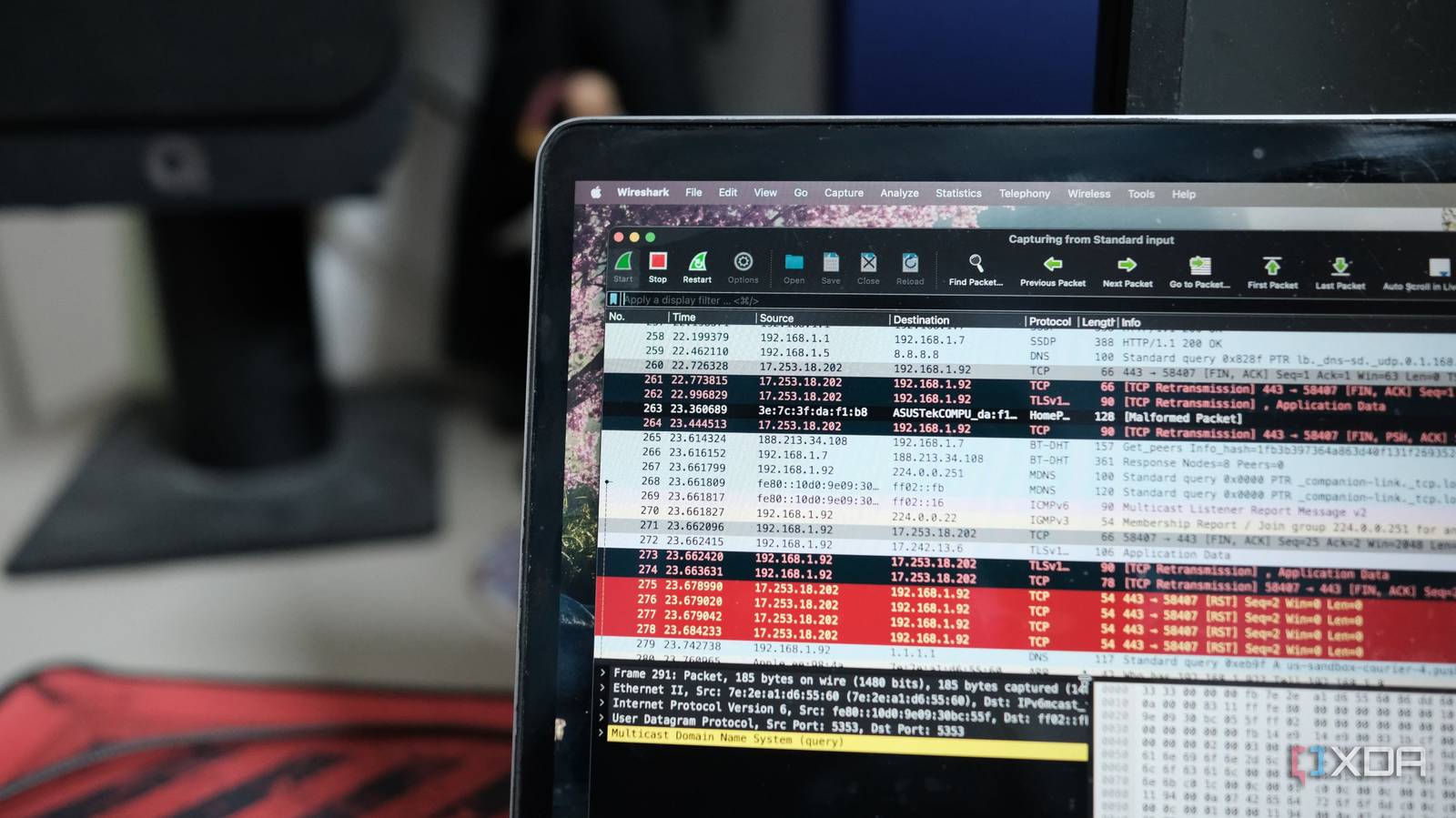
Fix Hidden Home Wi-Fi Problems with This Tool
Have you ever wondered why your home Wi-Fi slows down at specific times or fails to reach certain rooms? A powerful network tool I recently tested uncovered Wi-Fi issues I never knew existed—problems that were silently dragging down my internet speed and reliability. Whether you’re streaming, gaming, or working remotely, these hidden flaws can disrupt your digital life. Let’s explore how this tool works and why it might be the solution you’ve been missing.
How This Tool Reveals Hidden Wi-Fi Issues
Traditional Wi-Fi diagnostics often miss subtle problems like signal interference, network congestion, or dead zones. The tool I tested uses advanced scanning to map your home’s Wi-Fi performance in real time. It identifies weak spots, overlapping channels from neighboring networks, and even devices that drain bandwidth without you noticing.
Key Features to Watch For
- Signal Mapping: Visualizes coverage gaps in your home.
- Channel Optimization: Recommends less crowded Wi-Fi channels.
- Device Monitoring: Tracks bandwidth-heavy devices (e.g., smart TVs, IoT gadgets).
Common Home Wi-Fi Problems You Might Not Know About
Most users assume slow Wi-Fi stems from their ISP or router. In reality, the culprit is often something else:
1. Dead Zones in Unexpected Places
Thick walls, metal appliances, or even your furniture can block signals. The tool highlighted dead zones behind my bookshelf and under my staircase—areas I never suspected.
2. Overlapping Channels
Neighboring Wi-Fi networks often use the same channel, causing interference. The tool detected this and suggested switching to a less congested channel, boosting my speed by 30%.
3. Rogue Devices
Old devices or malware can consume bandwidth. The tool flagged my neighbor’s smart speaker (accidentally connected to my network) as a bandwidth hog.
How to Fix These Problems
Once you’ve identified the issues, here’s how to resolve them:
- Reposition Your Router: Place it centrally, away from obstructions.
- Switch Wi-Fi Channels: Use the tool’s recommendations to avoid congestion.
- Upgrade Equipment: Consider a mesh network for large homes.
Why This Tool Matters for Modern Home Networks
With smart homes and remote work becoming the norm, a stable Wi-Fi connection isn’t optional—it’s essential. This tool acts as a digital detective, uncovering flaws you’d never guess are causing your frustration. By addressing these hidden problems, you’ll enjoy faster speeds, fewer dropouts, and a smoother online experience.
Conclusion: Take Control of Your Wi-Fi
Don’t let invisible Wi-Fi issues sabotage your home network. Use a network scanning tool to uncover and fix problems you never knew existed. Whether you’re a tech novice or a seasoned user, this proactive approach ensures your internet stays reliable and fast. Ready to upgrade your Wi-Fi game? Try the tool today and see the difference.
FAQs
How can I fix home Wi-Fi problems?
Use a network scanning tool to identify dead zones, overlapping channels, and bandwidth hogs. Then adjust your router’s position, switch Wi-Fi channels, or upgrade to a mesh system.
Why is my Wi-Fi slow in certain rooms?
Signal interference from walls, appliances, or neighboring networks often causes slow Wi-Fi in specific areas. A network tool can pinpoint these issues.
What causes Wi-Fi dead zones?
Dead zones typically result from physical obstructions, poor router placement, or interference from electronic devices.
Can a Wi-Fi extender help?
Yes, a Wi-Fi extender can fill coverage gaps in large homes or areas with weak signals.
How often should I check my Wi-Fi network?
Monthly checks are ideal to catch new issues, especially if you add devices or neighbors change their networks.








