Florida Woman Sentenced for Stolen Microsoft Keys Scam
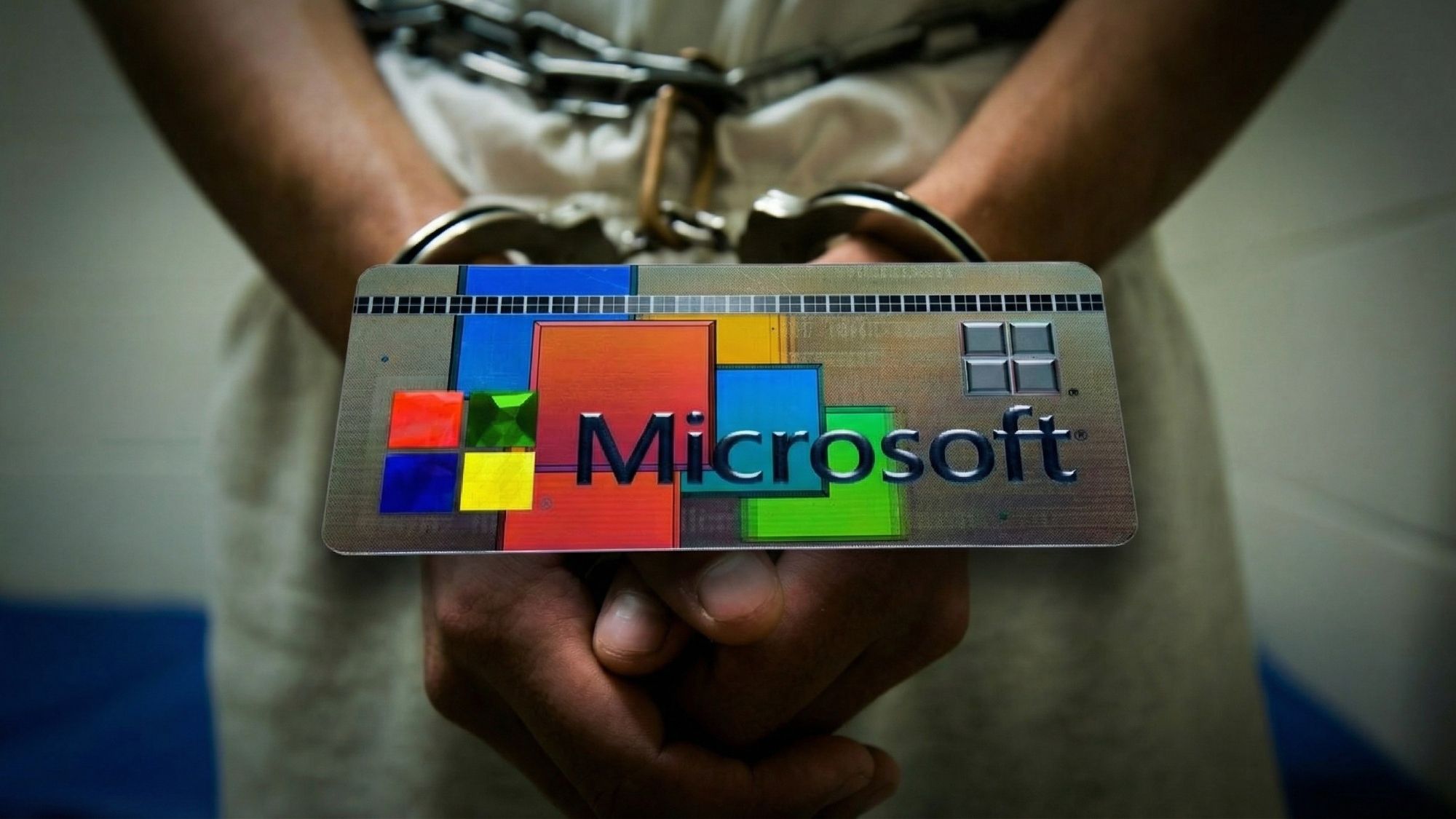
In a twist of irony, Heidi Richards, a Florida-based e-commerce operator, has been sentenced to 22 months in prison and fined $50,000 for trafficking stolen Microsoft Office and Windows keys. The case, which spanned five years, highlights the risks of unauthorized software distribution and the legal consequences of exploiting Microsoft’s licensing system.
How the Scheme Unfolded
Richards, operating under the brand “Trinity Software Distribution,” orchestrated a sophisticated operation to sell stolen Microsoft Certificate of Authenticity (COA) labels. These COA labels, small stickers issued by Microsoft to OEMs, contain unique product keys for activating Windows and Office software. While the labels themselves have no standalone value, they are legally tied to specific hardware or software packages.
Prosecutors revealed that Richards and her accomplices purchased tens of thousands of genuine COA labels from a Texas company between 2018 and 2023. They then manually extracted the product keys and stored them in Excel spreadsheets—ironically using Microsoft’s own software to manage stolen data. These keys were sold globally, generating over $5 million in illicit revenue.
Legal and Ethical Implications
Microsoft’s licensing rules are strict: COA labels must remain attached to the hardware or software they authenticate. Selling them separately violates both Microsoft’s terms of service and U.S. copyright law. The case underscores the importance of adhering to licensing agreements, which protect both software developers and consumers from piracy.
Key Takeaways for Businesses
- Verify Licensing Compliance: Ensure all software licenses are acquired through authorized channels.
- Secure Product Keys: Store activation codes securely, avoiding spreadsheets or unencrypted databases.
- Report Suspicious Activity: Notify Microsoft or legal authorities about unauthorized license sales.
Why This Case Matters
The Richards case is a stark reminder of the legal and financial risks associated with software piracy. Microsoft’s COA labels are not just stickers—they are legally binding proof of ownership. By exploiting this system, Richards not only violated the law but also undermined trust in Microsoft’s licensing ecosystem.
Impact on Consumers
Consumers who purchase stolen keys risk invalid licenses and potential legal action. Microsoft actively deactivates pirated keys, leaving users without support or updates. Legitimate users, meanwhile, face higher costs due to increased licensing fees driven by piracy.
Conclusion and Call to Action
Heidi Richards’ sentencing serves as a cautionary tale for businesses and individuals alike. Software licensing is a critical component of the tech industry, and unauthorized distribution disrupts innovation and fairness. To stay compliant, always purchase licenses from verified sellers and report suspicious activity.
Join the conversation: Share your thoughts on the case in our Reddit community or explore more tech news at Windows Central.