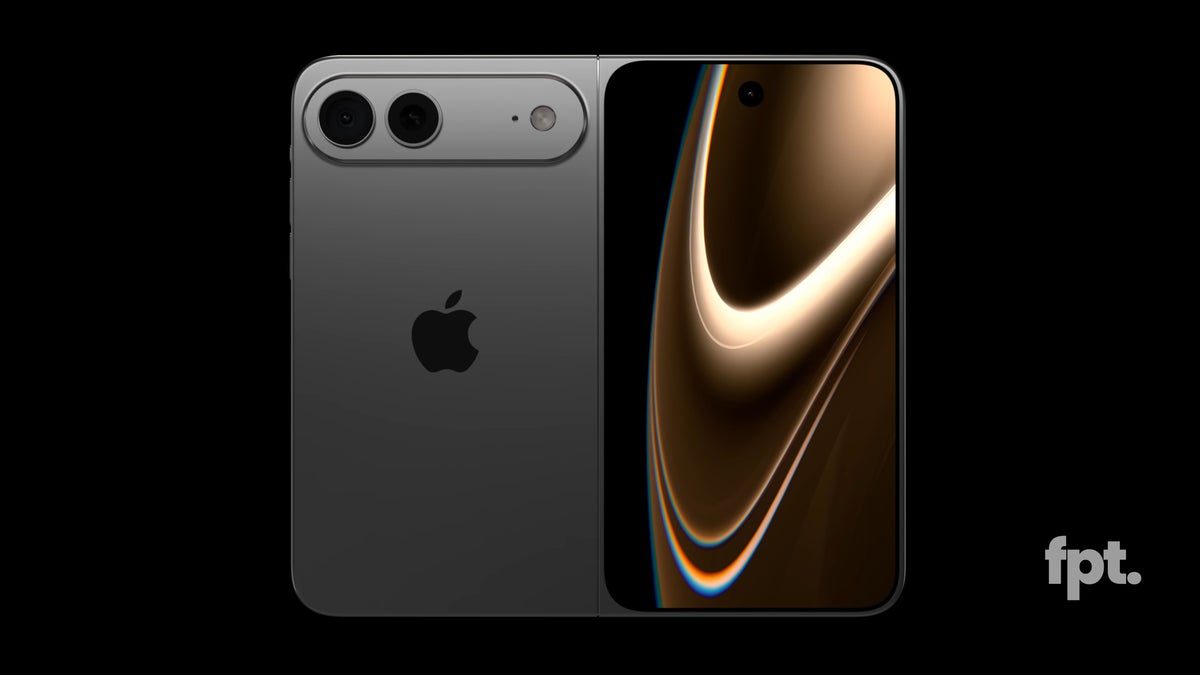
Foldable iPhone vs Galaxy Z Fold 7: The Crease Conundrum
Apple’s long-awaited foldable iPhone is finally on the horizon, with reports suggesting it will launch later this year alongside the iPhone 18 Pro and iPhone 18 Pro Max. Meanwhile, Samsung has already established itself as a pioneer in the foldable smartphone market with its Galaxy Z Series.
Understanding the Crease
A recent report has shed light on the foldable iPhone’s display crease, revealing that it has a depth of less than 0.15 mm and an angle of less than 2.5 degrees. While this is an impressive feat, it’s essential to consider how it compares to the Galaxy Z Fold 7.
The Galaxy Z Fold 7 boasts a crease depth of around 0.7 mm and an angle of approximately 3-4 degrees. Although the foldable iPhone seems to have the upper hand in this regard, it’s crucial to remember that the crease is still present, albeit less noticeable.
Galaxy Z Fold 7 vs Foldable iPhone: Which One Wins?
In a direct comparison, the foldable iPhone is likely to tie or surpass the Galaxy Z Fold 7 in terms of crease visibility. However, it’s essential to consider that Samsung has already showcased a foldable display with no crease, which could potentially be used in the Galaxy Z Fold 8.
This means that even if the foldable iPhone manages to outdo the Galaxy Z Fold 7, it may still lag behind Samsung’s future offerings. The question remains: will the foldable iPhone’s sleek design and advanced features be enough to sway consumers, or will Samsung’s innovative approach to foldable technology give it the edge it needs to stay ahead?
What Sets the Foldable iPhone Apart?
Several factors could contribute to the foldable iPhone’s success, including its wide-folding design, advanced display, and the fact that it’s an iPhone. However, with Samsung already pushing the boundaries of foldable technology, Apple will need to bring its A-game to make a significant impact.
Ultimately, the foldable iPhone’s success will depend on its ability to balance innovation with consumer demand. As the market continues to evolve, it’s clear that the crease will play a significant role in determining which device comes out on top.
Conclusion
In conclusion, while the foldable iPhone’s crease may be less noticeable than the Galaxy Z Fold 7’s, it’s essential to consider the broader context of the foldable smartphone market. With Samsung already making strides in this area, Apple will need to focus on creating a device that not only impresses with its design but also meets the evolving needs of consumers.
As we look to the future of foldable smartphones, one thing is certain: the crease will continue to be a key factor in determining which devices succeed and which ones fall behind. Will the foldable iPhone be able to make a significant impact, or will Samsung’s innovative approach to foldable technology give it the edge it needs to stay ahead?
Frequently Asked Questions
- What is the crease depth of the foldable iPhone? The crease depth of the foldable iPhone is less than 0.15 mm.
- How does the Galaxy Z Fold 7 compare to the foldable iPhone? The Galaxy Z Fold 7 has a crease depth of around 0.7 mm, which is deeper than the foldable iPhone’s.
- Will the foldable iPhone have a noticeable crease? Yes, the foldable iPhone will still have a noticeable crease, although it will be less visible than the Galaxy Z Fold 7’s.
- What sets the foldable iPhone apart from other devices? The foldable iPhone’s wide-folding design, advanced display, and the fact that it’s an iPhone could contribute to its success.
- Will the foldable iPhone be able to compete with Samsung’s future offerings? The foldable iPhone may struggle to compete with Samsung’s future offerings, particularly if the Galaxy Z Fold 8 features a foldable display with no crease.