Introduction
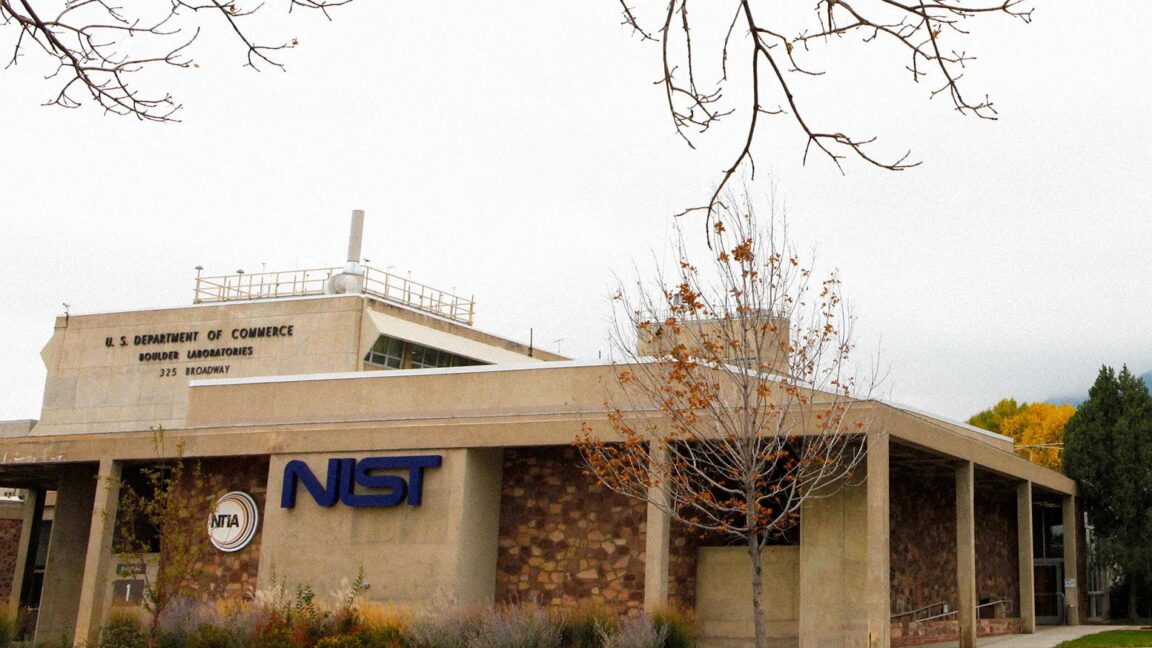
A recent development at a major US government research laboratory has sparked concerns among the scientific community, particularly foreign scientists. The National Institute of Standards and Technology (NIST) has reportedly restricted after-hours access to its facilities for noncitizen scientists. This move has raised questions about the impact on international collaboration and the potential consequences for scientific progress.
The Restriction
The restriction, which came into effect last month, means that non-US citizen scientists working at the NIST lab can no longer access the facility outside of regular working hours. This change has been met with disappointment and concern from the affected scientists, who argue that it will hinder their ability to conduct research and collaborate with their colleagues.
Implications
The implications of this restriction are far-reaching and could have significant consequences for the scientific community. International collaboration is a vital component of scientific research, and restricting access to facilities can hinder the exchange of ideas and expertise. This, in turn, can slow down the pace of scientific progress and innovation.
Technical Insights
- The restriction applies to all non-US citizen scientists working at the NIST lab, regardless of their country of origin or field of research.
- The NIST lab is a world-renowned research facility, and the restriction could impact the quality and diversity of research conducted there.
- International collaboration is essential for advancing scientific knowledge, and restrictions on access to facilities can hinder this collaboration.
- The restriction may also have implications for the US’s reputation as a hub for international scientific research and collaboration.
Conclusion
The restriction on after-hours access to the NIST lab for non-US citizen scientists is a concerning development that could have significant implications for the scientific community. While the reasons behind this decision are not entirely clear, it is essential to consider the potential consequences for international collaboration and scientific progress. As the scientific community continues to evolve and become increasingly global, it is crucial to ensure that restrictions on access to facilities do not hinder the exchange of ideas and expertise.