
Founder Fatigue: The Hidden Toll of Building a Startup
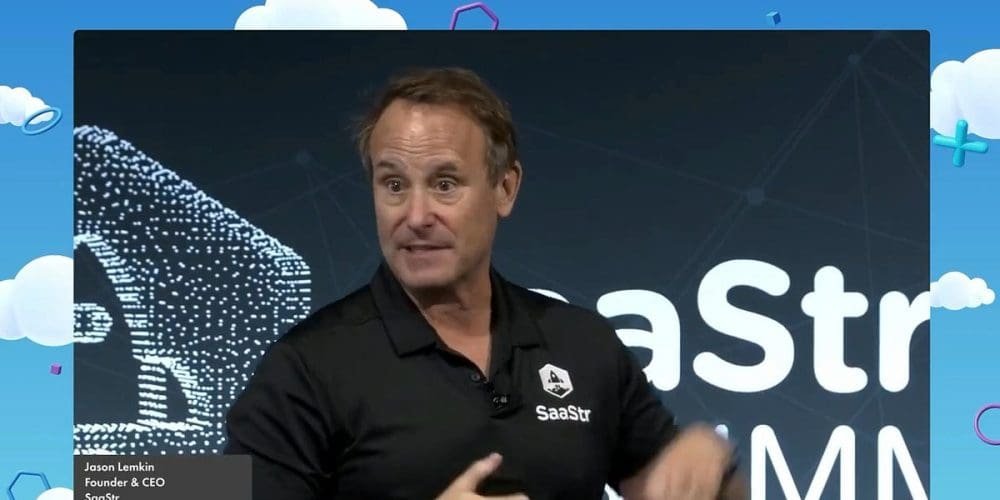
Jason Lemkin, founder of SaaStr AI and a seasoned entrepreneur, recently shared a raw truth: even after selling his startup over a decade ago, he’s still tired. This isn’t just about burnout—it’s a deeper, more persistent condition many founders face long after their companies succeed. If you’re feeling the weight of endless hustle, you’re not alone. Let’s unpack what founder fatigue really means and how to navigate it.
Why Founder Fatigue Lingers Long After Success
Building a startup isn’t just a job—it’s a lifestyle. For Jason, it meant 10 years of relentless work: hosting 14+ global events, writing 4,000+ blog posts, and managing a $100M+ revenue business. Yet, even after these achievements, the mental and emotional toll remains. Why? Because the stress of survival mode rewires your brain. Every near-miss with funding, every customer crisis, and every sleepless night leaves a mark.
The Cumulative Nature of Stress
- Threat Scanning: Your brain stays hyper-vigilant, always on the lookout for the next problem.
- Emotional Debt: Sacrifices—like missing family time—accumulate and resurface later.
- Comparison Traps: Seeing peers thrive can amplify feelings of inadequacy, even after your own success.
Success Doesn’t Flip a Switch
Exit deals, big or small, don’t erase the fatigue. Jason notes that founders who sold for $10M, $500M, or $3B still grapple with exhaustion. The problem isn’t the money—it’s the psychological residue of years of high-stakes decision-making.
Practical Strategies to Cope with Founder Fatigue
Founder fatigue isn’t a sign of failure. It’s a natural response to sustained stress. Here’s how to address it:
1. Acknowledge the Toll
Start by naming your experience. Labeling it as “founder fatigue” helps you seek support and avoid self-blame. As Jason says, “It’s not just tiredness—it’s PTSD from the startup grind.”
2. Build New Routines
Post-exit, replace founder habits with activities that restore energy. Jason runs 5-7 miles daily and builds apps in his spare time. Find hobbies or physical activities that disconnect you from the startup mindset.
3. Seek Community
Connect with other founders who’ve walked the same path. Sharing stories reduces isolation and offers fresh perspectives. Jason’s SaaStr community is a prime example of how peer support can heal.
4. Set Boundaries
Protect your time. If you’re still running a business, delegate tasks and schedule downtime. Founder fatigue thrives in the absence of rest.
Why You Shouldn’t Quit—But Need to Adapt
Many founders consider quitting when growth slows, especially in the AI era. But Jason argues that quitting isn’t the solution—it’s about adapting. Growth plateaus are normal, but they don’t define your journey. Focus on what you can control, like product innovation or customer engagement.
Final Thoughts: Founder Fatigue Isn’t the End
Founder fatigue is a signal, not a sentence. It’s a reminder that you’ve pushed yourself to the limit—and that’s okay. The key is to rebuild your energy with intention. Share your story, lean on your network, and remember: the tiredness doesn’t mean you’ve failed. It means you’ve built something extraordinary.
Call to Action
If you’re a founder still feeling the weight of the journey, reach out to a mentor or join a community like SaaStr. You don’t have to navigate this alone.








