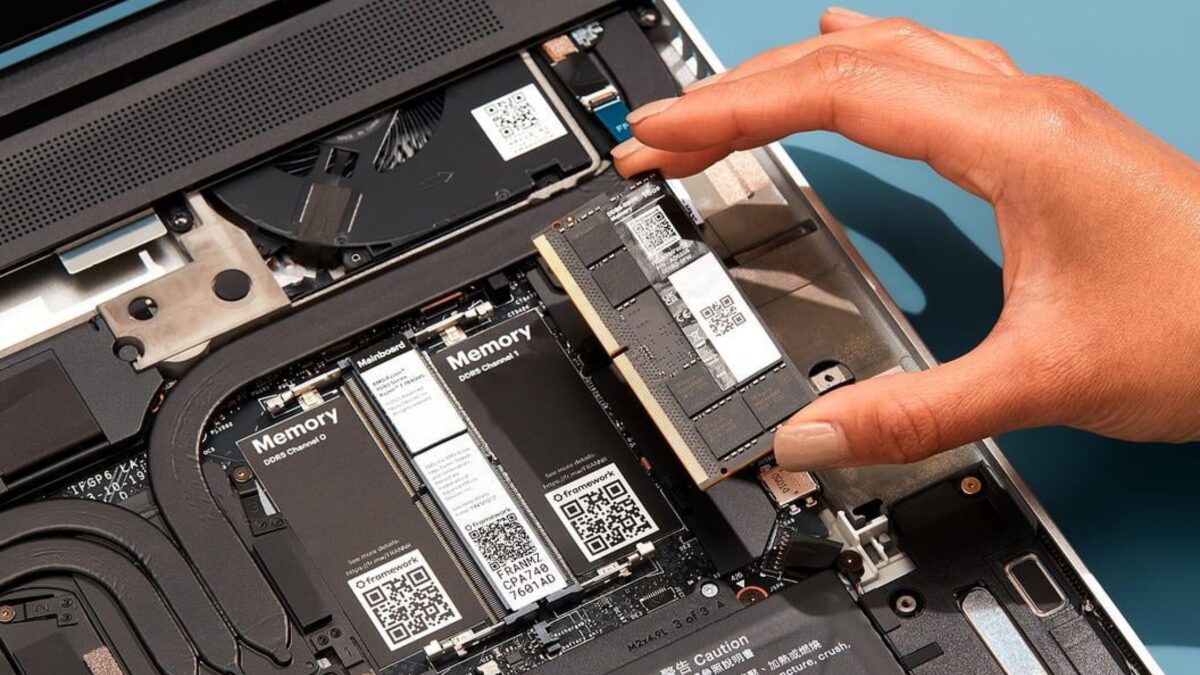
Framework RAM Price Hikes: What You Need to Know
Framework has raised RAM prices for the third time in recent months, signaling more increases ahead for SSDs and CPUs. The DIY-friendly PC brand attributes these hikes to surging demand for memory in AI data centers. But what does this mean for consumers? Let’s break down the situation and explore actionable steps to navigate the shifting landscape.
Why Are Framework RAM Prices Rising?
The primary driver behind Framework’s latest price adjustments is the global surge in demand for high-capacity memory modules. AI data centers, which require vast amounts of RAM and SSD storage, have created a supply bottleneck. Framework explains it’s aligning its pricing with its weighted-average purchase cost, avoiding steep markups. However, with DDR5 modules now priced between $13 and $18 per gigabyte, customers face a steeper cost curve.
Framework isn’t alone in this challenge. Other PC manufacturers are also grappling with component shortages and rising costs. The company warns that Intel processor shortages could further complicate matters, potentially leading to CPU price hikes or configuration changes if supply remains tight.
How to Save on Framework Upgrades
Despite the price increases, Framework offers practical solutions for budget-conscious buyers. In a December blog post, the company advised customers to consider third-party RAM or SSDs from retailers. For example:
- Buy third-party modules: If you find competitive pricing elsewhere, Framework encourages using these parts in DIY Edition laptops.
- Opt for a bare-bones build: Purchase a Framework Laptop DIY Edition without pre-installed memory or storage, then add your own components later.
These strategies can save you hundreds of dollars, especially if you already own compatible parts or can secure deals on marketplaces like Amazon or Newegg.
What’s Next for Framework Pricing?
Framework has committed to lowering prices if component costs decline—a promise it made in December when memory price hikes seemed imminent. However, industry analysts predict sustained high demand for memory modules through 2026. The company’s transparency about its pricing model is commendable, but buyers should prepare for potential further increases.
Final Thoughts and Action Steps
Framework’s price hikes reflect broader industry trends, not just corporate greed. While frustrating, these changes highlight the importance of flexibility in PC building. Here’s what to do:
- Monitor third-party RAM and SSD deals for cost savings.
- Consider a DIY build to avoid premium pricing on pre-configured models.
- Stay informed about supply chain updates from Framework and Intel.
By staying proactive, you can mitigate the impact of these price increases and build a laptop that fits both your needs and your budget.